Could New Emissions Rules Make Some Modern Classics Impossible To Repair Legally?

A Government consultation on vehicle emissions has raised concerns about what the proposed rules could mean for the next generation of classic cars.
Classic car insurance specialist Footman James has now issued a warning that, unless safeguards are built into the legislation, some modern classic owners could eventually find themselves with no practical legal route to repair failed emissions equipment.
The Department for Transport is consulting on tougher rules designed to ensure vehicles continue meeting the emissions standards they were required to comply with when new.
The stated target is poor maintenance, deliberate emissions tampering and modifications such as DPF, catalytic converter, AdBlue and EGR deletes.
Few enthusiasts are likely to argue with tackling deliberate emissions cheating.
But Footman James believes there could be an unintended consequence for responsible owners trying to preserve ageing cars once original emissions components become obsolete or impossible to source.
And that is where things get interesting for the classic car community.
Modern classics are entering slightly awkward territory.
Cars from the late 1990s and early 2000s are now being preserved as classics, yet they were built with increasingly complicated emissions systems.
Catalytic converters, lambda sensors, EGR systems, engine management electronics and, on later vehicles, DPFs and AdBlue systems all rely on parts and software that manufacturers may not support forever.
Footman James argues that this could create a situation where the law requires a particular emissions system to remain functional, but the approved replacement component is no longer available.
That leaves an obvious question.
What is an owner supposed to do when the correct part simply cannot be bought?
A Car Could Be Well Maintained And Still Cause Problems
This is the part that will concern many enthusiasts.
A cherished vehicle could be well looked after, cover very few miles and remain perfectly usable, yet eventually suffer a failure in an emissions-related component that is no longer manufactured.
Footman James warns that using a modified or non-standard solution to keep that car running could potentially put the owner on the wrong side of future rules if that repair changes the emissions-control system from its approved specification.
Sam Smith, Head of Footman James, summed up the concern neatly:
“Classic owners are not the problem this policy is trying to solve.”
The company supports action against deliberate emissions cheating, but wants the Government to recognise the difference between somebody deliberately removing an emissions system and an enthusiast trying to keep an ageing car on the road when original parts have disappeared.
What Is The Government Actually Proposing?
The official consultation proposes updating the rules governing emissions from vehicles already in use.
The Department for Transport says the intention is that road vehicles covered by the legislation should continue meeting the emissions requirements that applied when they were originally built and registered.
The consultation specifically identifies practices such as removing diesel particulate filters, removing catalytic converters, manipulating AdBlue/SCR systems and interfering with diesel EGR systems.
Importantly, the Government also says it is not trying to ban vehicle modifications generally, nor does it intend to insist that every replacement component must necessarily be an original manufacturer part.
The key issue is whether the vehicle continues to meet the emissions standard to which it was originally approved.
That distinction matters.
Which Cars Could Be Affected?
There is an important detail here that is easy to miss.
The current proposal to update Regulation 61A is aimed at road vehicles in Great Britain first used from 1 January 2001.
That means the immediate scope of this particular proposal is not every 1980s or 1990s modern classic.
But the concern becomes increasingly relevant as early-2000s cars move firmly into enthusiast ownership.
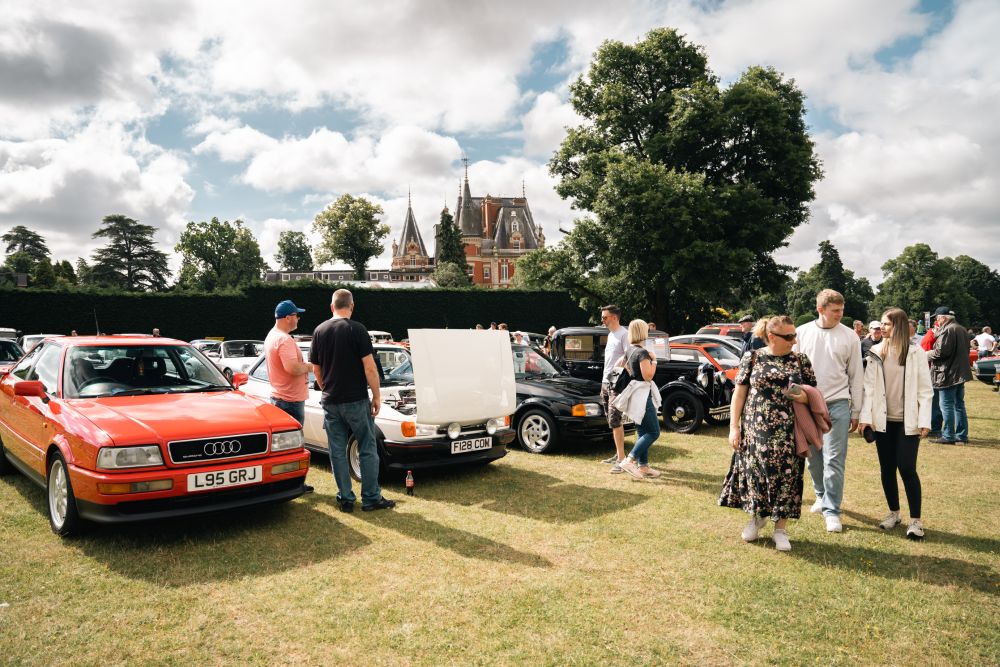
Think about the sort of machinery now beginning to appear at classic shows.
Early BMW MINIs.
Mk1 Ford Focuses.
MG ZRs, ZSs and ZTs.
Early-2000s BMWs and Mercedes.
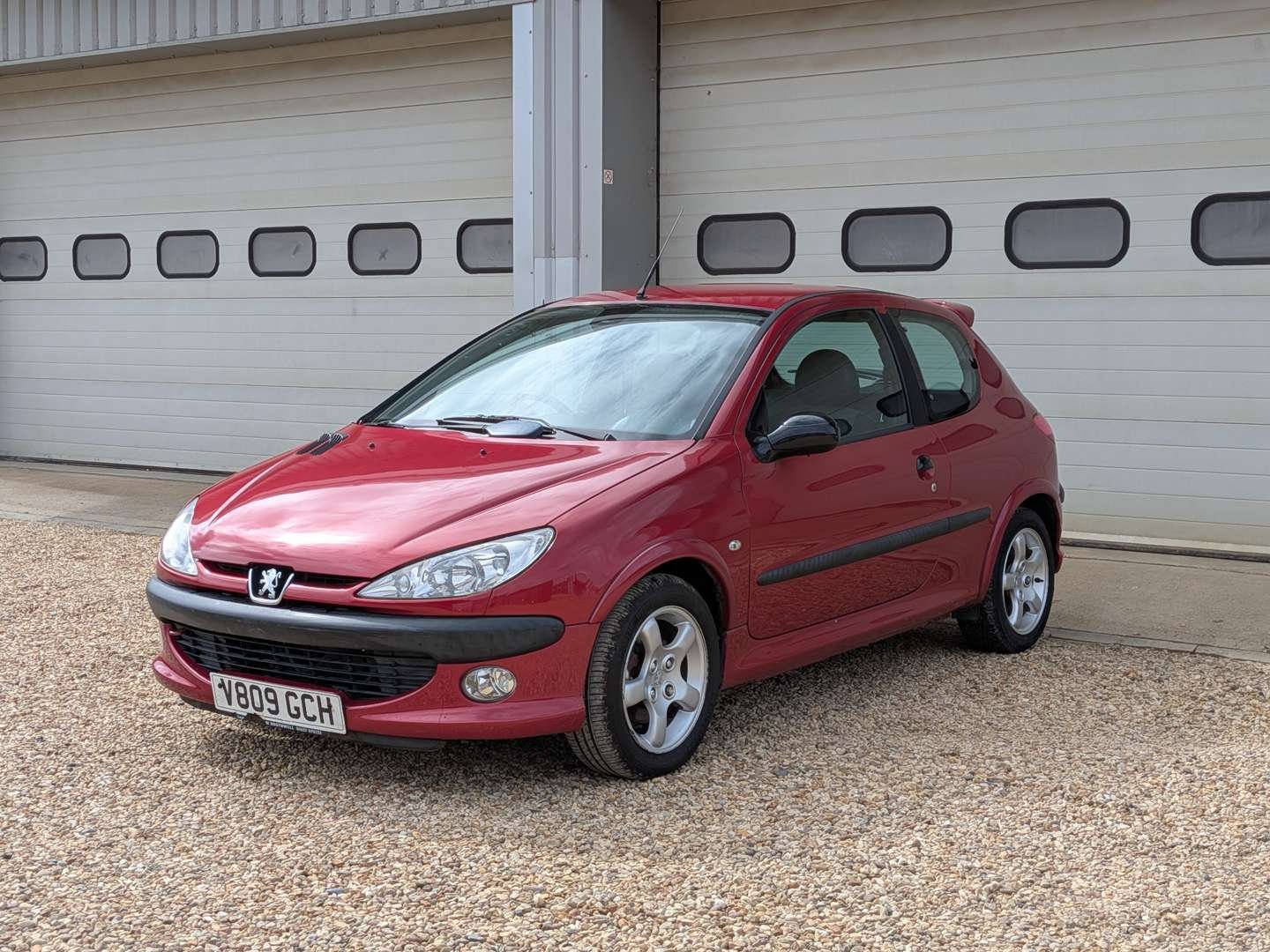
Hot hatches, sports cars and performance diesels that were once everyday transport but are now being saved because enthusiasts remember them fondly.
These are exactly the vehicles likely to encounter ageing electronics and increasingly difficult parts supply over the coming years.
What Happens When The Parts Disappear?
This is where Footman James wants the rules tightened before they become law.
Vehicle manufacturers are not required to keep every component in production indefinitely.
That is nothing new.
Classic vehicle owners have always dealt with discontinued parts, but older cars are usually mechanically simple enough for specialists and the aftermarket to manufacture alternatives.
That becomes much harder when a component is tied into emissions control software, sensors and electronic systems.
An obsolete trim clip is inconvenient.
An obsolete emissions-control module that the law effectively requires the car to retain could be a much bigger problem.
Footman James believes owners should have a clear exemption where they can demonstrate that the vehicle is responsibly maintained but there is no reasonably available compliant method of repairing a failed emissions component.
That seems like an important distinction.
The Government Is Asking About Exemptions
There is some room within the consultation for exactly this sort of argument.
The Department for Transport acknowledges that there may be situations where an owner should not be considered at fault and asks respondents what exemptions should be included in any updated legislation.
Existing examples include faults outside the owner’s control in certain circumstances, driving a vehicle to have an emissions device repaired, vehicles used off-road and vehicles being driven for export.
Crucially, the consultation also asks respondents to suggest “other circumstances” where no offence should be considered to have taken place.
That is why Footman James is encouraging the classic vehicle community to respond now rather than complaining after the rules have already been written.
Footman James is asking enthusiasts, clubs, specialists and restorers to make three broad points when responding.
First, enforcement should concentrate on deliberate emissions defeat rather than responsible preservation.
Second, owners should not be penalised where a compliant repair is impossible, unavailable or wildly disproportionate.
And third, historic and modern classic vehicles should have a clear exemption where required emissions components can no longer reasonably be obtained.
Those seem like fairly measured requests.
Nobody is suggesting that removing a DPF because it is inconvenient should suddenly become acceptable simply because a vehicle is cherished.
The issue is whether the law can distinguish between somebody intentionally defeating an emissions system and somebody faced with an obsolete component for which no viable replacement exists.
Motorcycles Could Also Be Brought Into Scope
There is another element of the consultation that will interest UK Barn Finds readers.
Motorcycles, mopeds, scooters, tricycles and quadricycles have previously sat outside Regulation 61A.
The Government is now proposing that these vehicle categories should potentially be brought within the updated rules too.
Again, that raises questions for future classic motorcycles as increasingly complicated emissions equipment finds its way into older bikes.
It may not be the headline issue today, but it is something motorcycle owners and clubs will want to read carefully.
This Is A Consultation, Not Law
It is worth stressing that none of this has yet become law.
The Government says it currently envisages new legislation being passed in summer 2027, followed by a proposed six-month lead-in period before enforcement begins.
That means there is still an opportunity to influence what the final rules look like.
And that is really the most important point.
It is easy to dismiss Government consultations as something that has little to do with the average enthusiast.
This one could eventually matter.
As modern classics become more electronically complicated, keeping them alive will increasingly depend on sensible regulation that recognises the practical reality of supporting cars decades after their manufacturers have stopped producing parts for them.
Target deliberate emissions cheats, certainly.
But an enthusiast should not be forced to scrap an otherwise usable classic simply because a manufacturer stopped making one particular emissions component years ago.
Have Your Say Before 6 September
The consultation remains open until 11:59pm on 6 September 2026.
Owners can respond directly through the Government consultation page:
https://www.gov.uk/government/consultations/in-use-emissions-of-road-vehicles-regulating-environmental-impacts/regulating-environmental-impact-of-in-use-emissions-of-road-vehicles
If you own a modern classic, work on them professionally or simply want to see today’s ordinary cars survive long enough to become tomorrow’s classics, this is probably one consultation worth reading properly.
Got A Classic Car Or Bike Sitting Unused?
If you’ve got a classic car, motorcycle, modern classic, project or long-stored vehicle sitting in a garage, barn, workshop or outbuilding and you’re thinking about selling it, we’d love to hear from you.
We buy vehicles outright, including non-runners and unfinished projects, and can help arrange collection from across the UK.
You can get in touch using our simple online form here.
No pressure, no obligation and no sales pitch, just a straightforward conversation about what you’ve got.