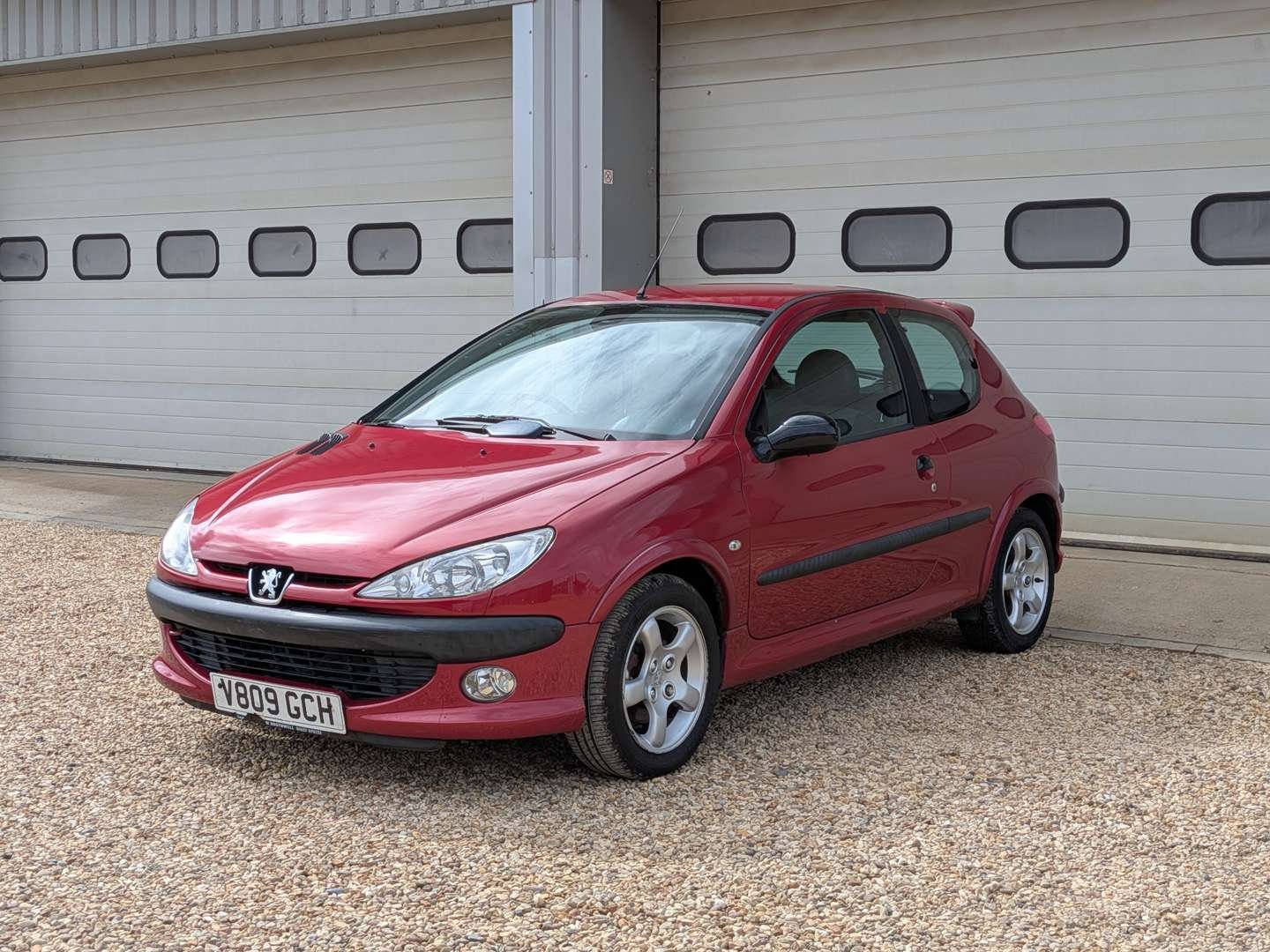
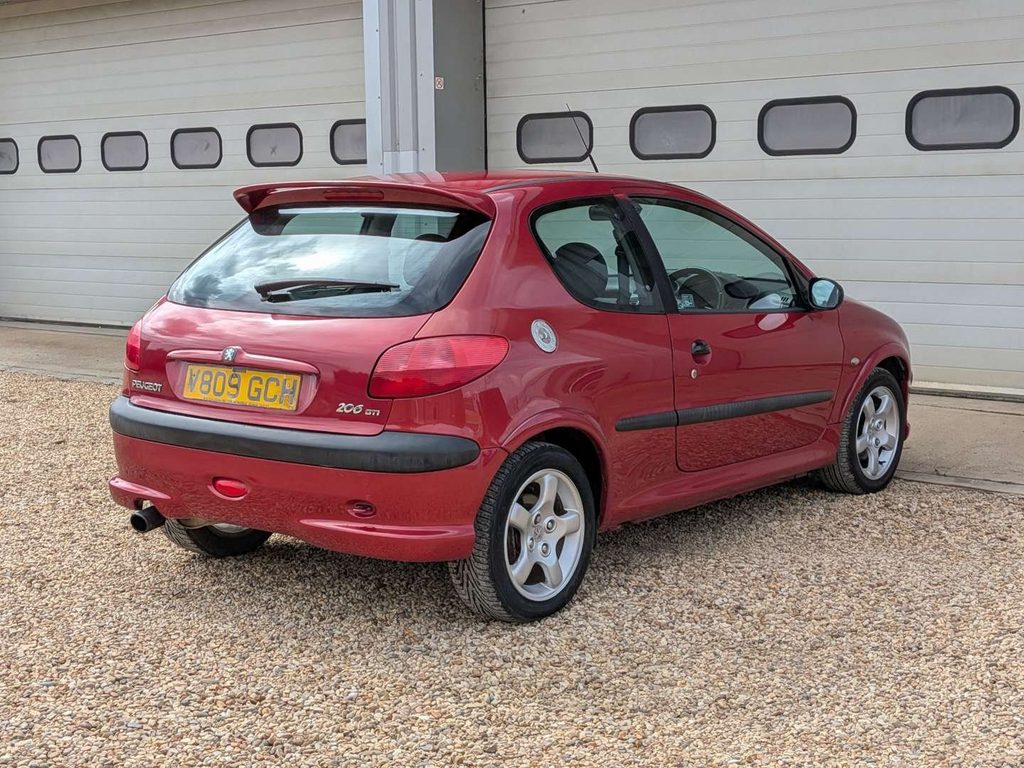
This Peugeot 206 GTI auction result started with a very simple question.
How much do you think this will sell for?
Because this wasn’t an immaculate, low-mileage collector’s car.
It wasn’t the later GTI 180.
And it wasn’t being presented as something you could necessarily jump straight into and drive home.
This was a 1999 Peugeot 206 GTI that had been standing for a while, had no current MoT and would sensibly need some recommissioning before being put properly back into use.
But there was something rather appealing about it.
A relatively early 206 GTI.
A 2.0-litre engine.
Manual gearbox.
82,856 miles showing.
Largely standard specification.
And, perhaps most importantly:
No reserve.
To us, it looked like a cracking little winter project.
An Early Peugeot 206 GTI
This particular car was registered in September 1999, making it a fairly early example of the 206 GTI.
Finished in Rouge Lucifer, it had the familiar dark grey two-tone half-leather interior.
Under the bonnet was Peugeot’s 1,997cc 16-valve petrol engine coupled to a five-speed manual gearbox.
It also retained some nice original features.
Air conditioning.
The original stereo.
And even the CD multichanger in the boot.
Remember those?
For anyone who grew up around cars in the late 1990s and early 2000s, details like that instantly transport you back to a very particular era.
82,856 Miles Showing
The odometer recorded 82,856 miles.
There were six registered keepers from new.
The original service book was still with the car and contained seven service stamps plus a further handwritten entry, taking the recorded servicing to 32,382 miles in 2009.
There was also an MoT history printout.
So this wasn’t a car with an enormous history file stretching from new to the present day.
But equally, it wasn’t completely devoid of background.
There was enough there to give the next owner something to work with.
It Had Been Standing
This is the important bit.
ACA stated that the Peugeot ran, but had been standing for some time.
Recommissioning might therefore be required.
Its most recent MoT had expired in 2024.
Interestingly, that last test had been passed without advisories.
That’s encouraging, but two years standing can change things.
Brakes can stick.
Tyres can deteriorate.
Fluids age.
Batteries die.
Rubber components don’t necessarily appreciate long periods without use.
And that’s before you get underneath and properly inspect a 27-year-old French hot hatch.
So we’d be treating it as a project rather than assuming it simply needed an MoT appointment.
But It Looked Like a Manageable Project
And that’s what appealed to us.
There’s a big difference between a project like this and a restoration.
We spend plenty of time around cars requiring welding, fabrication, complete interiors, seized engines and boxes of unidentified parts.
This didn’t appear to be that sort of proposition.
On the information available, it looked more like something you could bring home, inspect properly and work through methodically.
Service it.
Check the brakes.
Go through the suspension.
Inspect it carefully for corrosion.
Replace anything age-related that needs replacing.
Get it tested.
Then use it.
A gentle recommission over winter and, if there aren’t any nasty surprises, you could potentially be away in the spring.
That’s a very appealing sort of project.
The 206 Had an Impossible Job
It’s easy to forget what the Peugeot 206 was being asked to follow.
The Peugeot 205 had become one of the defining small cars of the 1980s and early 1990s.
And the 205 GTI?
That had become a legend.
By the time the 206 appeared in 1998, Peugeot wasn’t simply replacing an old supermini.
It was replacing a car people loved.
That is never easy.
The 206 Looked Completely Different
Peugeot didn’t attempt to produce a retro 205.
The 206 was curvier.
More modern.
More substantial.
Its large swept-back headlights and rounded body were a complete departure from the crisp little 205.
And it worked.
The 206 became an enormous sales success.
For years they were absolutely everywhere.
Which is partly why seeing an early one now beginning to enter classic-car auctions feels slightly strange.
It doesn’t seem five minutes ago that these were ordinary used cars.
Then Came the GTI
The 206 GTI arrived in 1999.
Its 2.0-litre 16-valve engine produced around 137bhp, driving the front wheels through a five-speed manual gearbox.
Performance was respectable rather than outrageous.
Contemporary figures put 0-60mph in the region of 8.4 seconds, with a top speed around 130mph.
By today’s standards, that’s not particularly dramatic.
But this was a small Peugeot hatchback weighing considerably less than most modern cars.
And it wore three letters carrying an enormous amount of expectation.
GTI.
The Problem Was the 205 GTI
Perhaps the biggest problem facing the 206 GTI was not another manufacturer.
It was Peugeot itself.
People expected another 205 GTI.
A light, raw, wonderfully involving little hot hatch that would instantly become another benchmark.
The 206 was a different car.
More refined.
Heavier.
Safer.
More grown-up.
And inevitably it was judged against one of the most celebrated hot hatches ever made.
That’s a difficult comparison for any car to survive.
The 306 GTI-6 Didn’t Help Either
There was another problem.
Peugeot had also produced the excellent 306 GTI-6.
With its 2.0-litre 16-valve engine, six-speed gearbox and superb chassis, the 306 had already demonstrated that Peugeot still knew exactly how to make an entertaining front-wheel-drive performance car.
So the 206 GTI arrived with expectations coming from both directions.
The 205 GTI behind it.
The 306 GTI-6 above it.
Perhaps it’s unsurprising that the original 206 GTI never quite acquired the same mythical status.
Then the GTI 180 Arrived
Peugeot eventually turned up the wick.
In 2003 came the 206 GTI 180.
As the name suggested, power increased substantially.
The 2.0-litre engine now produced around 180bhp and the car gained a more serious performance character.
Today, the GTI 180 is understandably the version that tends to attract the greatest enthusiast interest.
But that doesn’t make the earlier car irrelevant.
In fact, the ordinary GTI may now be becoming interesting for exactly the opposite reason.
These Were Used as Cars
Early 206 GTIs weren’t treated like precious classics.
Why would they have been?
They were everyday hot hatchbacks.
They went to work.
They sat outside.
They were modified.
They acquired different stereos and wheels.
They got damaged.
They were driven by enthusiastic young owners.
And when values dropped low enough, many became disposable.
That is exactly what happens to performance cars before anybody decides they’re classics.
Finding Standard Cars Gets Harder
That’s one of the things we liked about this example.
The original stereo was still there.
So was the CD multichanger.
The interior looked recognisably as Peugeot intended it.
There wasn’t an enormous exhaust hanging out of the back or a collection of modifications immediately shouting for attention.
That matters more as cars get older.
You can always modify a standard car later.
Putting one back to standard after decades of alterations can be surprisingly difficult.
The Max Power Generation
The 206 arrived at exactly the right time to become part of Britain’s modified-car scene.
Big wheels.
Lowered suspension.
Bodykits.
Aftermarket lights.
Huge stereo installations.
The late 1990s and early 2000s were a very particular moment in car culture.
Peugeot 206s were right in the middle of it.
That history is now becoming nostalgic in its own right.
Ironically, though, it also means an increasingly original GTI can stand out more today than it ever did when these cars were common.
Peugeot Had Rallying Success Too
Then there was motorsport.
The 206 name became enormously visible through the World Rally Championship.
The 206 WRC was spectacularly successful, helping Peugeot win manufacturers’ world titles and putting the little 206 shape in front of millions of motorsport fans.
The road-going GTI wasn’t a 206 WRC with number plates, of course.
But the association mattered.
A silver or red 206 with sporty wheels carried rather more attitude in the early 2000s because everybody knew what the rally cars were doing.
Are 206 GTIs Classics Yet?
That’s the interesting question.
The earliest examples are now 27 years old.
That feels slightly ridiculous to write.
A 1999 car still sounds relatively modern to many of us.
But time doesn’t care what something feels like.
Cars from the turn of the millennium are moving rapidly into enthusiast territory.
Ford Pumas.
Early Audi TTs.
Mk4 Golf GTIs.
Peugeot 206 GTIs.
Renault Clios.
MG ZRs.
Cars that were ordinary used transport not very long ago are beginning to survive in noticeably smaller numbers.
That’s Exactly What Marketplace Classics Is About
Which made this Peugeot a perfect fit for Anglia Car Auctions’ first Marketplace Classics sale.
ACA created the auction for affordable classics, modern classics, projects and cars with future potential.
We’ve already featured several vehicles from that inaugural sale.
A Mercedes SL500.
A one-owner Toyota Corolla.
A Ford Puma.
And now this.
The 206 GTI arguably captures the idea particularly well.
It’s not an expensive established classic.
It’s not immaculate.
It’s not even currently MoT’d.
It’s simply an interesting survivor that someone could buy cheaply and bring back into proper use.
No Reserve Makes Things Interesting
And there was no reserve.
That immediately changes the atmosphere around an auction.
Nobody knows where the safety net is because there isn’t one.
If the bidding stops at £500, the car sells.
If it stops at £1,000, it sells.
If two people decide they desperately want it and keep going, it sells for considerably more.
The market gets to decide.
That’s why no-reserve cars are so interesting to watch.
So What Was It Worth?
That’s exactly what I asked at the beginning of the reel.
What do you think this will sell for?
There was plenty to weigh up.
On the positive side:
An early 1999 GTI.
The 2.0-litre engine.
Manual gearbox.
82,856 miles showing.
Original stereo and CD changer.
Some service history.
And it ran.
Against that:
Six registered keepers.
Limited later service history.
No current MoT.
And it had been standing long enough for ACA to recommend that recommissioning may be required.
So where would you pitch it?
A £1,000 Car?
That’s roughly where our minds went.
Not because we thought it was worthless.
Quite the opposite.
At the right price, this looked like a very tempting little project.
But you’re buying uncertainty.
Until you’ve properly inspected it, serviced it and presented it for an MoT, you don’t know exactly what you’ve got.
That uncertainty has to be reflected in the price.
Watch the 206 GTI Go Under the Hammer
So have a guess.
Would it struggle to £500?
Would somebody see the future-classic potential and take it comfortably into four figures?
Or would two bidders decide they both wanted a winter project?
Remember:
No reserve.
Watch the auction below before reading any further.
£900 Hammer
The hammer came down at:
£900.
That’s it.
Nine hundred pounds for a 1999 Peugeot 206 GTI.
Because ACA’s introductory Marketplace buyer’s premium was subject to a £125 plus VAT minimum, the successful bidder’s total was:
£1,050 including premium.
And we think that’s quite interesting.
Was £1,050 a Good Buy?
Potentially, yes.
But there’s an important word there.
Potentially.
We haven’t inspected the car underneath.
We don’t know what an MoT tester will find after it has been standing.
And we don’t know how extensive the recommissioning will become once someone starts working through it.
Anyone who has bought an old project knows how quickly:
“I’ll just service it and do the brakes”
can become:
“Well, while I’m here…”
That’s half the fun.
Usually.
But the Starting Point Looks Appealing
For £1,050 including premium, the buyer has a complete early 206 GTI that runs.
It has fewer than 83,000 miles showing.
Some history.
Its original stereo.
Its original CD multichanger.
And a specification that makes it interesting enough to preserve.
If the shell proves fundamentally sound and the recommissioning doesn’t uncover anything frightening, that feels like a lot of potential for the money.
The Previous MoT Is Encouraging
Its most recent MoT expired in 2024.
But that test was passed without advisories.
We wouldn’t read too much into that after a period standing.
An MoT is only a snapshot of a car’s condition on the day it was tested.
Nevertheless, we’d rather see a clean previous test than a page full of corrosion advisories immediately before the car disappeared from use.
The sensible approach would still be to inspect everything from scratch.
This Is Exactly the Sort of Project We Like
Not every project needs to arrive on a trailer with half the floor missing.
Sometimes the best projects are the manageable ones.
A car that is basically there.
An engine that runs.
An interior that doesn’t need reconstructing.
Parts availability that isn’t impossible.
And enough jobs to make the process satisfying without committing yourself to a five-year restoration.
This 206 feels like that sort of car.
Spend the Winter Going Through It
If it were ours, we’d resist the temptation to immediately throw it at an MoT.
We’d go through it first.
Fluids and filters.
Timing-belt history.
Brakes.
Tyres.
Suspension.
Rubber hoses.
Cooling system.
Battery and charging system.
Then get it properly underneath and inspect the structure.
Sort the little faults as you find them.
Clean it properly.
Preserve as much originality as possible.
Then take it for a test when you’re confident it’s ready.
That’s a much nicer way to bring a car back into use.
And Then Drive It
Because this isn’t something we’d restore and hide away.
It’s a Peugeot 206 GTI.
Use it.
Take it to a Sunday meet.
Take it to a show.
Drive it on a B-road.
Let people tell you about the one they had 20 years ago.
That’s where an inexpensive emerging classic makes enormous sense.
You can enjoy the thing without being terrified of adding another 500 miles to it.
Will 206 GTI Values Rise?
Probably isn’t the right question.
Some undoubtedly will.
Exceptional original cars and the more desirable GTI 180 already occupy a different position from rough ordinary examples.
But buying a £1,050 project solely because you think it’ll be worth £10,000 one day would be missing the point.
The attraction here is that the entry price is so low.
You don’t need enormous appreciation to justify owning it.
You just need to enjoy it.
Good Cars Will Become Harder to Find
That’s the part we’d be thinking about.
Every year another few disappear.
Another one gets broken for parts.
Another one fails an MoT and isn’t repaired.
Another one gets modified beyond easy return to standard.
Another one simply deteriorates outside.
Eventually the surviving good cars become noticeable.
We’ve seen that pattern with countless previously ordinary cars.
There is no reason to assume the 206 GTI will somehow escape it.
The Peugeot GTI Badge Matters
There’s another reason we’d give this car a chance.
Peugeot has genuine GTI history.
205 GTI.
309 GTI.
306 GTI-6.
206 GTI.
207 GTI.
208 GTI.
Some are more celebrated than others.
But the badge connects this 1999 car to a long line of sporting Peugeots.
Interestingly, Peugeot itself has recently been celebrating more than 40 years of its GTI history.
Perhaps the 206 is finally old enough to be looked at as part of that story rather than simply the car that wasn’t quite a 205.
£900 Doesn’t Buy Much Anymore
That’s ultimately what keeps bringing us back to the result.
Nine hundred pounds hammer.
£1,050 with the Marketplace minimum buyer’s premium included.
Yes, it needs recommissioning.
Yes, there’s no current MoT.
Yes, you need to inspect it properly before deciding how much of a bargain it really was.
But it’s still a 2.0-litre manual GTI from 1999 for barely four figures.
There aren’t many interesting cars left at that price.
A Gentle Winter Project
That’s exactly how we’d approach it.
Don’t tear it apart unnecessarily.
Don’t immediately start modifying it.
Don’t turn a manageable project into a nut-and-bolt restoration it never needed.
Work through the mechanical jobs.
Inspect the body properly.
Preserve what’s original.
Get it reliable.
Get it tested.
Then enjoy it.
A gentle recommission over winter and, all being well, you’re away in spring.
That sounds like a pretty good way to spend a few cold weekends to us.
So Was £1,050 a Bargain?
We’ll reserve judgement until we know what it needs.
That’s the sensible answer.
But did somebody buy an interesting, increasingly uncommon hot hatch project for not very much money?
We’d say so.
And perhaps that’s the real appeal of ACA’s Marketplace Classics sale.
Not everything has to be immaculate.
Not everything has to be worth £20,000.
Sometimes the most tempting car in the auction is the slightly forgotten one that needs a bit of work.
This Peugeot 206 GTI hammered at £900.
Now it needs somebody to give it a gentle recommission and put it back on the road.
We hope that’s exactly what happens.
Join our newsletter
Get the best barn finds, projects and classic temptations direct to your inbox.
Related Posts
Discover More Classic Car Stories
Stay updated with the latest barn finds, auction news, and classic car adventures in our 'News & Waffle' section. Dive into rare discoveries, behind-the-scenes stories, and expert insights into the world of classic cars. Whether you’re a seasoned enthusiast or simply intrigued by the tales behind these treasures, this is your hub for all things classic and captivating.
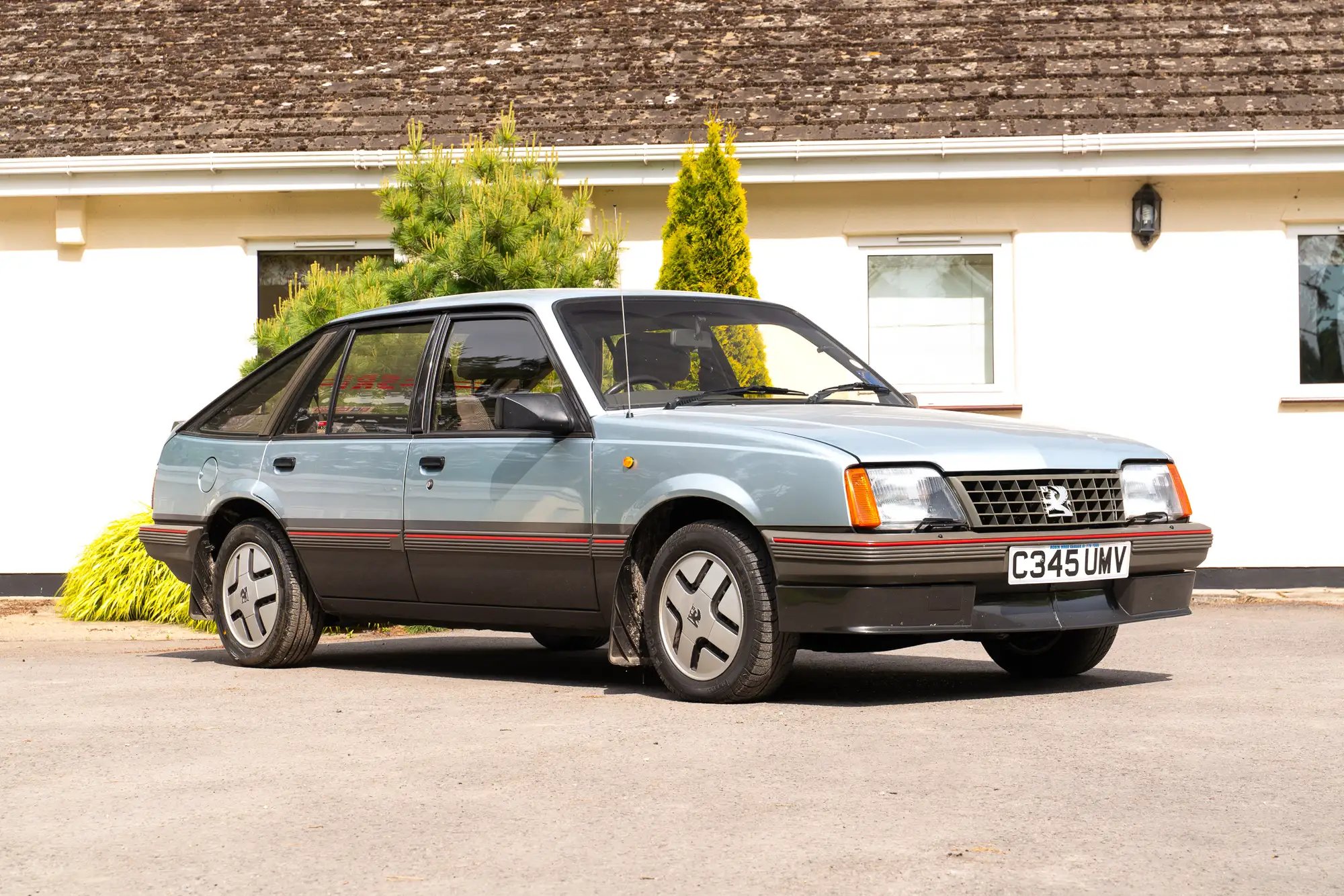
There’s something about a well-preserved 1980s Vauxhall that really takes us back. And this 1986 Cavalier SRi, finished in its original Astral Silver and Anthracite two-tone paintwork, was a particularly appealing example. Just 48,304 miles showing, three previous owners, original dealer details and the distinctive appearance that made the SRi one of Vauxhall’s most recognisable [&...
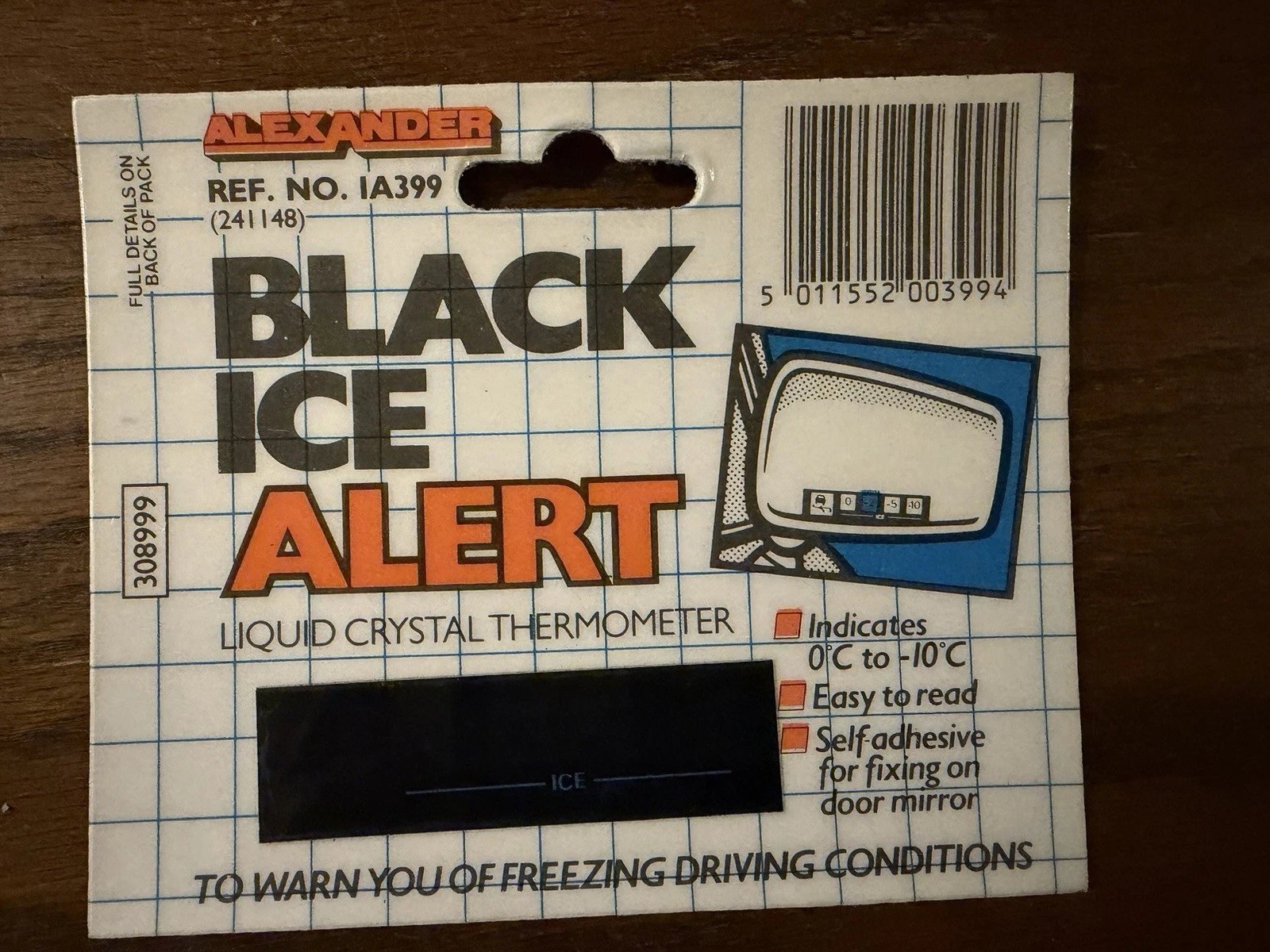
There was a time when a trip to the local motor spares shop could result in coming home with something you never knew you needed. Perhaps it was a new gear knob. A pair of auxiliary mirrors. One of those little bottles of Feu Orange air freshener. Or a gadget that promised to make driving [&...
We’ve watched thousands of cars go through auction halls over the years, but every now and then something arrives that really catches our attention. This 1993 Ford P100 was one of them. Not because it was particularly rare or expensive. But because of the extraordinary noise it made as it drove through Anglia Car Auctions. [&...