There was a time when the arrival of autumn meant something rather special for classic car enthusiasts. As the evenings drew in and the roads became wetter, attention turned from driving old cars to working on them.
Garages filled with the smell of penetrating oil, boxes of carefully labelled parts appeared on workbenches, and ambitious plans were made for the following spring.
Some projects involved little more than a service, a thorough clean and a few jobs that had been put off all summer. Others began with the removal of an engine, an interior or, occasionally, most of the car.
And, of course, there were the projects that were supposed to take one winter but somehow lasted ten years.
But does the traditional winter project still exist?
Judging by the cars appearing at classic vehicle auctions this November, there are certainly plenty of opportunities to start one.
We’ve selected nine very different vehicles from forthcoming sales at Anglia Car Auctions, Morris Leslie and Iconic Auctioneers. They range from familiar British classics to rare Italian machinery, and from apparently straightforward recommissioning candidates to projects that could demand considerable time, money and expertise.
They also raise a question worth considering: what actually makes a worthwhile project?
Every Project Matters
Perhaps the most important thing to remember is that there is no single correct way to enjoy restoring or recommissioning a classic vehicle.
For one enthusiast, the ultimate achievement might be rebuilding a car from a bare shell, carrying out the welding, mechanical work, paint preparation and final assembly themselves.
For another, it might be rescuing a car that hasn’t moved for twenty years, carefully checking its mechanical condition, replacing perished components and getting it running again.
And for somebody else, a winter project might simply mean cleaning an engine bay, sorting an electrical fault, replacing worn suspension bushes or giving a cherished classic the attention it deserves.
All of those activities matter.
Not everybody has a large workshop, a vehicle lift, specialist equipment or the money to undertake a major restoration. Nor should they need those things to feel part of the classic vehicle hobby.
Sometimes, the most satisfying moment is hearing an engine start for the first time in decades. Sometimes it’s getting a stubborn bolt to move. And sometimes it’s driving a car out of the garage on a bright spring morning, knowing that you’ve spent the winter making it better.
Every classic that survives, and every enthusiast who helps keep one going, contributes something worthwhile.
Nine Winter Projects Going Under the Hammer
Three auction houses have provided us with a fascinating collection of possible projects this November.
Anglia Car Auctions holds its classic sale at King’s Lynn on 7–8 November 2026. The following weekend, Morris Leslie stages its sale at Errol in Scotland on 14 November, while Iconic Auctioneers and Classic Car Auctions bring their sales to the NEC Classic Motor Show on 14–15 November.
These aren’t necessarily the nine easiest projects or the nine cheapest cars. They’re nine examples of the very different challenges, decisions and rewards involved in bringing an old vehicle back to life.
Anglia Car Auctions: Three Familiar Favourites
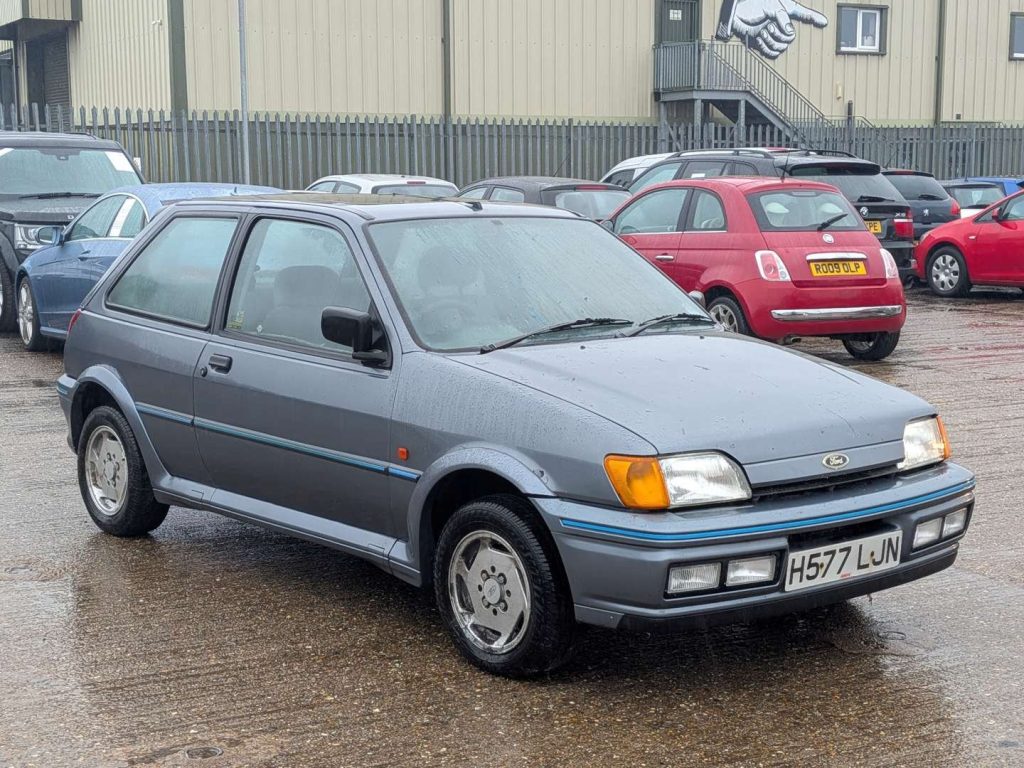
1990 Ford Fiesta XR2i – A Hot Hatch Waiting to Wake Up
For anyone who remembers the hot hatch era, a Ford Fiesta XR2i is bound to stir a few memories.
This 1990 example has reportedly been stored for around 18 years and is being offered without reserve.
Its odometer shows 101,357 miles, but the more immediate concern is its mechanical condition. The car is described as non-running, with seized front wheels and a bonnet that couldn’t be opened because the release cable had seized.
Those details make it an interesting example of why a long-stored car needs careful assessment.
Before anybody thinks about taking it for a drive, there could be substantial work to do on the brakes, fuel system, tyres, cooling system and other components affected by years of inactivity.
Even opening the bonnet might be the first challenge.
Nevertheless, for an enthusiast who remembers these cars when they were everyday transport, bringing an XR2i back into use could be enormously satisfying.
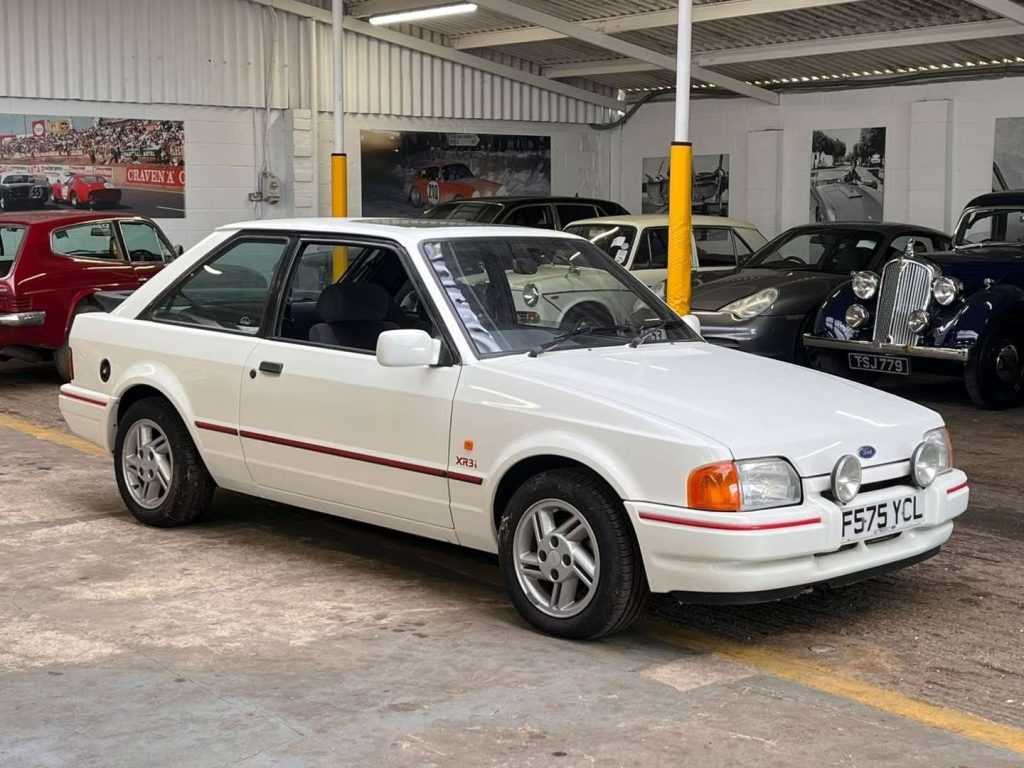
1988 Ford Escort XR3i – One Owner and Decades in Storage
The second Ford presents a rather different proposition.
This 1988 Escort XR3i has reportedly had just one owner from new, with 63,119 miles showing, and has been stored for approximately 26 years.
According to the auction information, the engine turns, and the car retains a substantial amount of its original history and features.
There is something particularly appealing about a car that has spent most of its life with one owner.
The challenge here might not be deciding how extensively to restore it, but deciding how much of its original character can be preserved.
A sympathetic recommissioning could potentially retain details that would be difficult to reproduce once lost.
Of course, decades in storage can conceal problems, even when a car appears complete and presentable. But for somebody with a soft spot for 1980s Fords, this XR3i offers a compelling connection to an era when cars like this were everywhere.
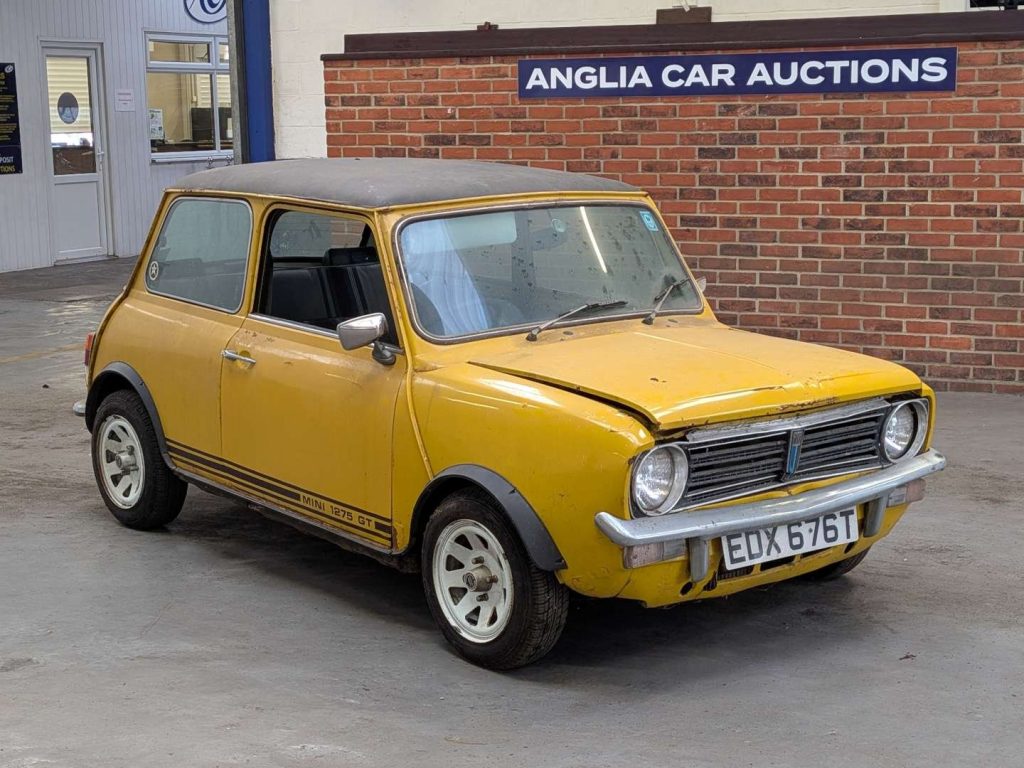
1979 Leyland Mini 1275 GT – An Unfinished Comeback
Few classics have a stronger following than the Mini, and the 1275 GT has a character all of its own.
This yellow 1979 example has reportedly been off the road since the 1990s, following a minor accident that occurred shortly after an engine rebuild.
With 61,337 miles showing, period paperwork and an apparently complete vehicle, it offers the sort of opportunity that has attracted home restorers for generations.
There are questions to answer, naturally. The extent of any old accident damage, the condition of the body structure and the state of the mechanical components would all need proper investigation.
But the Mini also demonstrates one of the great advantages of choosing a well-supported British classic: the availability of replacement parts, specialist knowledge and enthusiastic owners willing to share their experiences.
The Morris Leslie sale at Errol on 14 November brings together three projects that couldn’t be much more different.
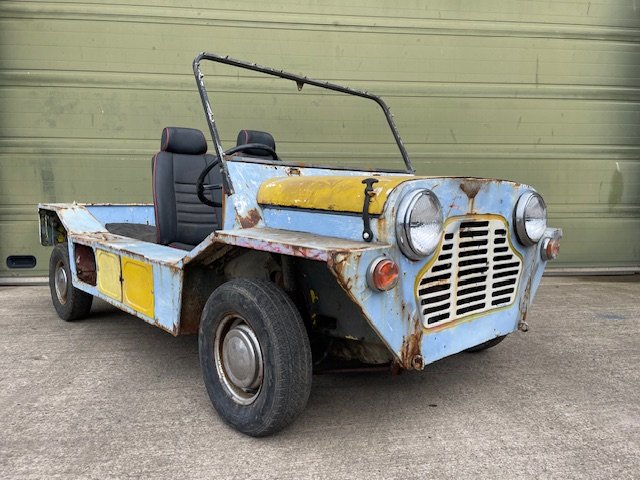
1966 Morris Mini Moke – Preserving Something Unusual
A Mini Moke is never going to disappear into the background.
Originally conceived as a lightweight utility vehicle, its simple construction and unmistakable appearance have helped make it one of the most distinctive members of the Mini family.
This early 1966 example is described as a recently discovered non-runner, with an estimate of £6,000–£6,750.
Its weathered appearance raises an interesting question: should a vehicle like this be restored to pristine condition, or could some of its existing character be retained?
The answer will depend partly on its condition and partly on the wishes of its next owner.
With early Mokes, originality and the availability of correct components deserve particular attention. What might look like a straightforward small vehicle can still present a considerable restoration challenge.
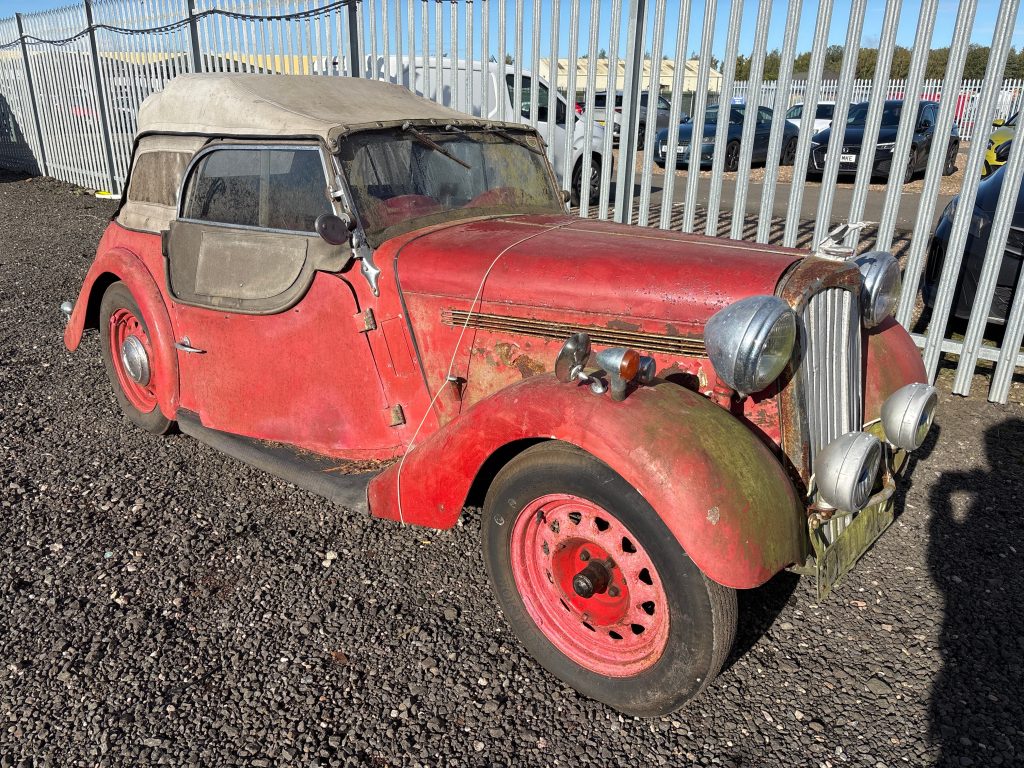
1939 Singer Nine Roadster – A Traditional Restoration
For enthusiasts who enjoy older engineering, the appeal of a pre-war car is difficult to explain until you’ve worked on one.
This 1939 Singer Nine Roadster is offered without reserve from a deceased estate, accompanied by a small history file and V5.
Unlike a relatively modern hatchback, a car of this age can require a different approach to mechanical work, sourcing components and understanding how its various systems were originally intended to operate.
That can be part of the enjoyment.
Owners’ clubs, marque specialists, traditional engineering firms and other enthusiasts can become invaluable sources of information.
And the eventual reward is more than simply getting an old car running. It’s the opportunity to experience a very different chapter of motoring history.
Some projects demand a particularly determined owner.
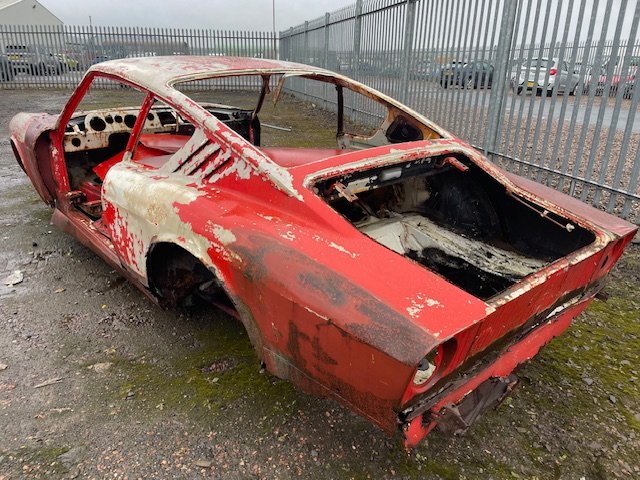
The OSI Ford 20M TS is one of those cars.
Combining Ford mechanical components with Italian coachwork, it is a rare and unusual machine that would attract attention almost anywhere.
This 1967 example is offered without reserve as a non-runner, without keys and without UK registration. The auction describes it as suitable for complete restoration or potentially as a source of spares.
That makes it a very different proposition from a more familiar British classic.
Finding missing trim, body panels, glass or other model-specific components could require patience, specialist contacts and a willingness to search well beyond the usual suppliers.
The absence of registration paperwork also deserves investigation before bidding.
Yet this is precisely the sort of car that can inspire enthusiasts to take on a challenge that others might consider too difficult.
A rare vehicle surviving for another generation is a worthwhile outcome, even if achieving it takes years.
Iconic Auctioneers: From a British Favourite to Italian Grand Touring
Our final three selections come from the Iconic Auctioneers and Classic Car Auctions sales at the NEC Classic Motor Show on 14–15 November.
They demonstrate that a winter project doesn’t necessarily have to look like a conventional restoration candidate.
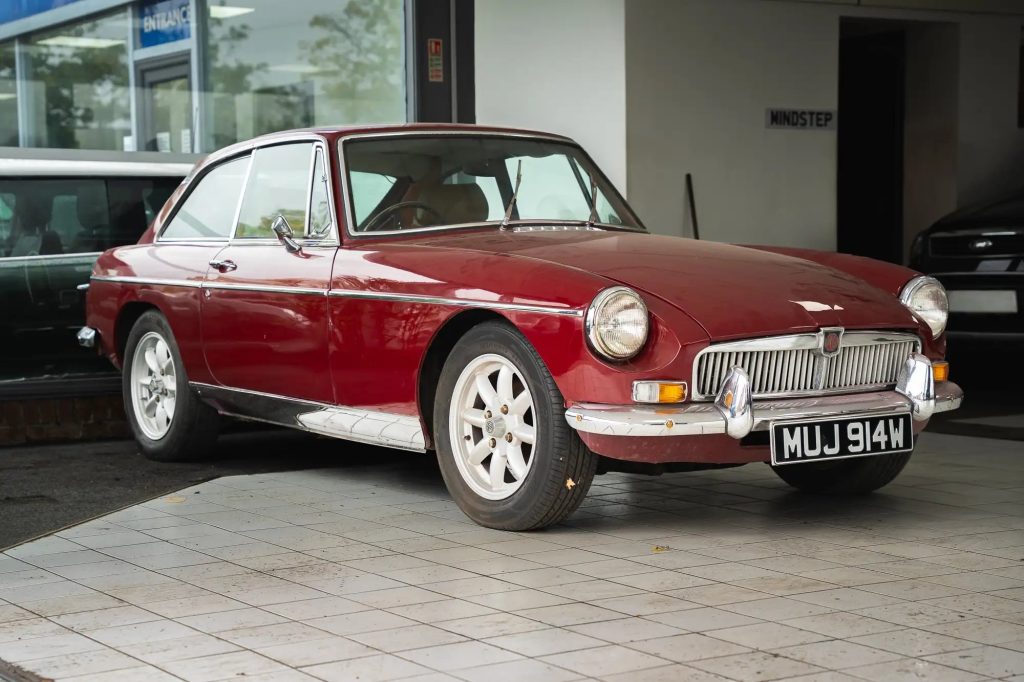
1981 MGB GT – A Manageable Winter Project?
Of all nine cars in our selection, this Carmine Red MGB GT is perhaps the easiest to imagine somebody enjoying over a series of winter weekends.
Built in 1980 and first registered on 1 May 1981, it has the familiar 1,798cc B-series engine, twin SU carburettors and a four-speed manual gearbox.
Its odometer currently shows 90,698 miles, and the auction house believes it has been off the road since 2024.
Offered without reserve and estimated at £4,000–£6,000, it is described as requiring some light recommissioning.
The MGB benefits from an extensive network of parts suppliers, clubs and specialists. Mechanical information is readily available, and the cars are familiar to generations of home mechanics.
That doesn’t mean every MGB is an easy project. Structural corrosion and previous repairs can turn a seemingly modest job into something far more involved.
But a sound example requiring routine mechanical attention could be a very rewarding way to spend the winter.
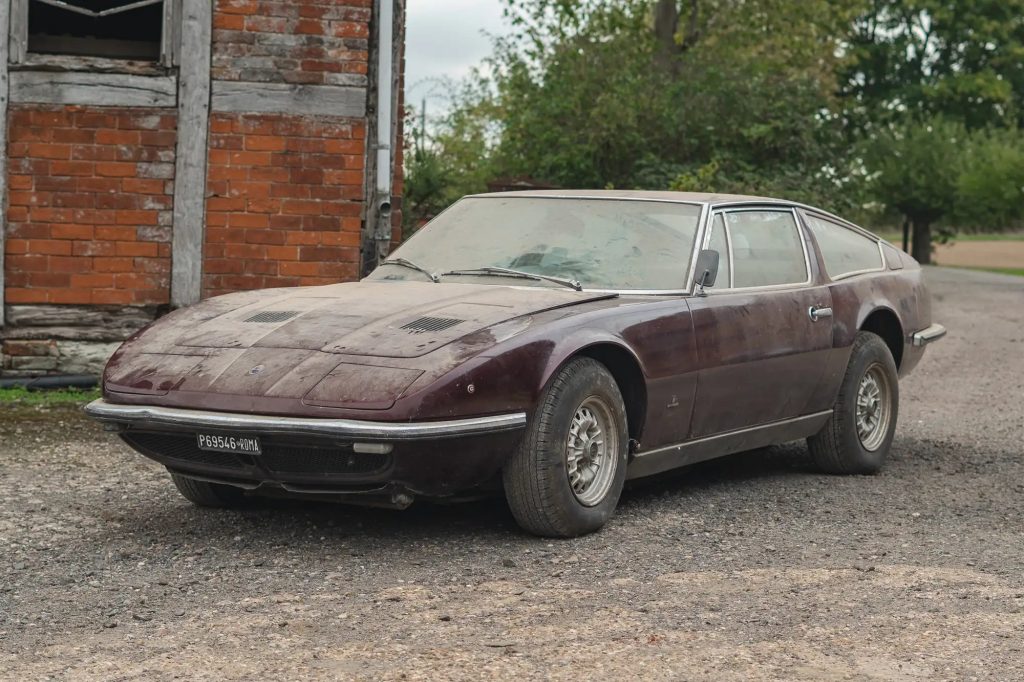
1971 Maserati Indy 4700 – When Originality Matters Most
At the opposite end of the scale sits this remarkable Maserati Indy.
Dating from 1971, the Vignale-bodied grand tourer is powered by a 4.7-litre V8 with a five-speed manual gearbox.
The auction catalogue describes it as a matching-numbers example retaining its original paintwork and interior, with just 19,789km indicated.
Its history is particularly fascinating.
First registered in Italy in 1972, the car reportedly spent much of its life in dry storage before being imported to Britain in 2010. A recommissioning was planned, but other projects took priority and the Maserati remained untouched for another 16 years.
It finally emerged from storage in September 2026.
The engine has been turned by hand, but the car has not been started. Careful inspection and recommissioning will therefore be essential.
Estimated at £30,000–£40,000, this is not a casual weekend project.
However, it illustrates something important about restoration philosophy.
With a car retaining so much original material, a sympathetic approach may be far more appropriate than stripping everything away in pursuit of a showroom finish.
Even the small discoveries matter. The catalogue mentions a vintage bottle of green Playboy aftershave found in the glovebox — a wonderfully evocative reminder of the car’s past.
Sometimes, preservation tells a story that restoration cannot.
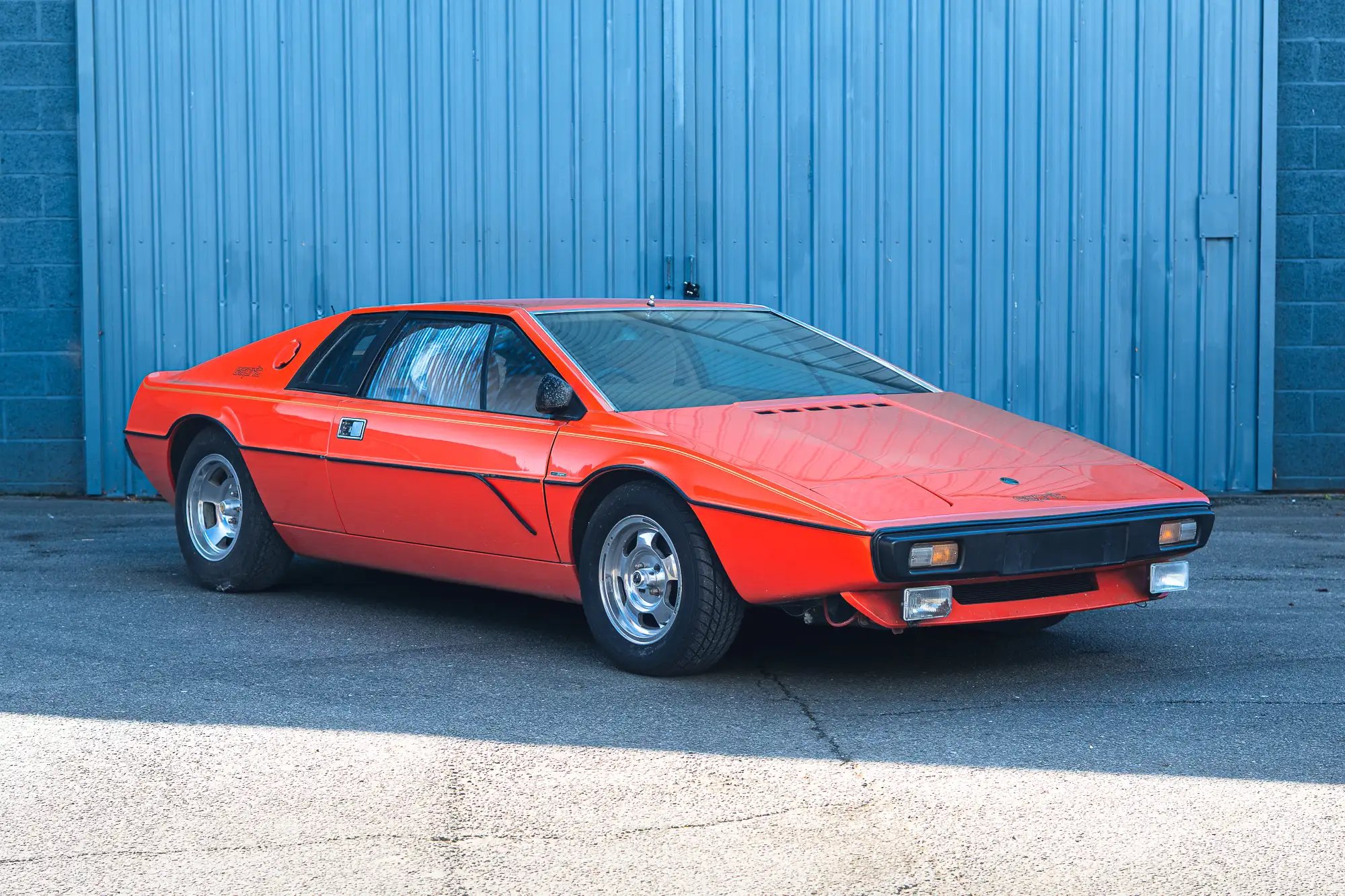
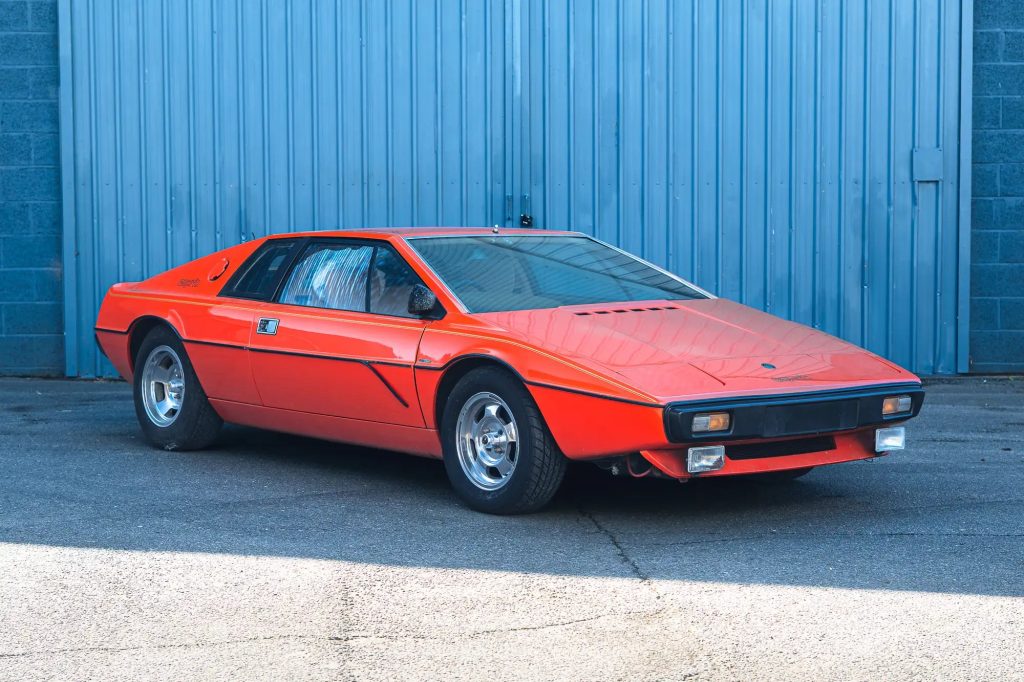
1976 Lotus Esprit Series 1 – A Garage Find with a Story
This 1976 Lotus Esprit Series 1 is one of nine potential winter projects appearing at classic vehicle auctions in November 2026. Photo: Iconic Auctioneers.
Our final selection is another car with a compelling history.
This 1976 Lotus Esprit Series 1, finished in Signal Red, has covered an indicated 25,894 miles and retains its Brown and Oatmeal Marcasite cloth interior.
Powered by the 1,973cc Lotus Type 907 engine, the early Esprit is one of the most recognisable British sports cars of the 1970s, thanks in no small part to Giorgetto Giugiaro’s extraordinary wedge-shaped design.
According to the auction house, the car belonged for many years to a Warwickshire enthusiast who intended to return it to the road.
Unfortunately, time passed, and the Lotus remained in storage.
The current owner subsequently acquired it from the family, bringing this long-hidden car back into public view.
Its last MOT was issued in 2005, and although the engine turns, the car will require careful recommissioning.
Estimated at £25,000–£30,000, it is another project requiring appropriate expertise and resources.
But there is something deeply appealing about the possibility of a car that has spent so long waiting finally being driven again.
Ask somebody who has restored an old car what they enjoyed most, and the answer might surprise you.
Yes, there is enormous satisfaction in completing the mechanical work, repairing bodywork or finally getting the engine running.
But for many enthusiasts, hunting down the parts is every bit as enjoyable.
A missing dashboard switch might turn up at an autojumble. A difficult-to-find piece of trim could be discovered in somebody’s garage. A set of original wheels might appear on eBay, while an obscure mechanical component could be located through a Facebook group or owners’ club.
Sometimes, the search takes longer than the repair itself.
And sometimes the person selling the part has a story of their own.
This is one of the less celebrated but most important aspects of the classic vehicle hobby.
Every time an enthusiast buys an old component, they help demonstrate that such parts still have value.
That encourages other people to keep useful items rather than throw them away.
A garage full of old spares might look like clutter to somebody with no interest in classic vehicles. To the right enthusiast, it could contain the final piece needed to finish a restoration.
The hobby depends on this enormous informal network of buyers, sellers, specialists, clubs and collectors.
It’s a community built not just around complete vehicles, but around all the little things that make keeping them alive possible.
Choosing the Right Winter Project
The most important decision often comes before the first spanner is picked up.
It’s choosing a vehicle that suits your circumstances.
A car that needs a service, brake overhaul and some attention to its interior is a very different proposition from one requiring extensive welding, a replacement engine and parts that haven’t been manufactured for decades.
Neither is inherently a better project.
But it’s worth being realistic about the time, space, skills and money available.
A few things deserve particular thought.
Start with the structure. Rust can be far more expensive and time-consuming to repair than many mechanical faults. Inspect floors, sills, chassis members, suspension mounting points and areas where previous repairs may conceal problems.
Check what is missing. A complete car can be a far better starting point than a cheaper example with rare components removed. On unusual vehicles, a single missing piece of trim or glass can become a major obstacle.
Understand the paperwork. Registration documents, identification numbers, ownership history and import records should be checked carefully. A project without the correct documentation may present difficulties long before it is ready for the road.
Budget for the unexpected. A car that has stood for years may need tyres, brakes, hoses, seals, fuel-system work and numerous smaller items. Costs can mount up surprisingly quickly.
Be realistic about storage. A dry, secure place to work makes an enormous difference. An unfinished car left outside can deteriorate faster than it is being restored.
Don’t rush the first start. A long-dormant engine deserves careful checks before anyone attempts to fire it up. Old fuel, deteriorated hoses, inadequate lubrication and seized components can all create problems.
And perhaps most importantly, choose something you actually like.
There is little point taking on a major restoration simply because a vehicle appears cheap if you have no real enthusiasm for the finished car.
The enjoyment of the journey matters just as much as the destination.
What Happened to the Traditional Winter Project?
Classic vehicle ownership has changed considerably over the decades.
Cars that were once inexpensive old bangers have become sought-after classics. Parts and materials cost more, and fewer people have access to the sort of workshop space that previous generations sometimes took for granted.
Modern life can also make it difficult to find uninterrupted time for a major restoration.
Yet the enthusiasm hasn’t disappeared.
It can be seen in the growing interest in long-stored vehicles, the popularity of restoration videos, the continuing strength of owners’ clubs and the remarkable efforts people make to keep old machinery on the road.
And perhaps the definition of a winter project has simply become broader.
It might be a full restoration, recommissioning a garage find, or simply sorting out a handful of jobs on a car that’s already in regular use.
The important thing is that somebody is doing something to preserve, improve or enjoy an old vehicle.
Roll on Spring
Of the nine vehicles we’ve selected, some could potentially return to the road with relatively modest work. Others may require extensive restoration, specialist assistance and a great deal of patience.
Their auction estimates and eventual selling prices will be only part of the story.
The real question is what happens next.
Will the Fiesta XR2i finally return to the road? Could the Escort XR3i retain its wonderfully original character? Will somebody take on the challenge of saving the rare OSI Ford?
And might the Maserati Indy or Lotus Esprit finally enjoy the use their previous owners had hoped for?
We hope so.
Because whether a project takes a weekend, a winter or a decade, there is something special about seeing another old vehicle given a future.
Every project matters.
And if you’ve got something tucked away in the garage waiting for attention this winter, perhaps now is the time to make a start.
What are you working on this winter? We’d love to hear about your project, however big or small.
Join our newsletter
Get the best barn finds, projects and classic temptations direct to your inbox.
Related Posts
Discover More Classic Car Stories
Stay updated with the latest barn finds, auction news, and classic car adventures in our 'News & Waffle' section. Dive into rare discoveries, behind-the-scenes stories, and expert insights into the world of classic cars. Whether you’re a seasoned enthusiast or simply intrigued by the tales behind these treasures, this is your hub for all things classic and captivating.
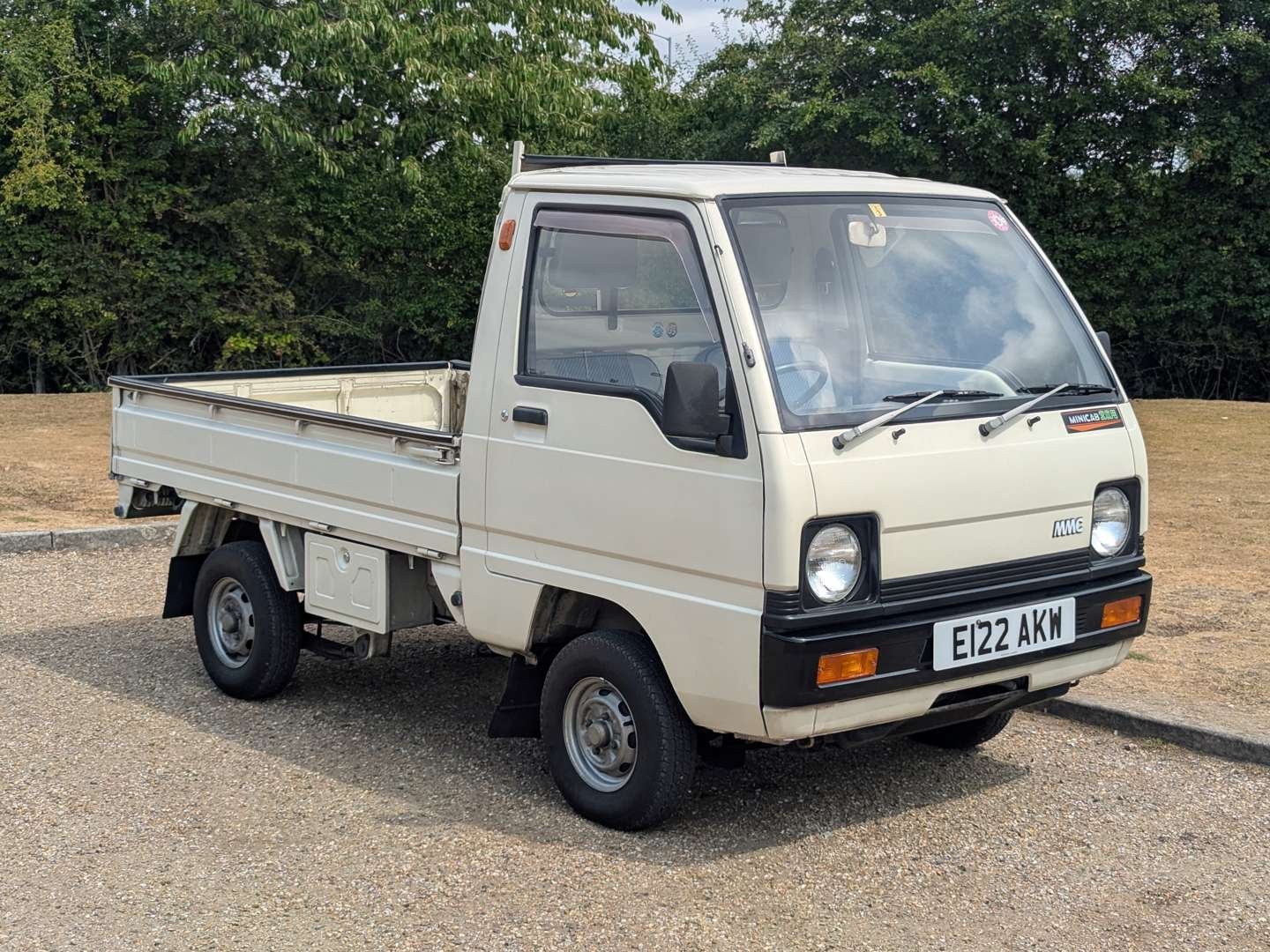
There’s something irresistible about a tiny Japanese pick-up. Perhaps it’s the wonderfully compact proportions, the cheerful styling or the idea of owning something that looks like a proper working truck but takes up barely more space than a small car. Whatever the attraction, we’ve always had a soft spot for these little ...
A family-run garage in North Wales has celebrated 50 years with Mitsubishi Motors, marking a remarkable partnership that stretches back almost to the beginning of the Japanese manufacturer’s history in Britain. Smithy Garage, based in Dyffryn Ardudwy, Gwynedd, within Eryri (Snowdonia) National Park, has received a special award from Mitsubishi Motors in the UK to [&...
There’s something wonderfully nostalgic about a Mk1 Ford Escort van. Once a familiar sight outside shops, garages and small businesses throughout Britain, these modest commercial vehicles worked for their living, often covering thousands of miles carrying tools, parcels and everything else their owners needed to transport. Unlike the sporting Escorts that would go on ...