This Vauxhall Viva Estate auction result is a great example of why the fall of the hammer isn’t necessarily the end of the story at a classic car auction.
The 1973 Viva Estate went under the hammer at Anglia Car Auctions with an estimate of £4,500 to £5,500.
Bidding didn’t reach that level.
Instead, the auctioneer took the highest bid provisionally.
If you’ve ever watched an auction and wondered exactly what that means, this little Vauxhall provides a rather good demonstration.
Because what happened next ultimately resulted in a sale.
A 1973 Vauxhall Viva Estate
Estate versions of ordinary family cars have a habit of disappearing rather more quickly than their saloon counterparts, making this Viva an interesting survivor in its own right.
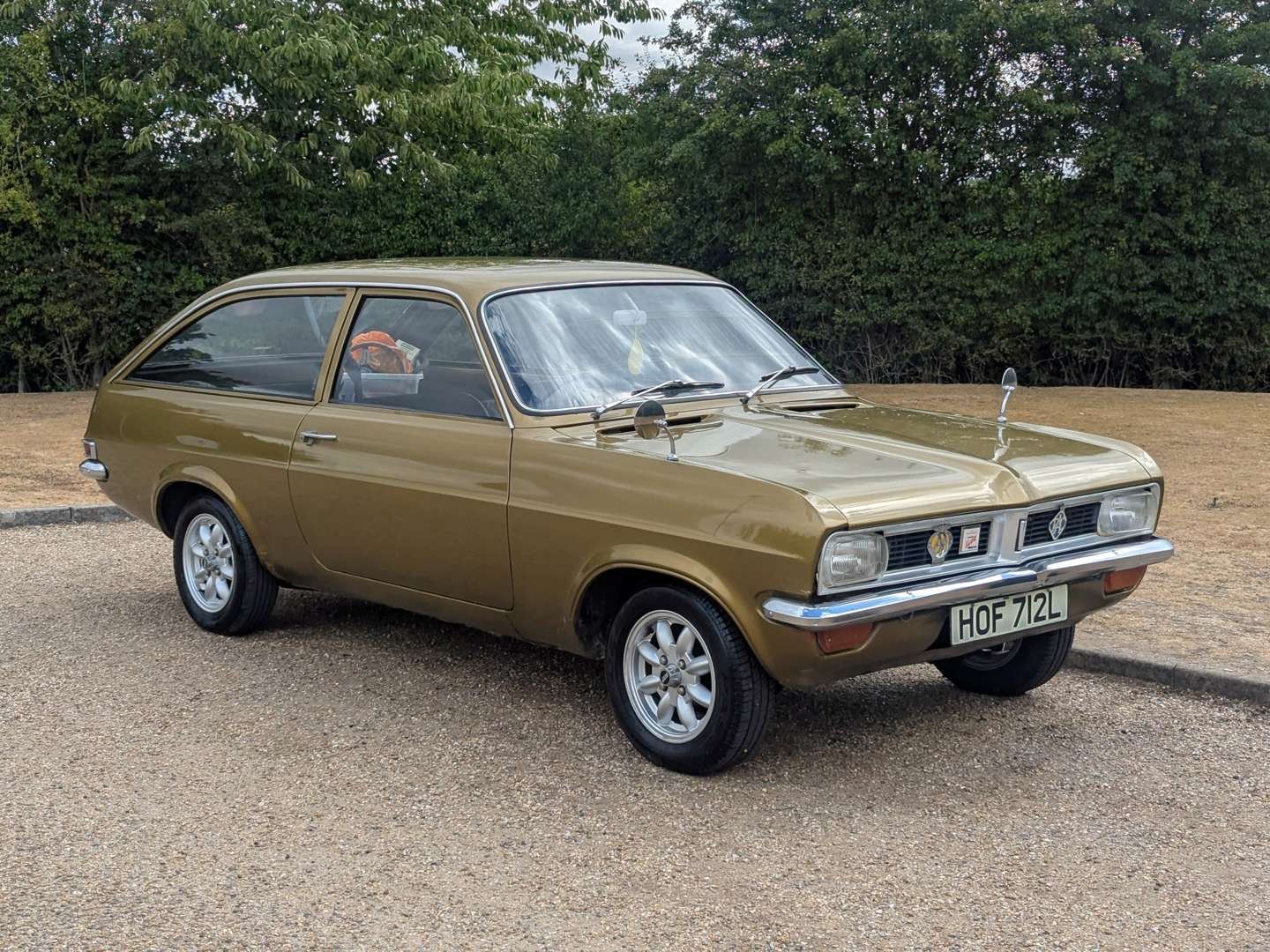
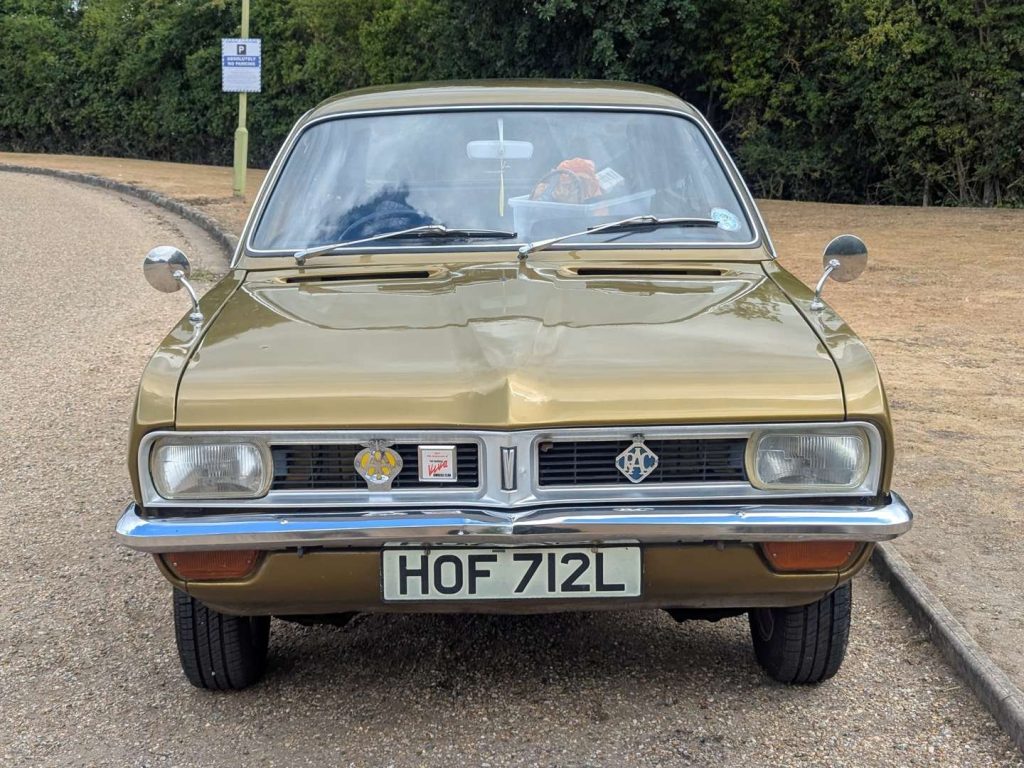
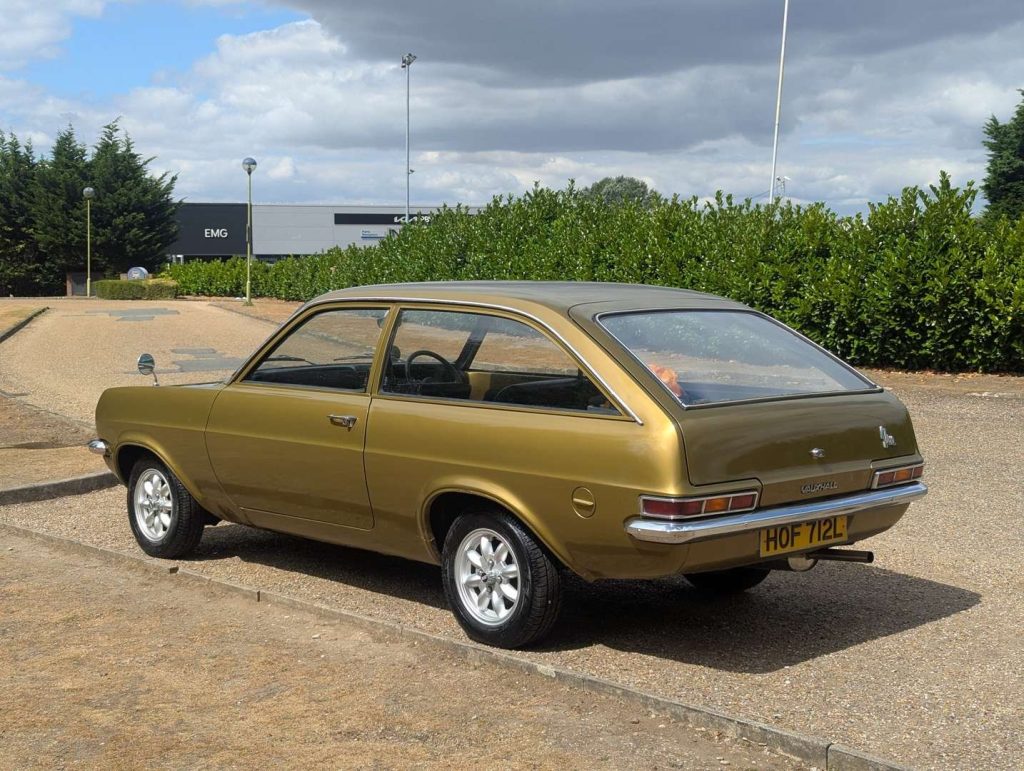
Registered in August 1973, it’s a 1256cc Viva Estate finished in green with a black interior.
There are a few changes from standard, including Minilite-style alloy wheels and additional badges on the front grille.
The odometer showed 54,944 miles.
According to Anglia Car Auctions, the Viva had been with its vendor since 2021 and had been used sparingly during that time.
Its paperwork included a V5C, owner’s handbook, some invoices and MoT certificates.
Guided at £4,500 to £5,500
ACA placed an estimate of £4,500 to £5,500 on the Viva.
An auction estimate is exactly that: an estimate of where the car might sell.
There’s another figure that can be rather more important on auction day, though.
The reserve.
That’s the minimum price the vendor has agreed to accept for the car.
If bidding reaches or exceeds the reserve, the car can be sold to the highest bidder when the hammer falls.
But what happens when it doesn’t?
That’s where things get interesting.
What does a provisional bid mean?
If bidding stops below the reserve, an auction house doesn’t necessarily just give up and move on.
Instead, the auctioneer may take the highest bid provisionally.
In simple terms, the highest bidder is saying: this is what I’m prepared to pay.
The vendor, meanwhile, hasn’t yet agreed to sell at that figure.
The auction house can then try to bring the two sides together.
Perhaps the vendor will accept a little less than they originally wanted.
Perhaps the bidder will increase their bid.
Or perhaps both move towards each other and meet somewhere in the middle.
There’s no guarantee that a deal will be done.
But sometimes it works.
And that’s exactly why the hammer falling provisionally can be the beginning of another negotiation rather than the end of the sale.
So what happened to the Viva?
We filmed the Viva going through the auction.
The bidding climbed, but eventually momentum disappeared.
The reserve hadn’t been reached.
The auctioneer therefore took the highest bid provisionally.
At that moment, there was no confirmed sale.
What happened afterwards is the interesting bit.
Watch the auction first and see where the live bidding stopped:
The provisional bid was £3,300
The highest bid in the live auction was £3,300.
That was £1,200 below the bottom of the £4,500 to £5,500 estimate, and it wasn’t enough for the car to be sold under the hammer.
So the £3,300 was taken provisionally.
Had buyer and vendor been unable to reach an agreement afterwards, that could have been the end of it.
But it wasn’t.
A deal was done at £3,600
After the auction, buyer and vendor were brought closer together and a sale was agreed at £3,600.
With buyer’s premium added, Anglia Car Auctions records the final result as £3,888.
So the winning bidder ultimately increased their position by £300 from the provisional bid, while the vendor accepted a figure below the original auction estimate.
And the Viva was sold.
It’s a neat illustration of the role an auction house can play after the public bidding has finished.
Why provisional bids matter
It’s easy to watch an auction video and assume that a car failing to reach its reserve means it hasn’t sold.
That isn’t always the case.
Auction houses naturally want to sell cars, vendors generally enter them because they want to sell, and somebody who has just made the highest bid clearly has an interest in buying.
If those three ingredients are present, there’s every reason to see whether a deal can be done.
Sometimes the gap is simply too large.
Sometimes the vendor won’t budge.
Sometimes the bidder has genuinely reached their absolute limit.
But on other occasions, a relatively small difference separates the two sides.
That’s when a phone call or conversation after the auction can turn a provisional bid into a completed sale.
Was £3,600 a fair price?
There’s another interesting part to this particular result.
The final £3,600 hammer price remained £900 below the bottom of the pre-auction estimate.
For the buyer, that may make this rather charming 1973 Viva Estate look like a good buy.
For the vendor, accepting the post-auction deal meant the car was sold rather than returning home and potentially needing to be advertised or auctioned again.
That’s ultimately what an auction is supposed to achieve: finding the point at which somebody is prepared to sell and somebody else is prepared to buy.
Sometimes that happens with a dramatic final bid in front of a packed auction room.
And sometimes it happens quietly after the hammer has already fallen.
What do you reckon?
At £3,600 before fees, would you have taken this Viva Estate home?
You can see the original auction listing and photographs on the Anglia Car Auctions website:
Get the best barn finds, projects and classic temptations direct to your inbox.
Related Posts
Discover More Classic Car Stories
Stay updated with the latest barn finds, auction news, and classic car adventures in our 'News & Waffle' section. Dive into rare discoveries, behind-the-scenes stories, and expert insights into the world of classic cars. Whether you’re a seasoned enthusiast or simply intrigued by the tales behind these treasures, this is your hub for all things classic and captivating.
Some cars make you feel old. The Vauxhall VX220 is definitely one of them. It still looks modern enough to have been launched only a few years ago, yet the car pictured here was registered in 2001 and is now coming up for sale at Anglia Car Auctions at the grand old age of 25. […]
A Ford Galaxie fills the mirrors. A Lotus Cortina stretches its legs along the straight. Then, as the field reaches the next corner, a tiny Mini comes charging back into the fight. That contrast is one of the great sights of the Goodwood Revival. The racing Minis may be among the smallest cars on the [&...
This Morris Ital auction result might be one of the most gloriously retro things we’ve filmed all year. A 1980 Morris Ital HL. Finished in Russet Brown. With 69,174 miles showing. And, just to add another twist to the story, previously owned by Sarah Crabtree of Bangers & Cash fame. Before the bidding even started […]