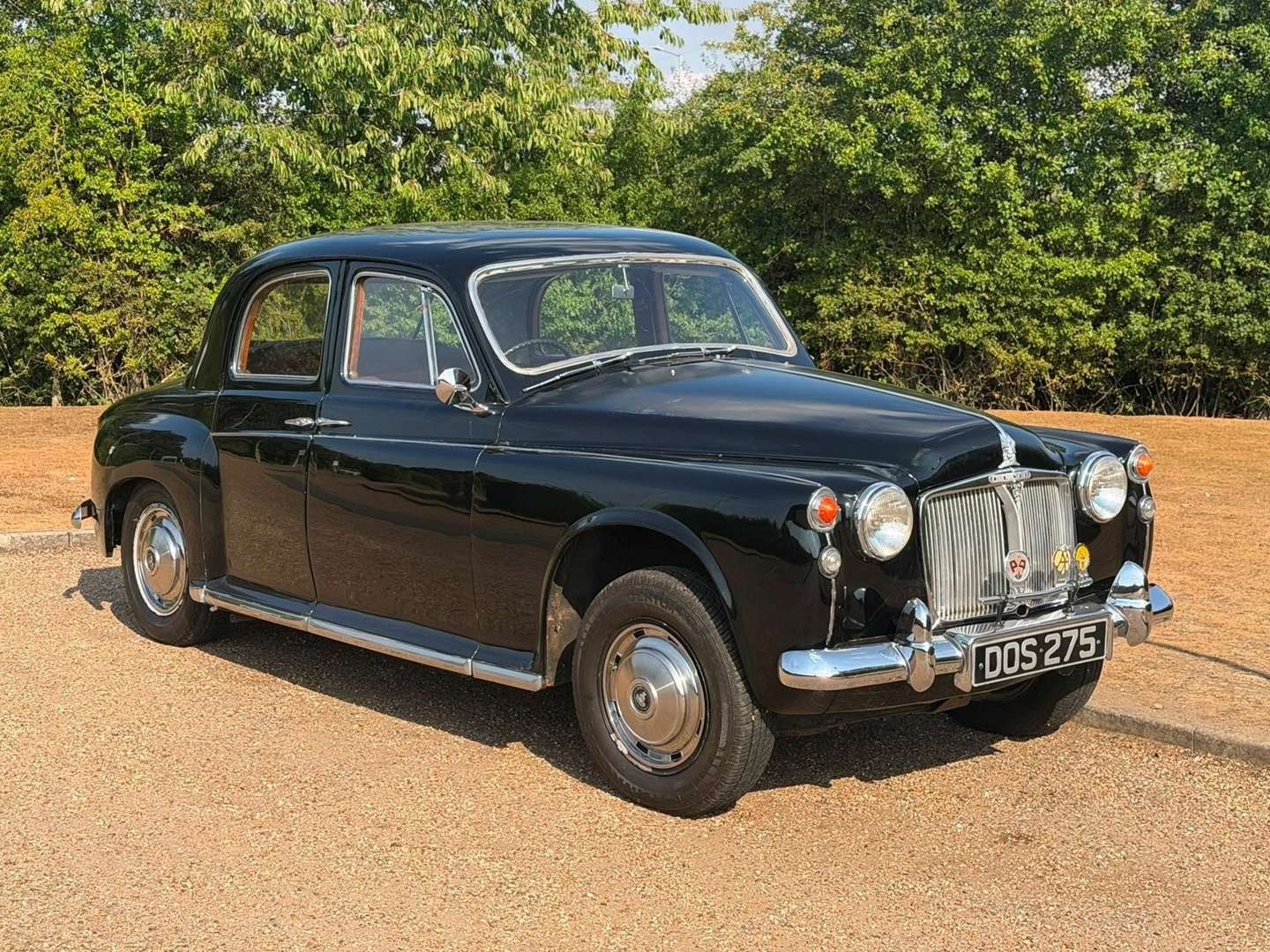
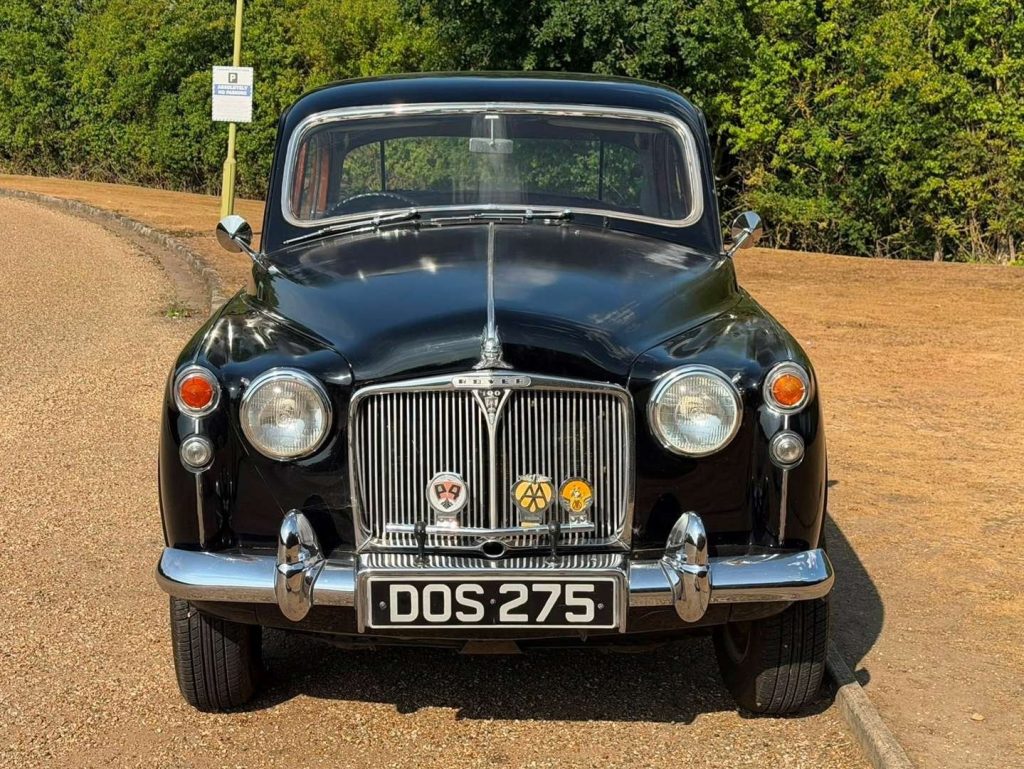
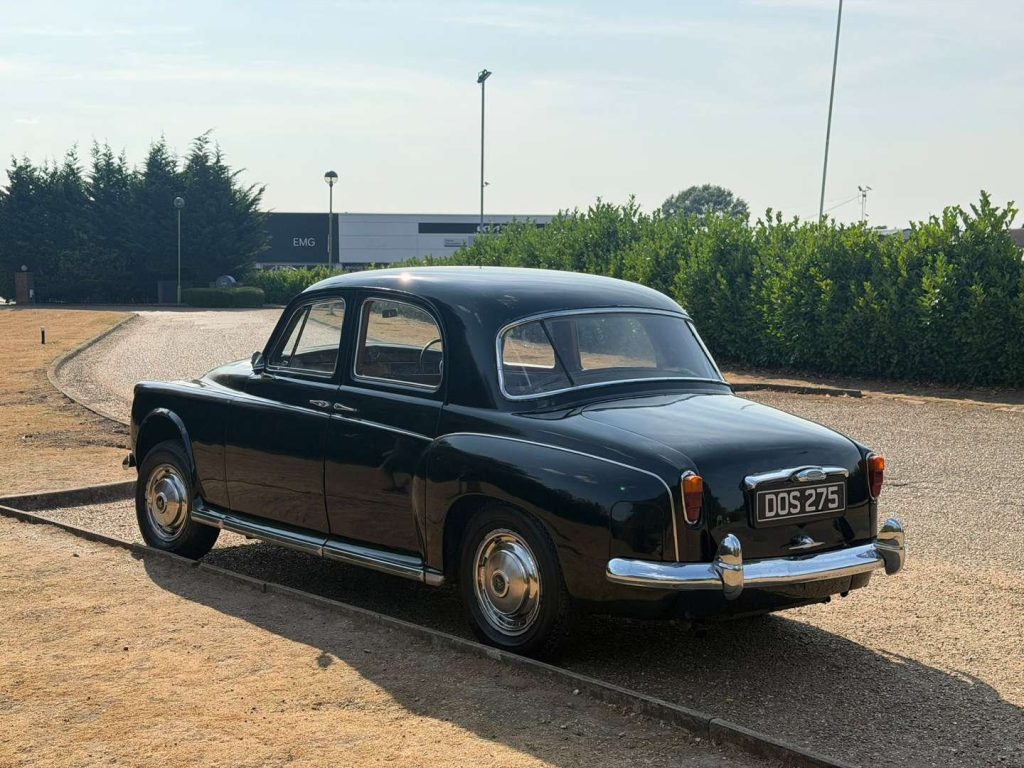
This Rover 80 auction result left us asking a simple question.
Was this a good buy?
The 1959 Rover P4 went under the hammer at Anglia Car Auctions with no reserve, and the bidding eventually stopped at £2,600.
That seemed like very sensible money for such a substantial old Rover.
But there’s a catch.
I’ll be honest: while I’ve seen plenty of P4 Rovers sell for good money over the years, I’ve never actually owned one.
So this time, rather than pretending to know everything, I want the people who really understand these cars to tell us.
What are Rover P4s actually like to own?
And at £2,600 hammer, did somebody buy well?
The Rover P4 Has Proper Presence
There is something wonderfully dignified about a P4.
They are big enough to feel substantial, but not so large that they become unwieldy.
The styling is formal without being dull.
The interiors are typically full of wood, leather and traditional Rover details.
And they come from an era when Rover still had a reputation for building solid, conservative cars for people who wanted something a little more distinguished than the mainstream.
That character has aged well.
Why People Call Them ‘Auntie Rovers’
P4s are often nicknamed “Auntie Rovers”.
The name suits them.
They have that slightly upright, respectable, old-fashioned air about them.
Not flashy.
Not sporty.
Just proper.
And unlike plenty of other 1950s saloons, they still feel like cars with a real identity.
The P4 Was a Long-Running Rover
The P4 story began in 1949 with the Rover 75.
Over the next 15 years the range evolved through numerous versions, including the 60, 75, 80, 90, 95, 100, 105 and 110.
Rover kept updating the shape and engineering as the years passed.
The P4 Drivers’ Guild records major revisions to the grille, bumpers, rear bodywork and engines during the model’s life, with production finally ending in 1964 as the newer P6 took over.
That long production run is part of the appeal.
There is a P4 for almost every taste.
The Rover 80 Was a Bit Different
This particular car was a Rover 80.
That matters.
While many P4s used Rover’s smooth six-cylinder engines, the 80 used a 2,286cc four-cylinder overhead-valve engine closely related to the unit found in Land Rovers of the period.
It arrived in 1959 as the replacement for the Rover 60.
The Drivers’ Guild records the 80 as producing around 77bhp, with a top speed of roughly 87mph.
More importantly, it came with front disc brakes and overdrive as standard equipment.
So although it sat lower in the P4 range than the six-cylinder 100, it was hardly a crude car.
A Land Rover Engine in a Rover Saloon
That engine connection makes the 80 especially interesting.
The basic 2.25-litre unit was known for being tough and durable.
The Rover P4 Drivers’ Guild describes the four-cylinder engine as robust, although timing-chain noise is something owners should watch for.
The trade-off was refinement.
A P4 80 was never going to be as silky as one of the six-cylinder models.
But then again, there is something appealing about that slightly more workmanlike engineering.
It gives the car a different character.
This One Had 45,078 Miles Showing
The odometer displayed 45,078 miles.
It had reportedly been used for shows during the previous year and came to auction with an MoT running until June 2026.
ACA also noted that the overdrive was working.
That is worth mentioning, because overdrive makes a big difference to the way older cars like this feel on faster roads.
There was also a collection of spares in the boot.
For anyone buying an old Rover, that is rarely a bad thing.
No Reserve
The Rover went into the sale without reserve.
That always sharpens the interest.
There is no hidden minimum waiting in the background.
The highest bid wins.
And that makes it easier to judge what the room and internet actually thought the car was worth on the day.
I’ve Seen P4s Make Good Money Before
That was what made this one interesting to me.
I’ve watched P4 Rovers sell for considerably stronger money in the past.
Some of the better six-cylinder cars, especially the higher-specification 100 and 110 models, can attract much more attention.
So when this Rover 80 appeared, I was genuinely curious.
Would the bidders treat it as a desirable P4?
Or would the four-cylinder engine keep the price down?
Watch the Rover 80 Go Under the Hammer
The car looked wonderfully old-school as it crossed the block.
And while I was watching it sell, I found myself wondering whether somebody was about to get a lot of Rover for relatively little money.
Watch the auction below and decide for yourself:
£2,600 Hammer
The hammer eventually fell at:
£2,600.
With Anglia Car Auctions’ buyer’s premium added, the final total became:
£2,808.
That is not a huge amount of money for a complete, running 1950s Rover.
But does that automatically make it a bargain?
Not necessarily.
Was It Really a Good Buy?
This is where the people who know P4s better than me come in.
The £2,600 hammer price looks tempting.
But buying an old car is never just about the number on the auction sheet.
Chassis condition matters.
Body condition matters.
Mechanical condition matters.
And with a P4, there are model-specific things experienced owners will know to look for.
The Drivers’ Guild warns buyers to pay attention to suspension bushes, king pins, chassis condition and various engine and transmission issues depending on model.
So while £2,600 sounds cheap, the real value depends on what the car is like underneath.
P4s Have a Loyal Following for a Reason
One thing is obvious.
These cars have a proper enthusiast following.
The Rover P4 Drivers’ Guild has kept a huge amount of knowledge alive around the cars, from technical information to model history and buying advice.
That tells you something.
People do not usually build strong clubs around cars they do not enjoy owning.
And the P4’s reputation for comfort, durability and old-school Rover engineering has clearly helped these cars maintain their following.
The 80 Might Be Underrated
Perhaps that is the interesting part.
The six-cylinder P4s naturally get more attention.
They are smoother.
They are more powerful.
And models such as the 100 and 110 tend to be the ones people talk about first.
But the 80 has its own appeal.
It is still a P4.
It still has the same imposing shape.
It still has the traditional Rover interior.
And it uses a tough, familiar four-cylinder engine.
For someone who wants the P4 experience without chasing one of the more expensive versions, that could make the 80 very interesting indeed.
A Lot of Car for £2,808
That is the number that keeps sticking in my head.
£2,808 including premium.
For a 1959 Rover.
With working overdrive.
An MoT into 2026.
A boot full of spares.
And all that wonderful P4 character.
It feels like a lot of old car for the money.
But I’d rather let the P4 people decide.
So, P4 Owners: Did the Buyer Do Well?
This is your bit.
If you own one, have owned one or know these cars inside out, tell us.
What are they like to drive?
What are they like to maintain?
Is the 80 a model you would recommend?
And most importantly:
At £2,600 hammer, was this a good buy?
Because from where I was standing, it certainly looked tempting.
Join our newsletter
Get the best barn finds, projects and classic temptations direct to your inbox.
Related Posts
Discover More Classic Car Stories
Stay updated with the latest barn finds, auction news, and classic car adventures in our 'News & Waffle' section. Dive into rare discoveries, behind-the-scenes stories, and expert insights into the world of classic cars. Whether you’re a seasoned enthusiast or simply intrigued by the tales behind these treasures, this is your hub for all things classic and captivating.
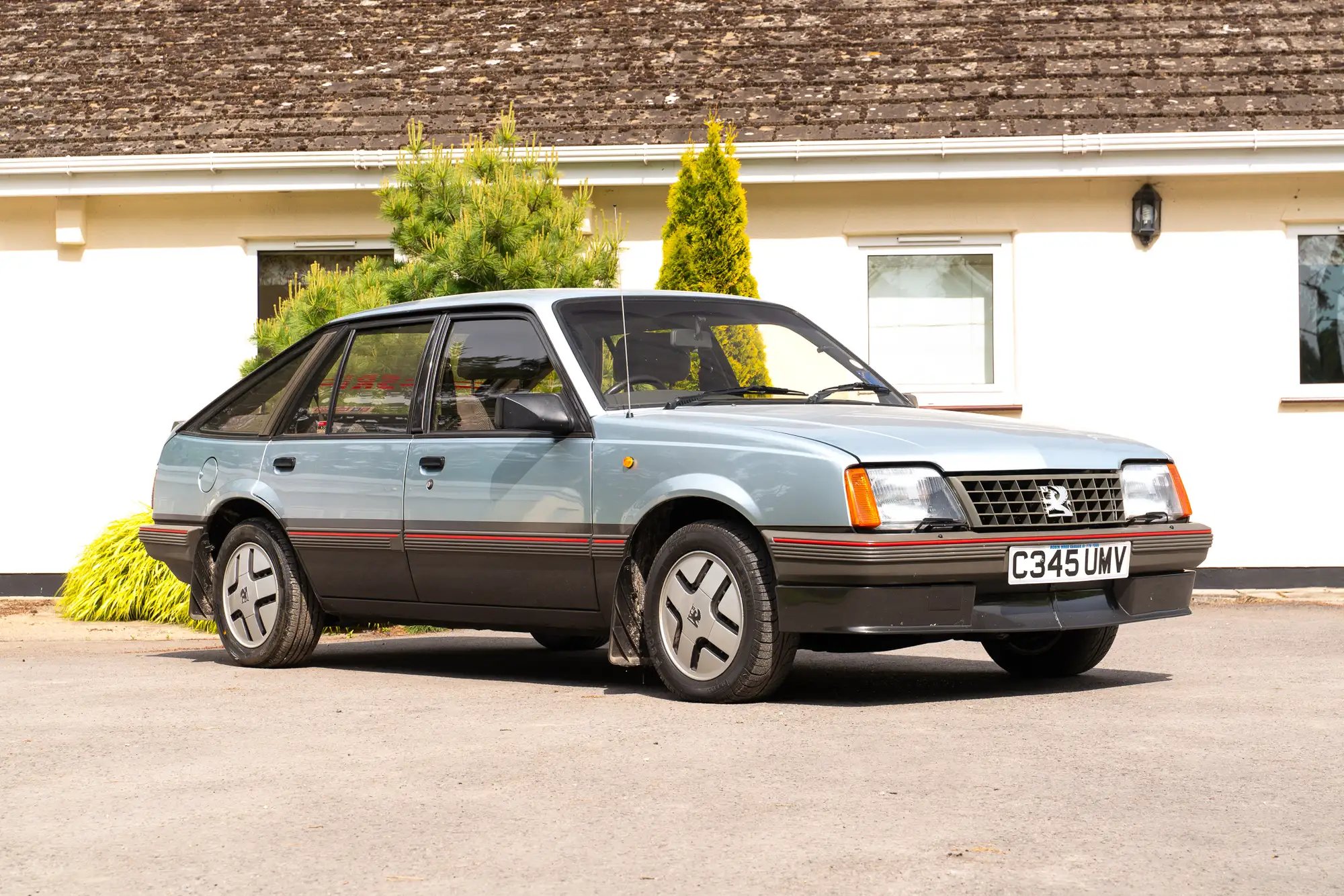
There’s something about a well-preserved 1980s Vauxhall that really takes us back. And this 1986 Cavalier SRi, finished in its original Astral Silver and Anthracite two-tone paintwork, was a particularly appealing example. Just 48,304 miles showing, three previous owners, original dealer details and the distinctive appearance that made the SRi one of Vauxhall’s most recognisable [&...
There was a time when a trip to the local motor spares shop could result in coming home with something you never knew you needed. Perhaps it was a new gear knob. A pair of auxiliary mirrors. One of those little bottles of Feu Orange air freshener. Or a gadget that promised to make driving [&...
We’ve watched thousands of cars go through auction halls over the years, but every now and then something arrives that really catches our attention. This 1993 Ford P100 was one of them. Not because it was particularly rare or expensive. But because of the extraordinary noise it made as it drove through Anglia Car Auctions. [&...