It looks like somebody has been playing with the scale settings.
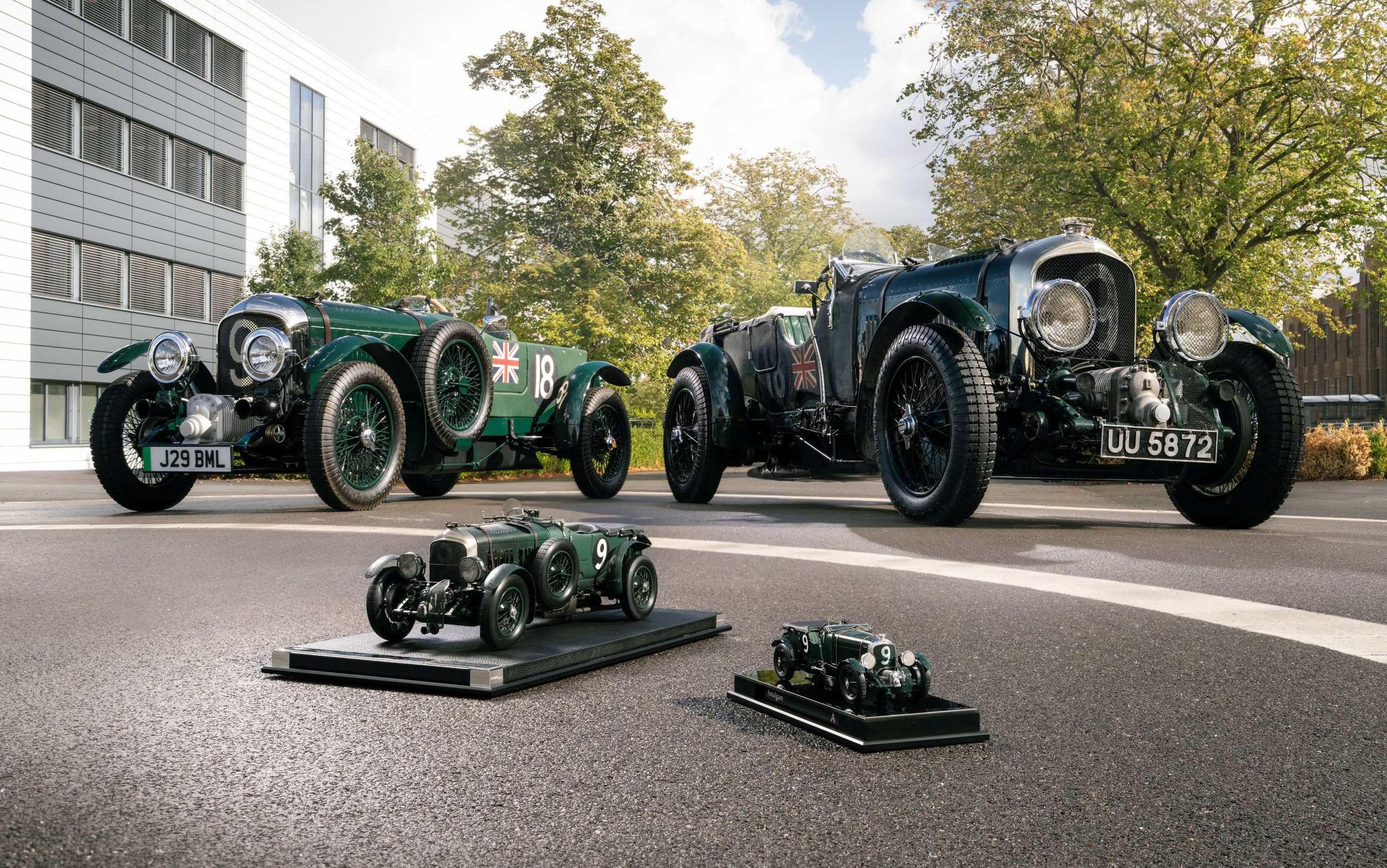
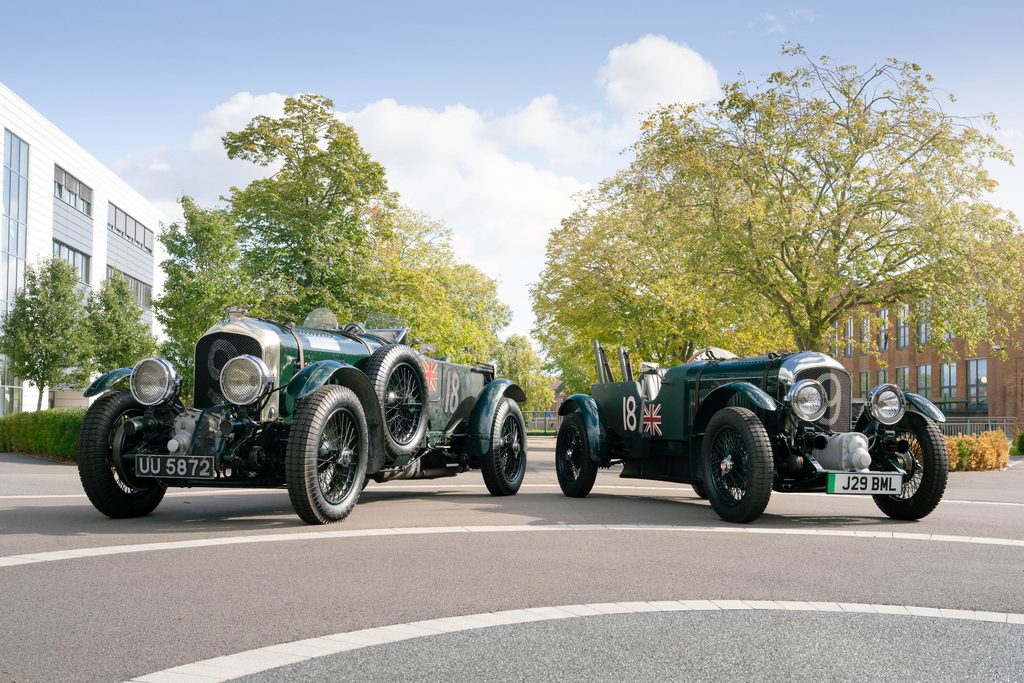
Parked together at Bentley’s headquarters in Crewe are four versions of one of the most famous racing cars ever built.
There’s the genuine 1929 Bentley Blower, an enormously important survivor from the Bentley Boys era.
Beside it is a slightly smaller interpretation that you can actually drive on the road.
And then there are two more, small enough to display in a collection, but detailed enough to make you look twice.
All four are interpretations of the same extraordinary machine.
Bentley has brought them together to celebrate the completion of the first 25 Bentley Blower Jnrs, an ambitious project that combines the appearance of a pre-war racing car with a modern electric powertrain.
But the gathering also marks the arrival of a new 1:18 scale model from Amalgam Collection.
And one of the most interesting creations of the lot is a model deliberately made to look as though it has just finished a rather punishing race.
The Original Bentley Blower – UU 5872
Before we get to the smaller versions, we ought to start with the real thing.
Bentley’s original 1929 4½ Litre Supercharged Team Car No. 2 is one of the most significant vehicles in the company’s Heritage Collection.
Registered UU 5872, it was one of four Team Blowers created for competition and raced at the 1930 24 Hours of Le Mans.
The Blower is instantly recognisable thanks to its enormous supercharger mounted ahead of the radiator, exposed mechanical components, long bonnet and purposeful appearance.
These were machines built for an era when motor racing was as much an endurance test for the machinery as it was for the drivers.
The supercharged 4½ Litre Bentleys became closely associated with Sir Henry ‘Tim’ Birkin and the colourful Bentley Boys period.
Interestingly, the Blower wasn’t responsible for Bentley’s famous run of Le Mans victories during the 1920s. The supercharged cars were spectacular but did not enjoy the same endurance-racing success as some of their naturally aspirated stablemates.
That hasn’t stopped them becoming some of the most celebrated Bentleys of all.
And the original Team Car No. 2 is no museum piece in the usual sense.
Bentley continues to use it at events and historic driving experiences around the world.
Almost a century after it was built, UU 5872 is still making appearances on the road.
The Bentley Blower Jnr Is Actually Road Legal
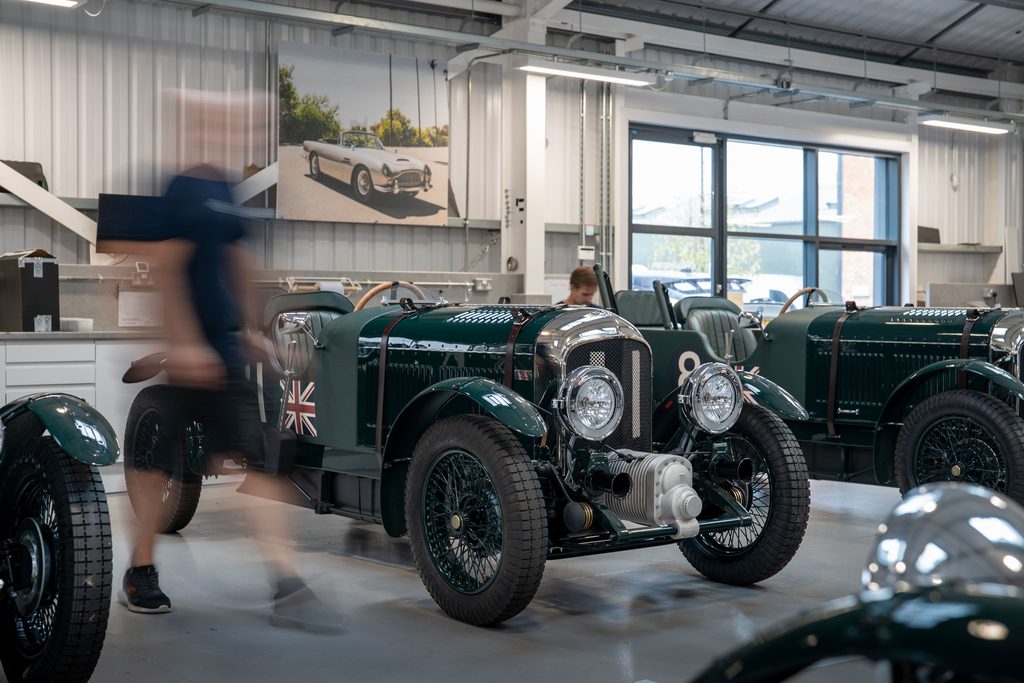
Now imagine taking that famous pre-war Bentley and reducing it to 85% of its original size.
Then replacing its enormous petrol engine with an electric powertrain.
That is essentially the idea behind the Bentley Blower Jnr.
Developed by Bentley Motors and The Little Car Company, now known as Hedley Studios, the project was first revealed in 2023.
But this isn’t simply a miniature vehicle intended for driving around a private estate.
The Blower Jnr has been developed as a genuinely road-going production car.
Its electric motor produces 31bhp (23kW), giving the vehicle a quoted top speed of more than 50mph.
Bentley also quotes a certified range of up to 75 miles.
Those figures won’t trouble a modern Bentley Continental GT, but that’s hardly the point.
The attraction is the opportunity to experience something resembling a pre-war Bentley from behind the wheel, without needing to maintain a genuine supercharged vintage racing engine.
And at 85% scale, the Blower Jnr is hardly microscopic.
It has the same distinctive long-bonnet proportions, upright radiator, exposed wheels and period racing appearance that make the original so recognisable.
It is a wonderfully eccentric idea.
Modern Engineering Hidden Inside A Vintage Bentley
One of the more interesting aspects of the project is how much work has gone into making the Blower Jnr usable on modern roads.
Ben Hedley, founder of Hedley Studios, says the greatest challenge was dealing with the parts of the vehicle that people don’t necessarily see.
The engineers had to incorporate headlights, indicators, brakes, modern electrical systems and even a reversing camera.
All while preserving the decidedly old-fashioned character of the original Bentley.
It’s quite a contrast.
A machine designed to look as though it belongs at Brooklands in 1930, equipped with technology that would have been unimaginable to the Bentley Boys.
Hedley Studios has undertaken an extensive programme of engineering, testing and homologation to develop the car for road use.
The company believes the Blower Jnr may be the first recreation of a pre-war car design to be homologated as a newly manufactured production road vehicle.
That is the manufacturer’s assessment rather than an independently established record, but it gives some indication of the engineering ambition involved.
Particularly when you consider the relatively small number being built.
The First 25 Bentley Blower Jnrs Are Complete
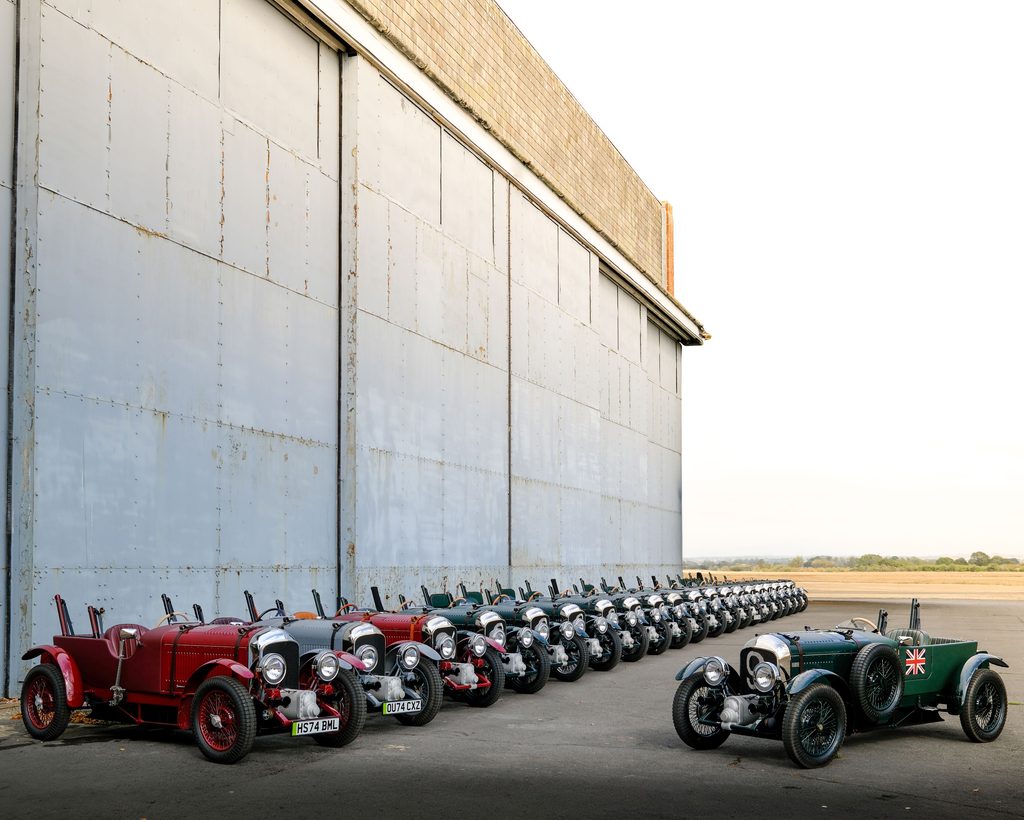
Bentley has now confirmed that the first 25 Blower Jnrs have completed production at Hedley Studios’ Bicester premises.
They are being prepared for delivery to customers.
The first of those 25 has already been delivered to Bentley itself, joining the company’s collection at Crewe.
Production is planned to total just 349 vehicles.
That is a substantial undertaking for something so specialised, especially when the development work required to produce a road-legal vehicle is considered.
The photographs showing rows of freshly completed Blower Jnrs are quite a sight.
At first glance, they could almost be a gathering of vintage racing Bentleys.
Look a little closer and the proportions begin to give the game away.
We suspect seeing one of these coming towards you on a British road would cause considerable double-taking.
Amalgam Has Gone Even Smaller
At the other end of the scale are the extraordinary creations from Amalgam Collection.
Amalgam has been producing highly detailed models of important cars for years, and its 1:8 scale Bentley Blower was first revealed in February 2020.
Now the company has introduced a smaller 1:18 version, developed in collaboration with Bentley.
It might be tempting to assume that a smaller model is simply an easier version of the larger one.
Apparently not.
Amalgam describes the new Bentley Blower as its most technically accomplished 1:18 scale model to date.
And when you look at the original vehicle, it’s easy to understand why.
There is an extraordinary amount of exposed mechanical detail.
The front-mounted supercharger.
Wire wheels.
Bonnet straps.
External components.
Suspension.
The complex bodywork and racing equipment.
All of these details have to be recreated on a much smaller scale without losing the character of the original car.
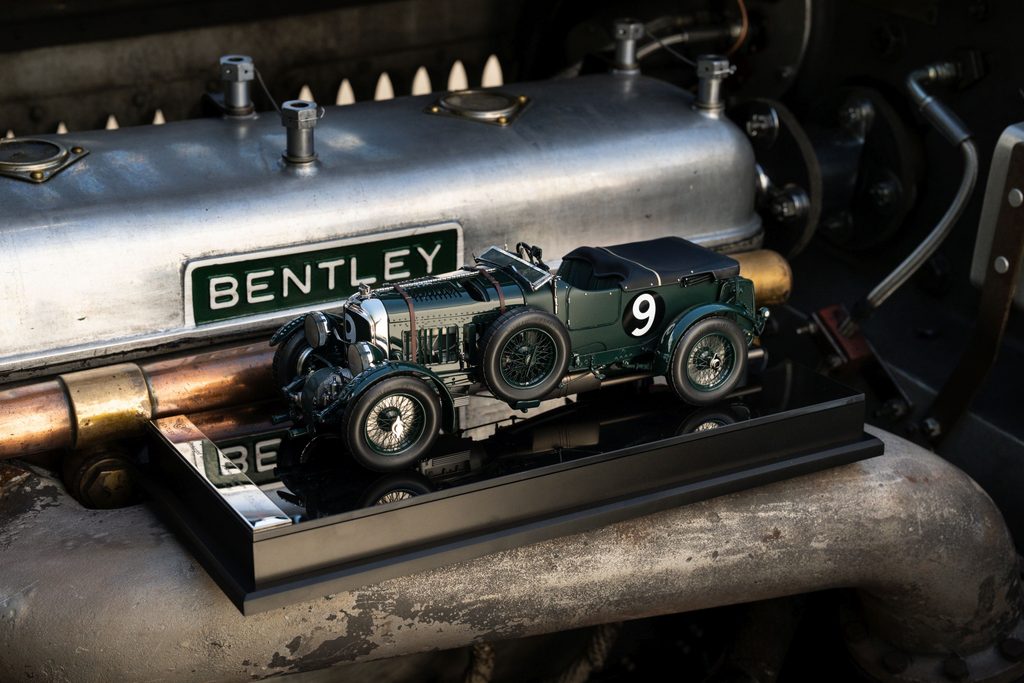
The close-up photographs are especially impressive.
Remove the surrounding context and it can be surprisingly difficult to tell whether you’re looking at a full-sized vintage Bentley or a finely crafted model.
You Can Even Commission A Model Of Your Own Blower
There’s another interesting detail in Bentley’s announcement.
Owners of the company’s Blower Continuation Series can commission an Amalgam model to match the individual specification of their own car.
The service is available in both 1:8 and 1:18 scales.
That means the model isn’t simply a generic representation of a Bentley Blower.
It can be produced to reflect the particular vehicle sitting in the owner’s garage.
For somebody fortunate enough to own a Blower Continuation Series Bentley, we can certainly see the attraction.
Although we’d probably be rather reluctant to let anyone dust it.
The Bentley Blower That Looks Like It’s Just Finished Le Mans
Perhaps our favourite detail in the whole announcement concerns another Amalgam creation.
The company has produced a special race-weathered version of its 1:8 scale Bentley Blower.
Limited to just 30 examples, it recreates how Team Car No. 2 looked after the 1930 24 Hours of Le Mans.
Instead of presenting the Bentley in immaculate showroom condition, Amalgam has deliberately reproduced the evidence of a hard-fought endurance race.
There is dirt.
Wear.
Patina.
And even damage.
Bentley specifically mentions bent rear wings caused by tyre failures during the race.
Each example is hand-painted and detailed to reproduce that competition-worn appearance.
We absolutely love this idea.
Anyone who has spent time around genuinely old racing machinery knows that its history is often written in the marks it carries.
An immaculate restoration can be beautiful.
But sometimes the worn, damaged and battle-scarred appearance tells a much more interesting story.
In this case, the damage isn’t something the model makers have tried to hide.
It is part of what they’re recreating.
And that gives the model an entirely different character from a pristine display piece.
Four Different Ways Of Preserving The Same Car
There is something particularly appealing about the way Bentley has brought all four creations together.
The original Team Car No. 2 remains an irreplaceable piece of motoring history.
The electric Blower Jnr offers a new way to experience some of its appearance and character on the road.
The 1:8 Amalgam model recreates its details in miniature.
And the new 1:18 model makes that level of craftsmanship available in an even smaller format.
Meanwhile, the race-weathered edition goes a step further by recreating a particular moment in the original car’s history.
We find that last point especially interesting.
It isn’t simply about what a Bentley Blower looked like when it left the factory.
It’s about what happened to the car afterwards.
The marks, modifications, repairs and evidence of use are all part of its story.
And that is something we encounter constantly with the old vehicles that pass through UK Barn Finds.
Their history isn’t always found in a handbook or a registration document.
Sometimes it’s written into the vehicle itself.
Almost A Century Later, The Bentley Blower Still Has An Audience
It’s extraordinary to think that a racing car designed in the late 1920s can still inspire newly manufactured vehicles and highly specialised models nearly 100 years later.
Yet here we are.
Bentley has its original Team Blower.
Hedley Studios is building electric versions that can venture onto public roads.
And Amalgam is creating astonishingly detailed models for collectors.
None can replace the real 1929 car, of course.
But perhaps that’s the attraction.
Each celebrates something different about the original.
And with the first 25 Blower Jnrs now completed, there’s a chance that some of these smaller Bentleys will soon become familiar sights at motoring events.
We rather hope so.
After all, how often do you get the opportunity to see a 1929 Bentley Blower recreated as a modern electric road car?
And which would you rather have in your garage — a driveable Blower Jnr or one of those extraordinary Amalgam models?
Join our newsletter
Get the best barn finds, projects and classic temptations direct to your inbox.
Related Posts
Discover More Classic Car Stories
Stay updated with the latest barn finds, auction news, and classic car adventures in our 'News & Waffle' section. Dive into rare discoveries, behind-the-scenes stories, and expert insights into the world of classic cars. Whether you’re a seasoned enthusiast or simply intrigued by the tales behind these treasures, this is your hub for all things classic and captivating.
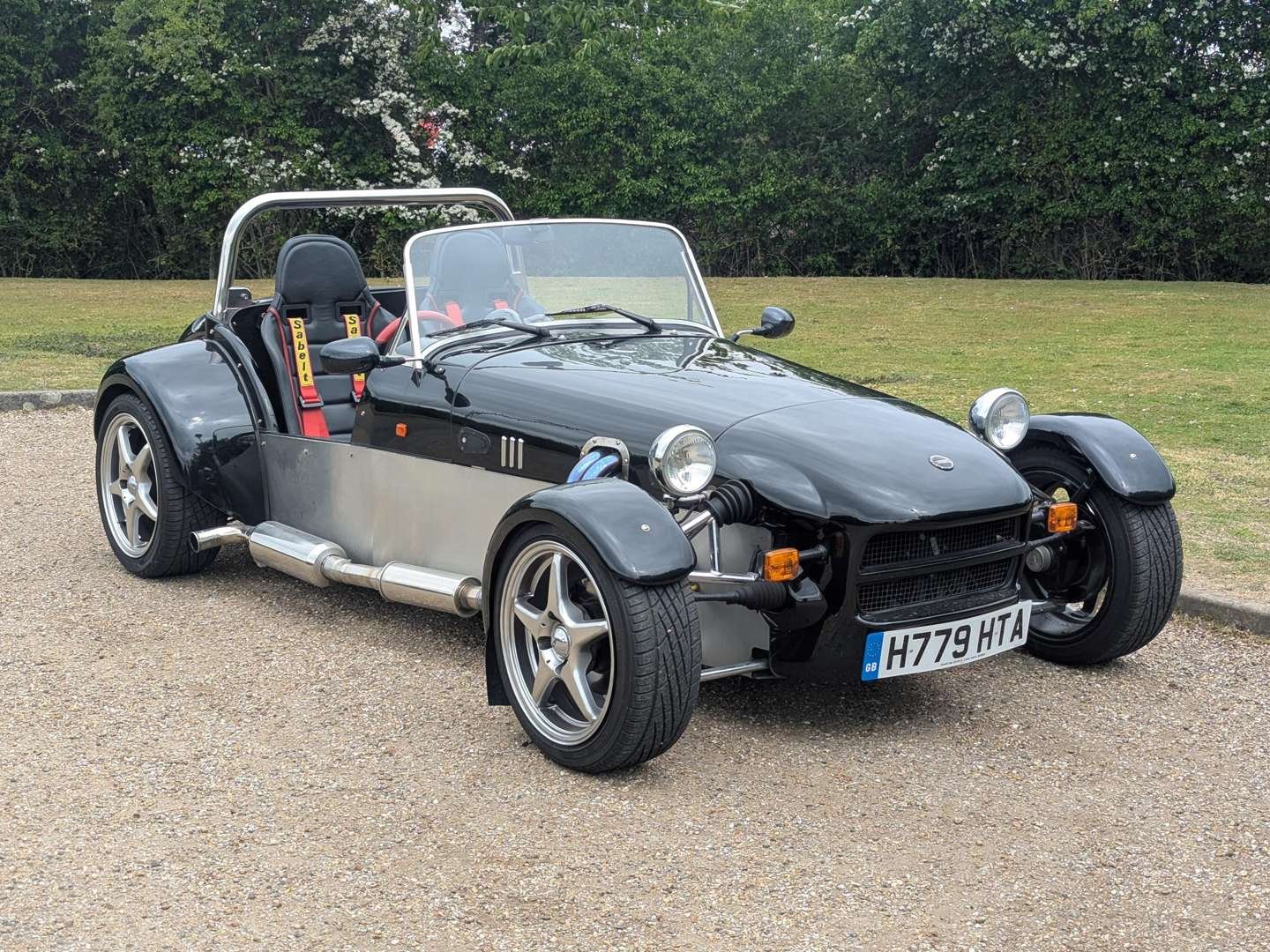
This Quantum Xtreme auction result left us asking two questions. What exactly is a Quantum Xtreme? And why were so many people bidding on it? Because when this rather unusual-looking little sports car appeared at Anglia Car Auctions, the bidding was already getting lively before the auctioneer even turned his attention to the room. By [&...
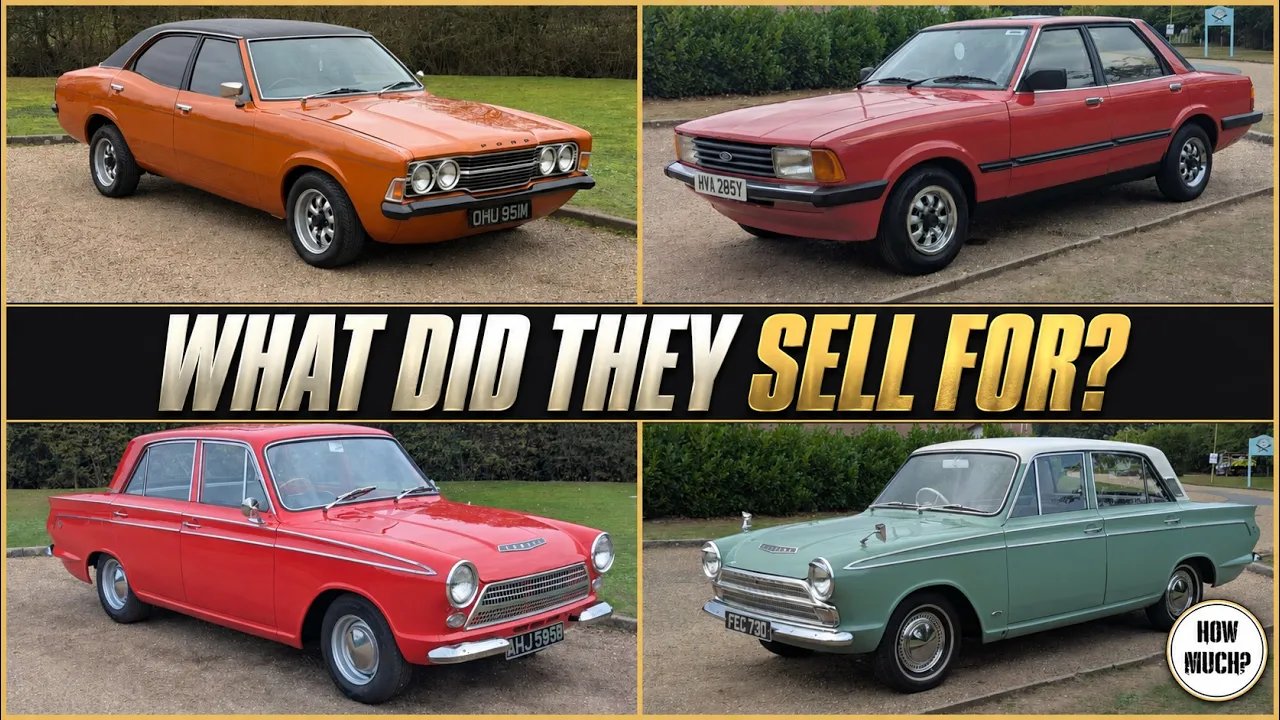
Asking prices are one thing, but what are people actually prepared to pay for classic cars? Spend any time browsing classic car adverts and you’ll find some ambitious prices. But it’s when the bidding starts at auction that things can get particularly interesting. We’ve seen immaculate-looking classics struggle to attract buyers, while ...
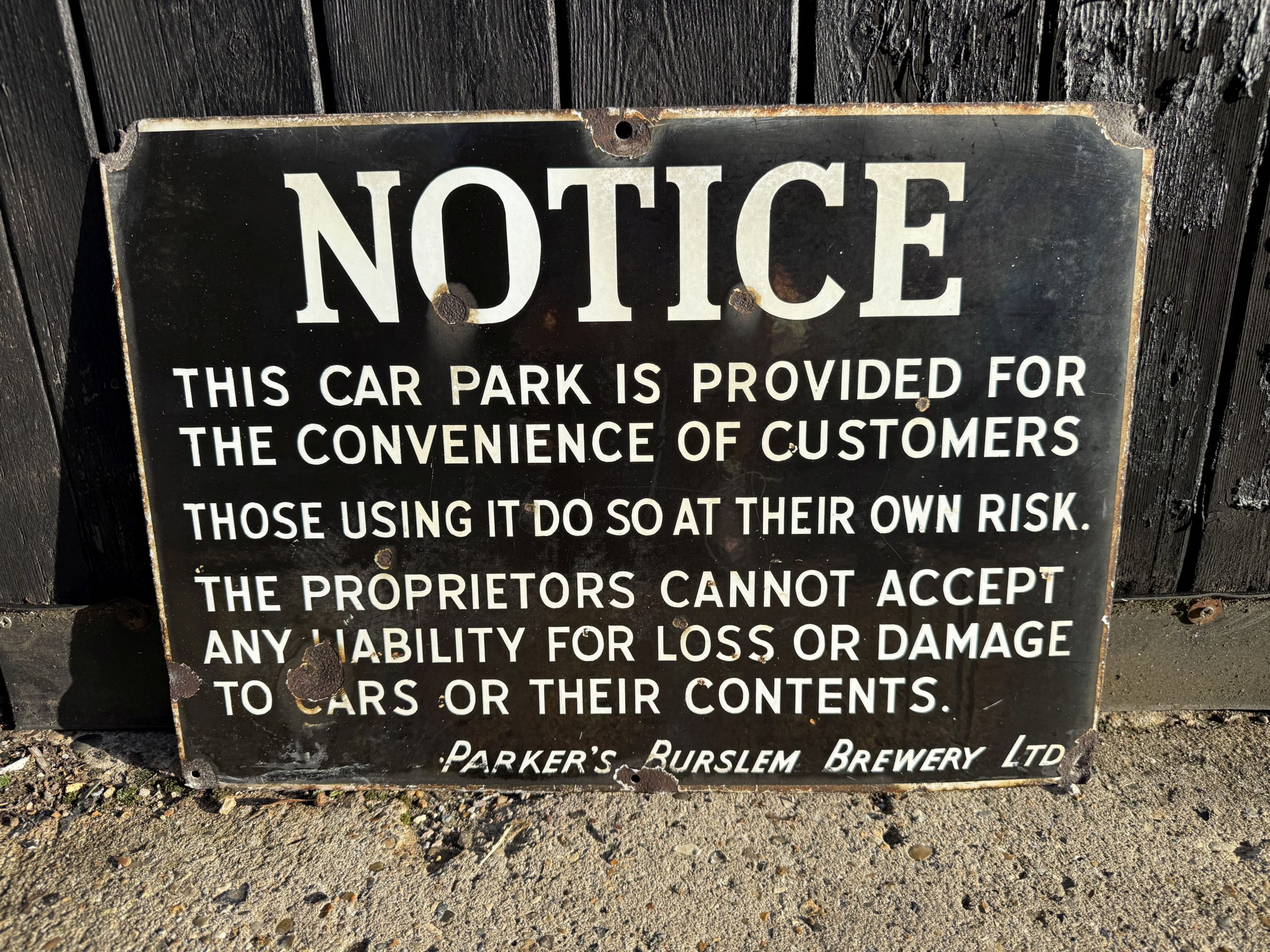
Some of the most interesting things we see at auctions are not cars at all. They are signs. Not necessarily famous Shell, Castrol, BP or Michelin signs either. Sometimes it is a brewery name nobody outside the local area remembers. An old car park notice. A railway warning. A shop sign. An industrial plate. Something [&...