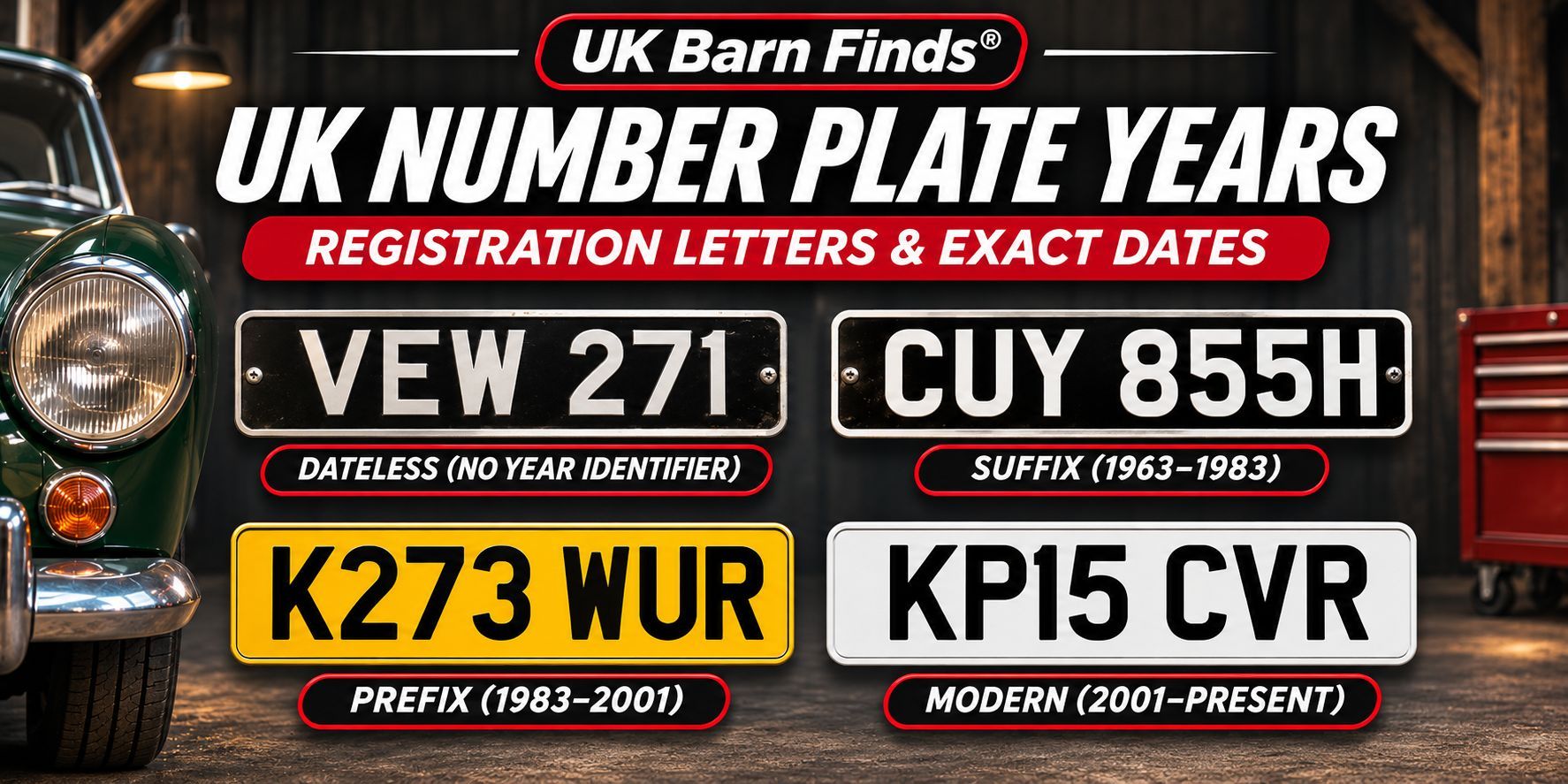
Find out what year a UK number plate was issued, from A-suffix classics to modern registrations. Complete date tables, plus the exceptions that can make a car appear newer than it really is.
Important: A registration number does not necessarily identify when a vehicle was manufactured. Some older and imported cars legitimately have registrations that make them appear newer. Private plates and replacement registrations can also affect what a number plate tells you.
All five vehicles photographed in this guide are cars we’ve bought ourselves at UK Barn Finds.
Suffix Number Plate Years (1963–1983)
Suffix registrations have a year-identifying letter at the end of the registration number.
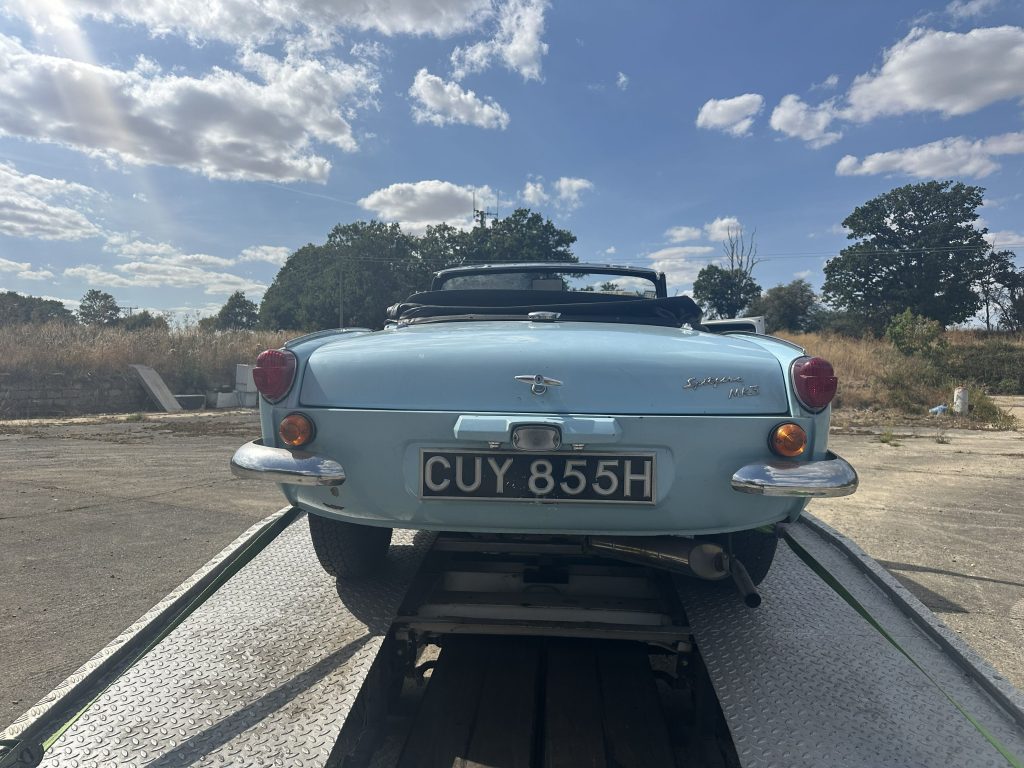
For example, CUY 855H has an H suffix, issued between 1st August 1969 and 31st July 1970.
Suffix
Start date
End date
A
1st February 1963
31st December 1963
B
1st January 1964
31st December 1964
C
1st January 1965
31st December 1965
D
1st January 1966
31st December 1966
E
1st January 1967
31st July 1967
F
1st August 1967
31st July 1968
G
1st August 1968
31st July 1969
H
1st August 1969
31st July 1970
J
1st August 1970
31st July 1971
K
1st August 1971
31st July 1972
L
1st August 1972
31st July 1973
M
1st August 1973
31st July 1974
N
1st August 1974
31st July 1975
P
1st August 1975
31st July 1976
R
1st August 1976
31st July 1977
S
1st August 1977
31st July 1978
T
1st August 1978
31st July 1979
V
1st August 1979
31st July 1980
W
1st August 1980
31st July 1981
X
1st August 1981
31st July 1982
Y
1st August 1982
31st July 1983
Our Triumph Spitfire Mk3 displaying an H-suffix registration, corresponding to 1st August 1969–31st July 1970.
Why Did Registration Letters Start Changing in August?
Originally, year letters changed on 1st January. The motor industry argued that customers were delaying purchases until the new year, causing uneven demand.
The Government agreed to move the changeover to 1st August 1967. Consequently, the E suffix lasted just seven months, from 1st January to 31st July 1967.
Prefix registrations replaced suffix plates on 1st August 1983. The year-identifying letter moved to the beginning of the registration number.
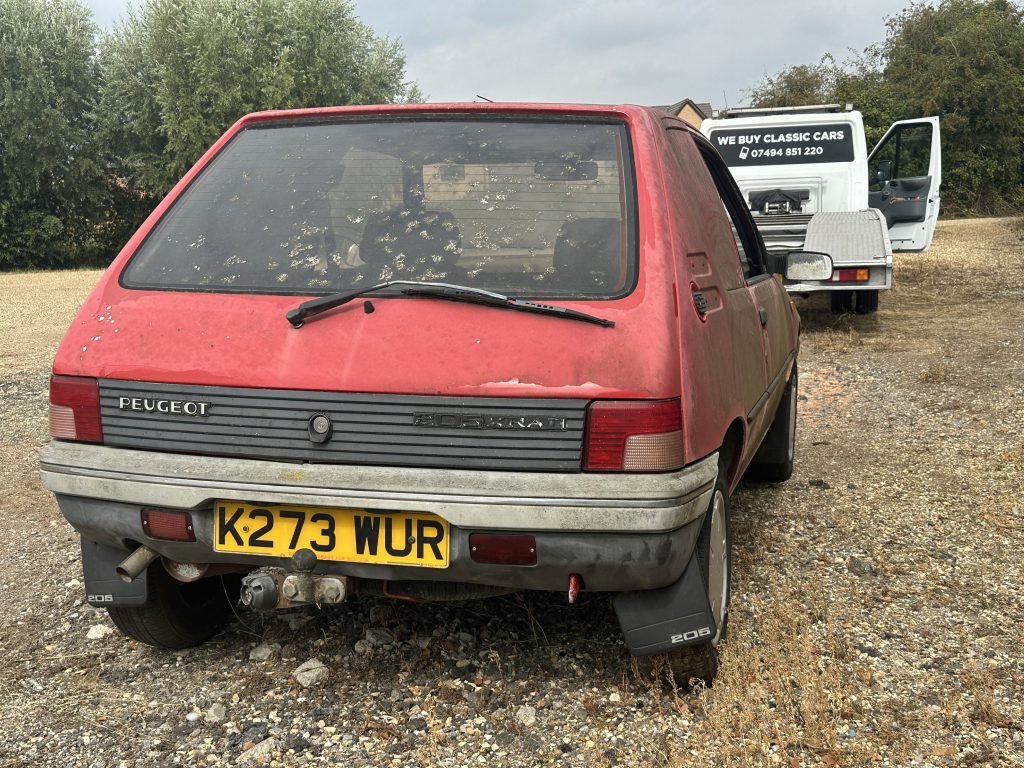
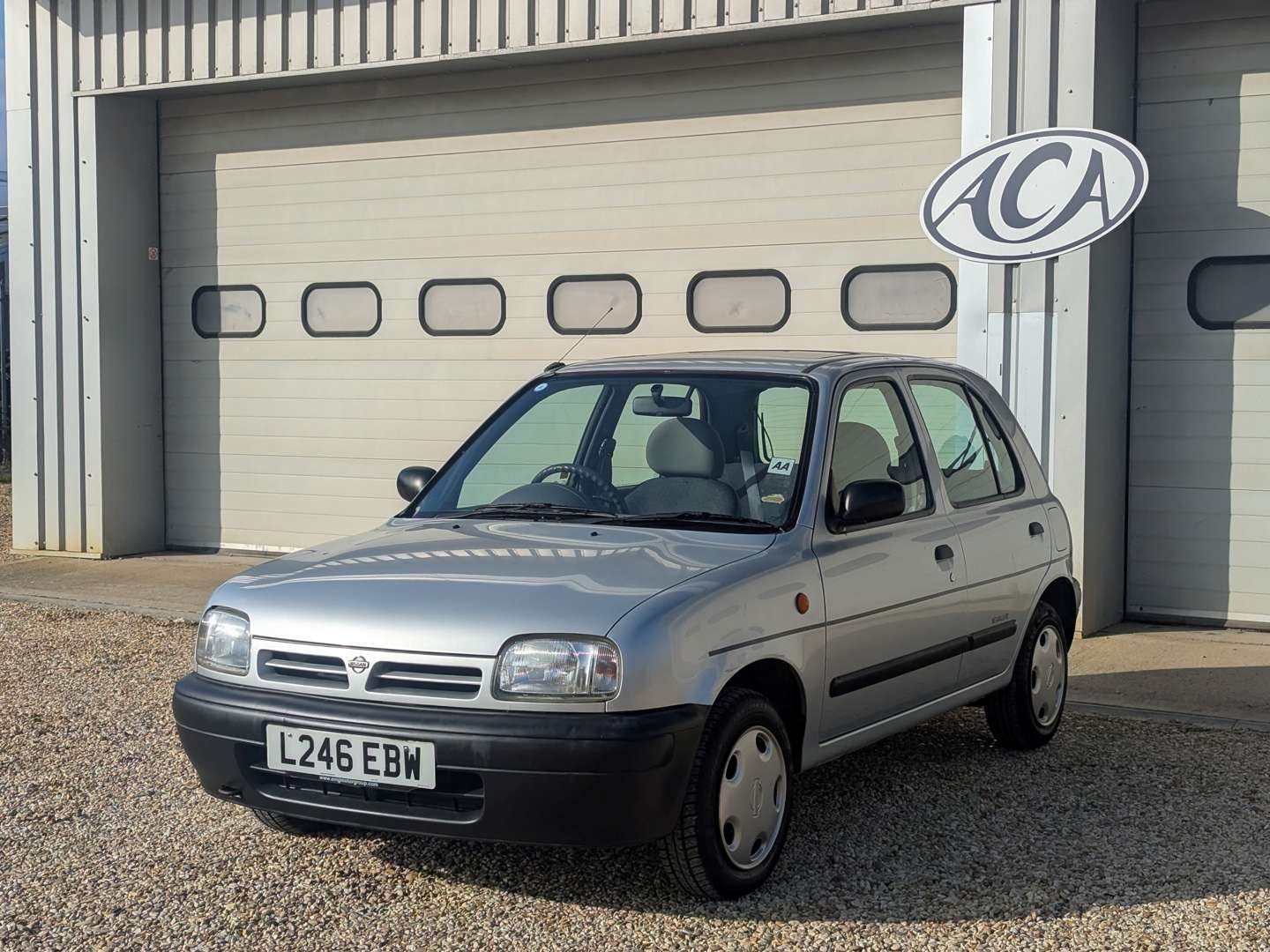
For example, K273 WUR has a K prefix, issued between 1st August 1992 and 31st July 1993.
Prefix
Start date
End date
A
1st August 1983
31st July 1984
B
1st August 1984
31st July 1985
C
1st August 1985
31st July 1986
D
1st August 1986
31st July 1987
E
1st August 1987
31st July 1988
F
1st August 1988
31st July 1989
G
1st August 1989
31st July 1990
H
1st August 1990
31st July 1991
J
1st August 1991
31st July 1992
K
1st August 1992
31st July 1993
L
1st August 1993
31st July 1994
M
1st August 1994
31st July 1995
N
1st August 1995
31st July 1996
P
1st August 1996
31st July 1997
R
1st August 1997
31st July 1998
S
1st August 1998
28th February 1999
T
1st March 1999
31st August 1999
V
1st September 1999
29th February 2000
W
1st March 2000
31st August 2000
X
1st September 2000
28th February 2001
Y
1st March 2001
31st August 2001
Our Peugeot 205 displaying a K-prefix registration, corresponding to 1st August 1992–31st July 1993.
Why Did Registration Letters Start Changing Twice a Year?
In 1999, registration changes moved to 1st March and 1st September, helping to spread new-car sales more evenly throughout the year.
The S prefix was the final August release before the twice-yearly system began with T on 1st March 1999.
Modern UK Number Plate Years (2001–Present)
The current registration format began on 1st September 2001.
It uses two letters identifying the registration area, two numbers indicating the registration period and three additional letters.
For example, AB26 CDE has a 26 identifier, corresponding to 1st March–31st August 2026.
Identifier
Start date
End date
51
1st September 2001
28th February 2002
02
1st March 2002
31st August 2002
52
1st September 2002
28th February 2003
03
1st March 2003
31st August 2003
53
1st September 2003
29th February 2004
04
1st March 2004
31st August 2004
54
1st September 2004
28th February 2005
05
1st March 2005
31st August 2005
55
1st September 2005
28th February 2006
06
1st March 2006
31st August 2006
56
1st September 2006
28th February 2007
07
1st March 2007
31st August 2007
57
1st September 2007
29th February 2008
08
1st March 2008
31st August 2008
58
1st September 2008
28th February 2009
09
1st March 2009
31st August 2009
59
1st September 2009
28th February 2010
10
1st March 2010
31st August 2010
60
1st September 2010
28th February 2011
11
1st March 2011
31st August 2011
61
1st September 2011
29th February 2012
12
1st March 2012
31st August 2012
62
1st September 2012
28th February 2013
13
1st March 2013
31st August 2013
63
1st September 2013
28th February 2014
14
1st March 2014
31st August 2014
64
1st September 2014
28th February 2015
15
1st March 2015
31st August 2015
65
1st September 2015
29th February 2016
16
1st March 2016
31st August 2016
66
1st September 2016
28th February 2017
17
1st March 2017
31st August 2017
67
1st September 2017
28th February 2018
18
1st March 2018
31st August 2018
68
1st September 2018
28th February 2019
19
1st March 2019
31st August 2019
69
1st September 2019
29th February 2020
20
1st March 2020
31st August 2020
70
1st September 2020
28th February 2021
21
1st March 2021
31st August 2021
71
1st September 2021
28th February 2022
22
1st March 2022
31st August 2022
72
1st September 2022
28th February 2023
23
1st March 2023
31st August 2023
73
1st September 2023
29th February 2024
24
1st March 2024
31st August 2024
74
1st September 2024
28th February 2025
25
1st March 2025
31st August 2025
75
1st September 2025
28th February 2026
26
1st March 2026
31st August 2026
76
1st September 2026
28th February 2027
March registrations use the final two digits of the year. September registrations add 50.
For example, 26 identifies March–August 2026, while 76 identifies September 2026–February 2027.
Dateless Number Plates Explained
Britain’s original vehicle registration system began in 1904. These early registrations had no year identifier and are therefore described as dateless.
Examples include AB 1234, ABC 123 and 1234 AB.
The letters generally identified the issuing authority, while the numbers formed part of the registration sequence.
A dateless plate cannot be dated from its format alone, although historical records can help establish when the number was originally issued.
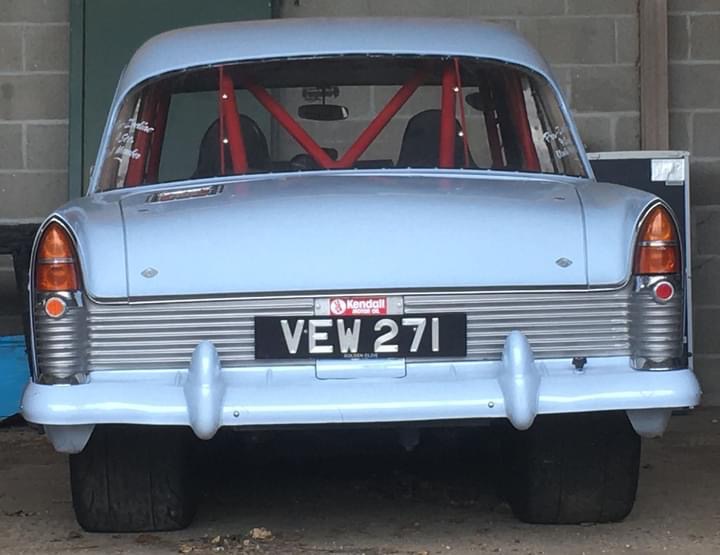
VEW 271 is a dateless registration from a sequence originally issued by Huntingdon Licensing Authority in 1959.
Were Dateless Number Plates Still Issued After 1963?
Yes. Dateless registrations continued to be issued after suffix plates were introduced.
The A suffix appeared in February 1963, but the system was not compulsory until 1965. Different licensing authorities adopted it at different times.
For example, Bristol issued no A-suffix registrations and did not begin issuing B-suffix plates until September 1964.
Consequently, a vehicle first registered in 1963 or 1964 could legitimately have received a dateless number plate.
Northern Ireland has a separate dateless registration system, traditionally using combinations containing I or Z.
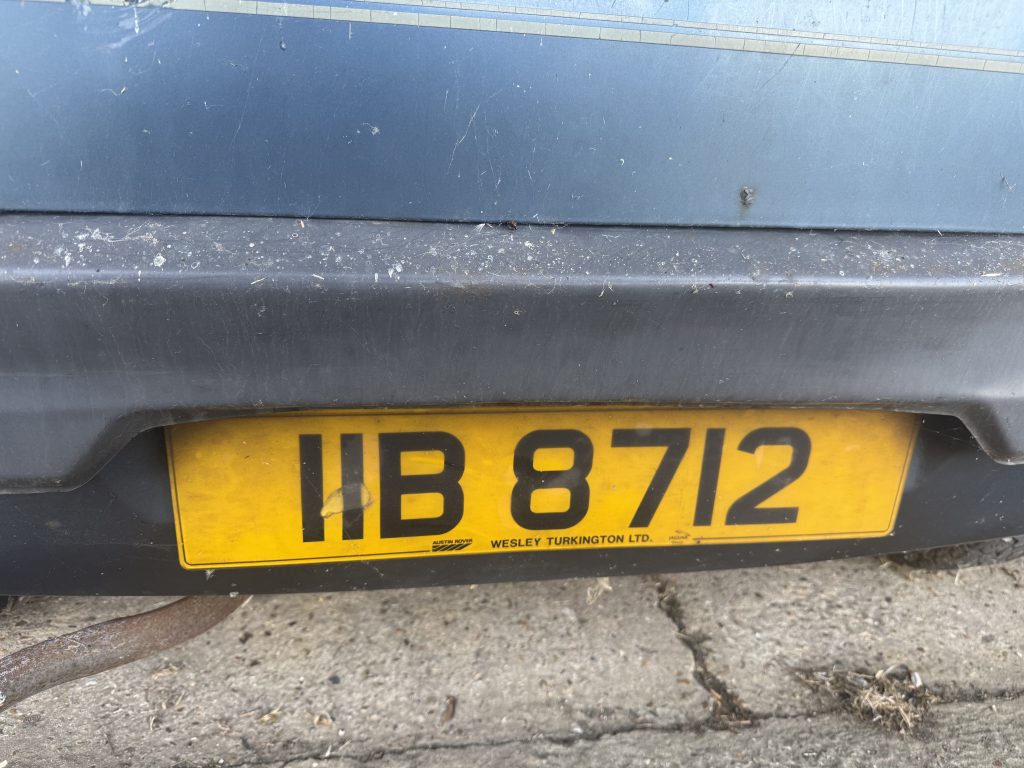
For example, IIB 8712 is a Northern Ireland-style registration with no year identifier.
IIB 8712 is a Northern Ireland-style dateless registration, with no year identifier.
Unlike mainland suffix, prefix and modern registrations, these numbers do not identify a vehicle’s age.
Northern Ireland-style registrations can also appear on vehicles elsewhere in the UK following permitted transfers.
Can an Imported Car Have a Number Plate That Makes It Look Newer?
Yes. Historically, some older imported vehicles legitimately received number plates that made them appear newer than they actually were.
Under earlier British registration practices, imported used cars could receive a current-year registration rather than one reflecting their original age.
This historical practice is no longer permitted when allocating registrations under today’s age-related system.
Under current DVLA guidance for imported vehicles, an age-appropriate registration is normally allocated using evidence of the original registration date or date of manufacture. If the age cannot be established, a Q or QNI registration may be issued.
Furthermore, a private number plate cannot legally be assigned if it makes a vehicle appear newer than it actually is.
A vehicle’s date of manufacture, original registration date and date of first UK registration can all be different. An older classic displaying a later registration is not necessarily incorrectly registered.
Can Number Plate Letters Identify the Original Issuing Office?
Yes. Many older British registration numbers contain letters identifying the local licensing authority that originally issued them.
On suffix registrations, the area code was generally formed by the final two letters of the three-letter group. On prefix registrations, it was generally the final two letters of the registration.
Modern registrations use their first two letters to identify the registration area.
These codes can help establish where a vehicle was first registered, although they do not necessarily show where it was manufactured, sold or subsequently kept.
An age-related registration may be allocated when sufficient evidence exists to establish an older vehicle’s age, even if its original registration number is no longer available.
A Q registration is different. DVLA issues Q plates when a vehicle’s age or identity cannot be satisfactorily established.
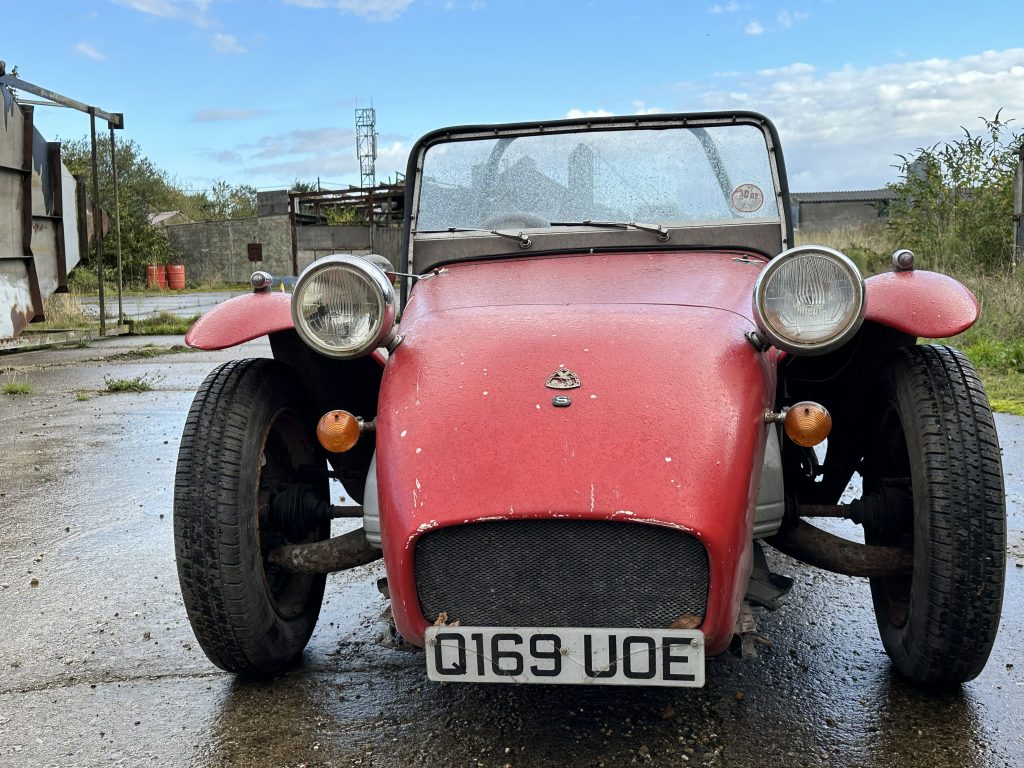
Q plates can be found on some kit cars, modified vehicles, imports and vehicles with uncertain histories. Not every vehicle in these categories receives one.
A Q plate does not identify a particular year and does not automatically mean a vehicle has been stolen, written off or improperly registered.
A Q registration on one of our vehicles. The letter Q does not identify a registration year.
Q registrations cannot be transferred between vehicles, and private registrations cannot be assigned to Q-registered vehicles. Northern Ireland also uses QNI registrations in relevant circumstances.
Can a Q-Plate Vehicle Be MOT Exempt?
Yes, in certain circumstances.
Q-registered vehicles normally require an MOT. However, under the Government’s historic vehicle criteria, an exception may apply where the vehicle qualifies for and is taxed in the historic class and has not been modified during the previous 30 years.
A Q plate does not automatically prevent historic vehicle status or MOT exemption, but neither should exemption be assumed simply because a vehicle is more than 40 years old.
An A-suffix registration was issued between 1st February and 31st December 1963. An A-prefix registration was issued between 1st August 1983 and 31st July 1984.
What Year Is an H-Reg Car?
An H-suffix registration was issued between 1st August 1969 and 31st July 1970. An H-prefix registration was issued between 1st August 1990 and 31st July 1991.
What Year Is a K-Reg Car?
A K-suffix registration dates from 1st August 1971 to 31st July 1972. A K-prefix registration dates from 1st August 1992 to 31st July 1993.
Why Are Some Registration Letters Missing?
I, O, Q, U and Z were not used as suffix or prefix year identifiers.
I and Z feature in Northern Ireland registration codes. O could be confused with zero, while Q has a separate purpose for vehicles of uncertain age or identity. U was also omitted.
An example of a Northern Ireland registration, IIB 8712, appears above.
Can a 1964 Car Have a Dateless Plate?
Yes. Suffix registrations were introduced in 1963 but were not compulsory until 1965. Some licensing authorities continued issuing dateless numbers during 1964.
Can an Imported Classic Car Have a Newer Registration?
Yes. Historically, imported used vehicles could receive current-year registrations, making them appear newer than their manufacture date. Current DVLA rules instead provide for age-appropriate registrations supported by evidence.
Does a Number Plate Prove a Car’s Age?
No. It normally identifies a registration period, not necessarily the vehicle’s date of manufacture. Dateless plates have no year identifier, while imported vehicles and cars with replacement or private plates require particular care.
How Can I Check a Car’s Actual Registration Details?
For older vehicles, original paperwork, manufacturer records and historical registration documents may provide additional evidence.
Have a Classic Car to Sell?
Every vehicle pictured in this guide is one we’ve bought ourselves!
At UK Barn Finds, we don’t just research and document classic cars — we buy them too.
From cherished classics and forgotten family cars to barn finds, restoration projects and entire collections, we’re always interested in hearing what’s out there.
If you’re thinking of selling an older vehicle, we’d love to hear from you.
Get the best barn finds, projects and classic temptations direct to your inbox.
Related Posts
Discover More Classic Car Stories
Stay updated with the latest barn finds, auction news, and classic car adventures in our 'News & Waffle' section. Dive into rare discoveries, behind-the-scenes stories, and expert insights into the world of classic cars. Whether you’re a seasoned enthusiast or simply intrigued by the tales behind these treasures, this is your hub for all things classic and captivating.
Remember when these were everywhere? The Nissan Micra K11 was once such a familiar sight on British roads that most of us barely gave them a second glance. They were first cars, family runabouts, driving school favourites and dependable everyday transport. But more than three decades after the second-generation Micra arrived, are we beginning to [&...
Almost 75,000 visitors attended the 2026 Lancaster Insurance Classic Motor Show at Birmingham’s NEC, with visitor numbers increasing for another year. The three-day event, held from 13–15 November, welcomed 74,894 visitors, compared with 72,738 in 2025, an increase of almost 3%. More than 320 classic car clubs participated, displaying over 3,000 vehicles, while the weekend […]
What is it about these Mercedes SLs? It’s a question we’ve found ourselves asking more than once recently, particularly while filming Anglia Car Auctions’ inaugural Marketplace Classics sale at King’s Lynn on 26 September 2026. We’d already watched a 1994 Mercedes SL500 attract some remarkably enthusiastic bidding. Now another R129 was about to take ...