Some vehicles arrive at auction with an impressive competition history, a famous former owner or a particularly desirable specification.
Others simply make everybody smile.
The 1999 Daihatsu Midget II DE Deluxe that appeared at Anglia Car Auctions in August certainly fell into the latter category.
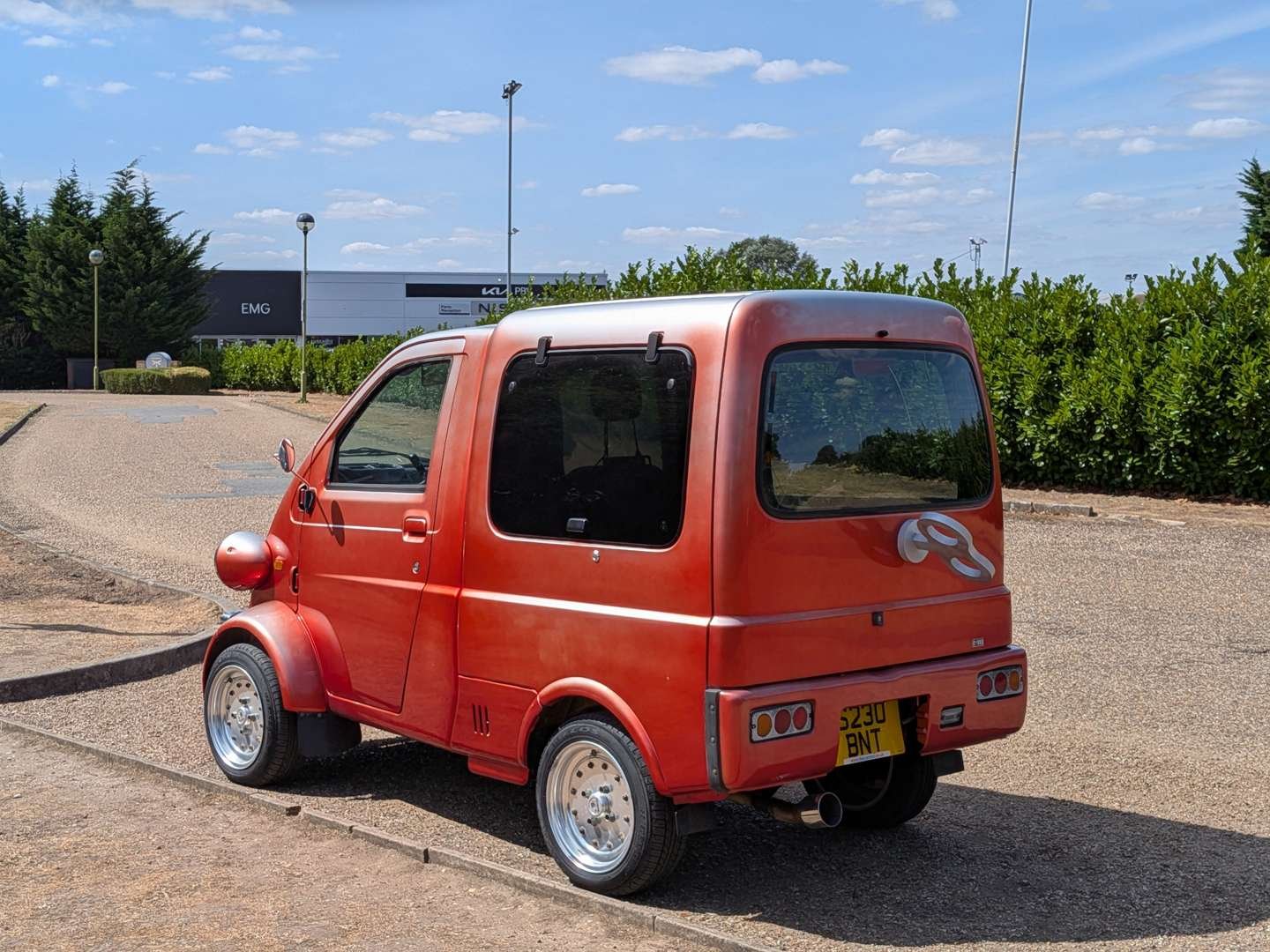
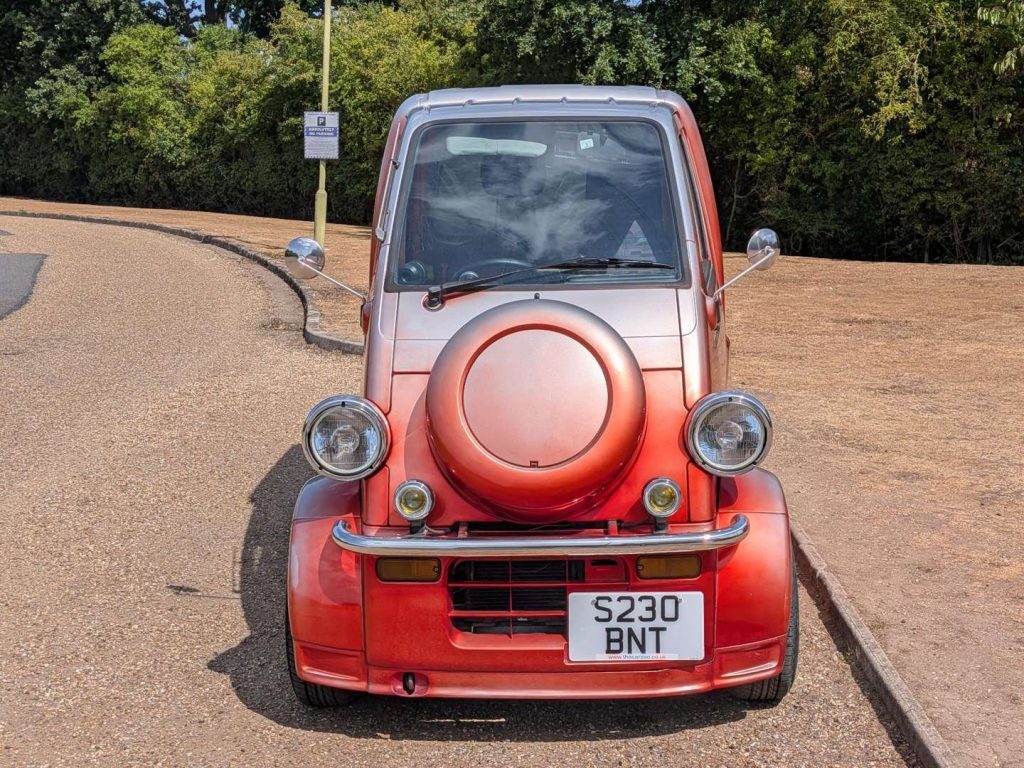
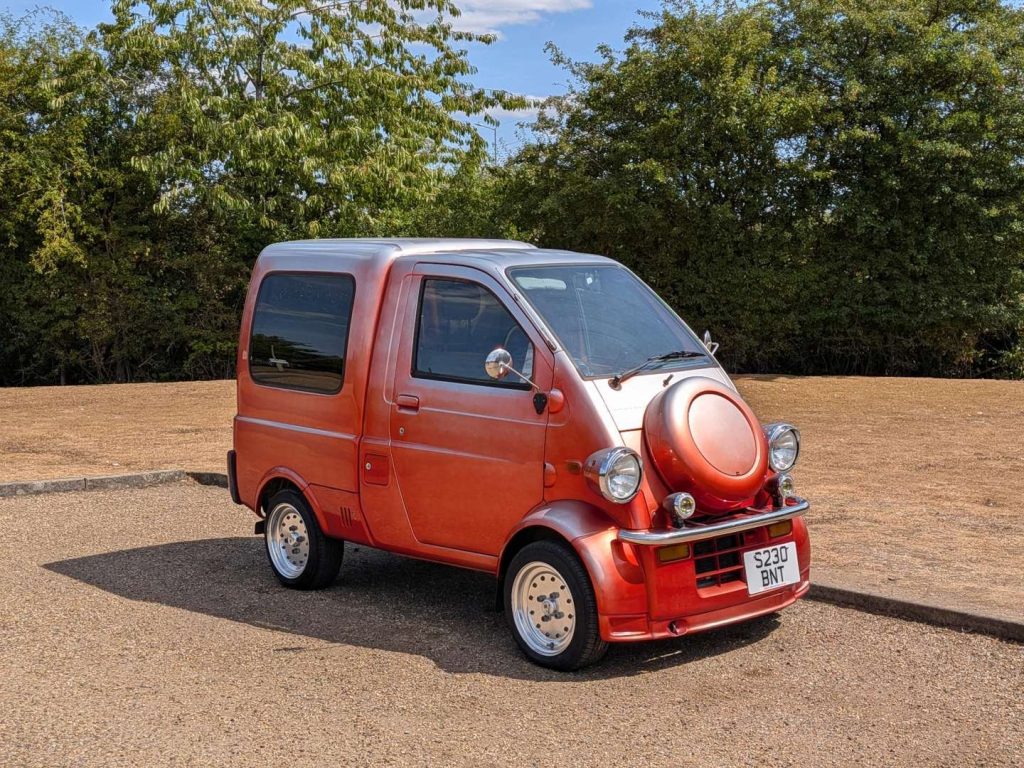
With its enormous round headlights, spare wheel mounted on the nose and impossibly compact proportions, it looked rather like something that had escaped from a children’s television programme.
And that was before we spotted the enormous wind-up key attached to the back!
We couldn’t resist filming it going under the hammer. But what happened next provided an interesting reminder that not every vehicle attracts competitive bidding on the day — and an auction house’s work doesn’t necessarily end when the auctioneer moves on to the next lot.
What Exactly Is a Daihatsu Midget II?
Japan has a wonderful tradition of producing small, ingenious vehicles, many of which were designed to meet the country’s kei vehicle regulations.
The Daihatsu Midget II is one of the more unusual examples.
The original Daihatsu Midget appeared in the 1950s as a tiny three-wheeled commercial vehicle, intended to provide economical transport for small businesses.
Decades later, Daihatsu revived the name with a completely different machine.
First shown as a concept at the 1993 Tokyo Motor Show, the Midget II eventually entered production in the 1990s.
This time it had four wheels, although its tiny dimensions and distinctive styling retained much of the original Midget’s character.
It was designed primarily for Japanese urban environments, where narrow streets, limited parking and short delivery journeys made a compact commercial vehicle particularly useful.
The Midget II was available in different configurations, including versions with a small load bed and enclosed van bodies.
It was never intended to be a motorway cruiser or a conventional family car.
Instead, it offered something rather more entertaining: an exceptionally compact vehicle capable of tackling everyday transport duties while occupying remarkably little road space.
And judging by the reaction it received at King’s Lynn, it still has the ability to attract attention nearly three decades later.
A Metallic Orange Midget With a Wind-Up Key!
The example offered by Anglia Car Auctions was a 1999 Daihatsu Midget II DE Deluxe, registered S230 BNT.
Finished in metallic orange, it had the enclosed body and two-seat cabin, together with a 660cc automatic drivetrain.
The front-mounted spare wheel is one of the model’s most recognisable features, giving it an almost cartoon-like face.
But this particular vehicle had another amusing addition.
Attached to the rear was an enormous decorative wind-up key, making it look like a clockwork toy. It’s a wonderful detail.
The little Daihatsu was also fitted with distinctive alloy wheels, while its bright paintwork made it particularly eye-catching.
According to the auction catalogue, it had recently been imported from Japan.
The vendor described the underside as exceptionally clean and rust-free, while the recorded mileage was just 7,905 kilometres, approximately 4,818 miles, which was believed to be genuine.
Naturally, those were the vendor’s claims rather than findings from an independent inspection.
The catalogue also suggested that the Midget II could make an excellent promotional vehicle or even a mobile coffee shop.
We can certainly see the appeal.
Imagine turning up at a classic car show in one of these. You might find yourself attracting more attention than some of the considerably more expensive machinery parked alongside!
Would Anybody Actually Bid on It?
The Daihatsu was Lot 282 in Anglia Car Auctions’ sale on 22 August 2026, carrying an estimate of £4,000 to £6,000.
As auctioneer Carl prepared to offer it, we couldn’t resist borrowing a line from Philomena Cunk:
‘What the **** is this?!’
It was said with affection, of course. The little Daihatsu had made us smile from the moment we saw it.
But an unusual vehicle can be difficult to predict at auction.
Some buyers might see a delightful piece of Japanese automotive eccentricity. Others might wonder what on earth they would do with it.
Carl gave the Midget II plenty of opportunity to attract further interest.
Unfortunately, the response wasn’t quite what we’d hoped.
Nobody in the room raised a hand, and no additional bids arrived over the internet.
There was, however, a provisional commission bid of £4,500.
Despite its unusual appearance and obvious charm, the little Daihatsu failed to generate any competition during the live auction.
It was a rather subdued moment for such an entertaining vehicle.
But the provisional bid meant the story wasn’t necessarily over.
We’ve condensed the proceedings into a short video, including our commentary and the eventual outcome.
Watch what happened when the Daihatsu Midget II went under the hammer:
No Bids in the Room — But the Daihatsu Still Sold
Although nobody in the room or online came forward with a competing bid, the Midget II did have a provisional commission bid of £4,500.
That bid was subsequently accepted, with the published result reaching £4,860 including the buyer’s premium.
The hammer figure was comfortably within the auction estimate of £4,000 to £6,000.
And it illustrates something important about how classic vehicle auctions operate.
A lack of competitive bidding during the live auction doesn’t necessarily mean a vehicle won’t sell.
Commission bids allow buyers who aren’t actively participating in the room or online to make offers, while provisional sales can require further discussion or confirmation before a transaction is completed.
In this instance, the Daihatsu found a buyer without attracting any competing bids during its appearance in the auction room.
It wasn’t the bidding battle we’d hoped for, but it was a successful outcome for this wonderfully unusual little vehicle.
The Auctioneer’s Work Doesn’t End With the Gavel
When people watch a classic car auction, they naturally concentrate on the bidding.
The auctioneer invites offers, the price rises and eventually the hammer falls.
But that is only the most visible part of the process.
There is considerable work involved in preparing vehicles for auction, attracting potential buyers, answering enquiries and helping vendors understand the market.
And sometimes, just as importantly, there is work to be done afterwards.
A vehicle might fail to reach its reserve. A potential buyer might be interested but unwilling to bid at the advertised level. Or, as with this Daihatsu, there might be a commission bid but no competition during the live auction.
That doesn’t necessarily mean there is no market for the vehicle.
An auction house may be able to follow up enquiries, discuss offers with the vendor or negotiate a sale after the auction.
Every situation is different, and the outcome will depend on the seller’s expectations, the level of interest and whether a mutually acceptable figure can be agreed.
There’s another important point here, too.
The response to an auction can provide valuable information about what buyers are prepared to pay for a particular vehicle at that moment.
A seller might have a figure in mind based on previous advertisements, asking prices or the rarity of their vehicle.
But an auction brings that vehicle before an audience of potential buyers, many of whom are actively looking to purchase.
If the bidding falls short of expectations, or there is little competition for a vehicle, that can be useful feedback.
It doesn’t automatically establish what a vehicle is worth in every market or under every set of circumstances. Timing, presentation, publicity and the particular buyers following a sale can all influence the outcome.
Nevertheless, it provides a real-world indication of demand at that point in time.
And sometimes, with a little further discussion, a deal can still be done.
That’s why we think it’s important to document these quieter auction moments alongside the spectacular bidding battles and record-breaking results.
They are all part of understanding the classic vehicle market.
A Happy Ending for a Very Unusual Little Daihatsu
We’re delighted that the Midget II’s provisional commission bid ultimately resulted in a sale.
It might not have generated a bidding war, but it certainly provided some entertainment.
From its tiny dimensions and distinctive front-mounted spare wheel to that enormous clockwork key on the back, this is a vehicle with personality in abundance.
And although it attracted no competing bids during the live auction, its eventual sale demonstrated that the story doesn’t always finish when the auctioneer moves on to the next lot.
For us, that’s part of what makes attending and filming classic car auctions so interesting.
Every vehicle has a story, and not every story follows the same script.
Would you have found a place for this wonderfully eccentric little Daihatsu? And what would you use it for?
Join our newsletter
Get the best barn finds, projects and classic temptations direct to your inbox.
Related Posts
Discover More Classic Car Stories
Stay updated with the latest barn finds, auction news, and classic car adventures in our 'News & Waffle' section. Dive into rare discoveries, behind-the-scenes stories, and expert insights into the world of classic cars. Whether you’re a seasoned enthusiast or simply intrigued by the tales behind these treasures, this is your hub for all things classic and captivating.
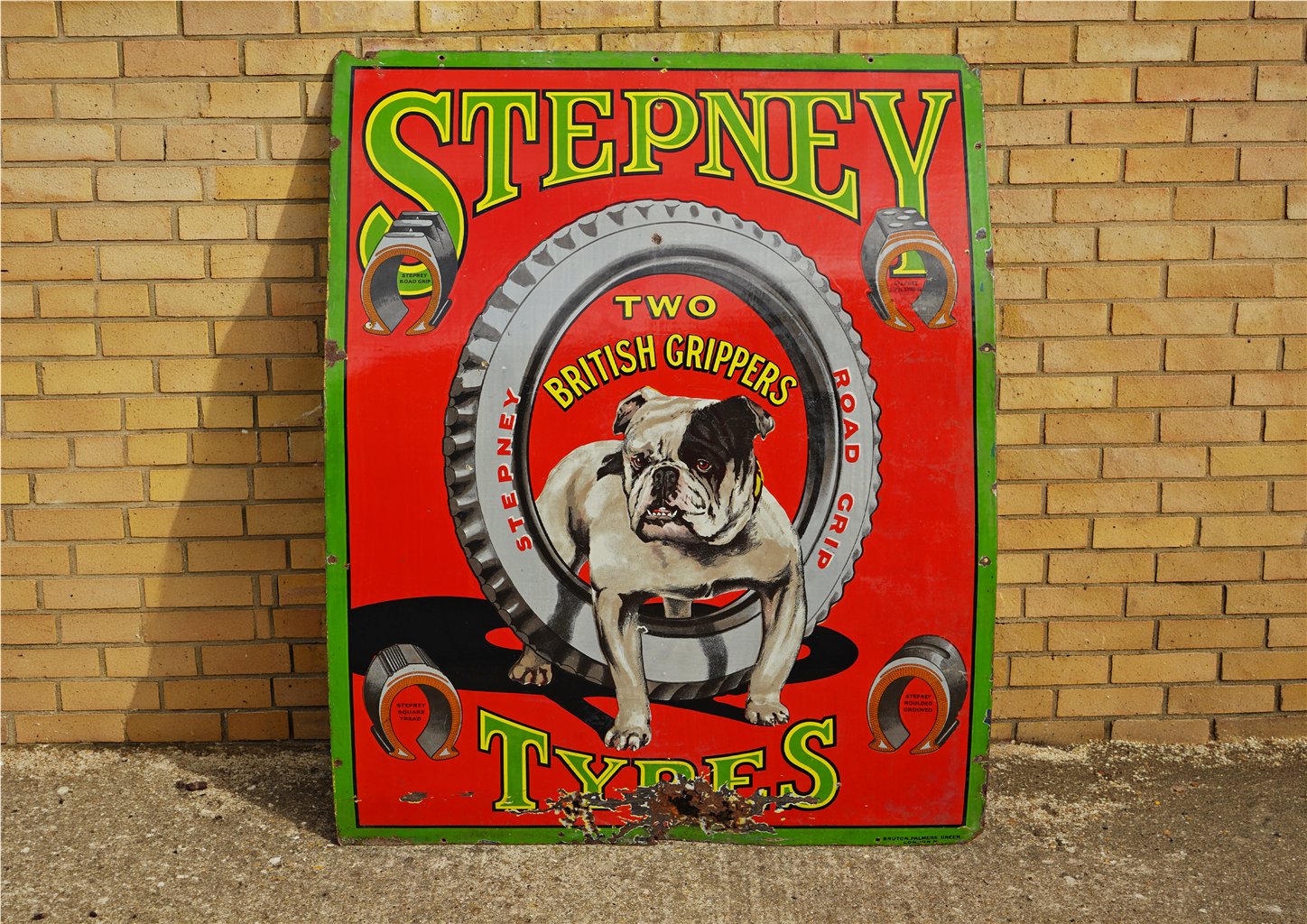
A huge 1920s Stepney Tyres enamel advertising sign is heading to auction at Cheffins this Saturday, 21 November 2026, just eight months after a similar sign sold for an astonishing £83,780 at the same auction house. That earlier result made headlines in March, when a five-foot by four-foot Stepney Tyres sign exceeded expectations to establish […]
British musician and fashion designer Skepta has collaborated with Land Rover Classic to create a one-off Defender Classic V8 Double Cab Pick-Up, combining the familiar shape of the original Defender with a highly personalised design. The project took 18 months to develop at JLR’s Classic Works facility in Ryton-on-Dunsmore, with Skepta working alongside the company’...
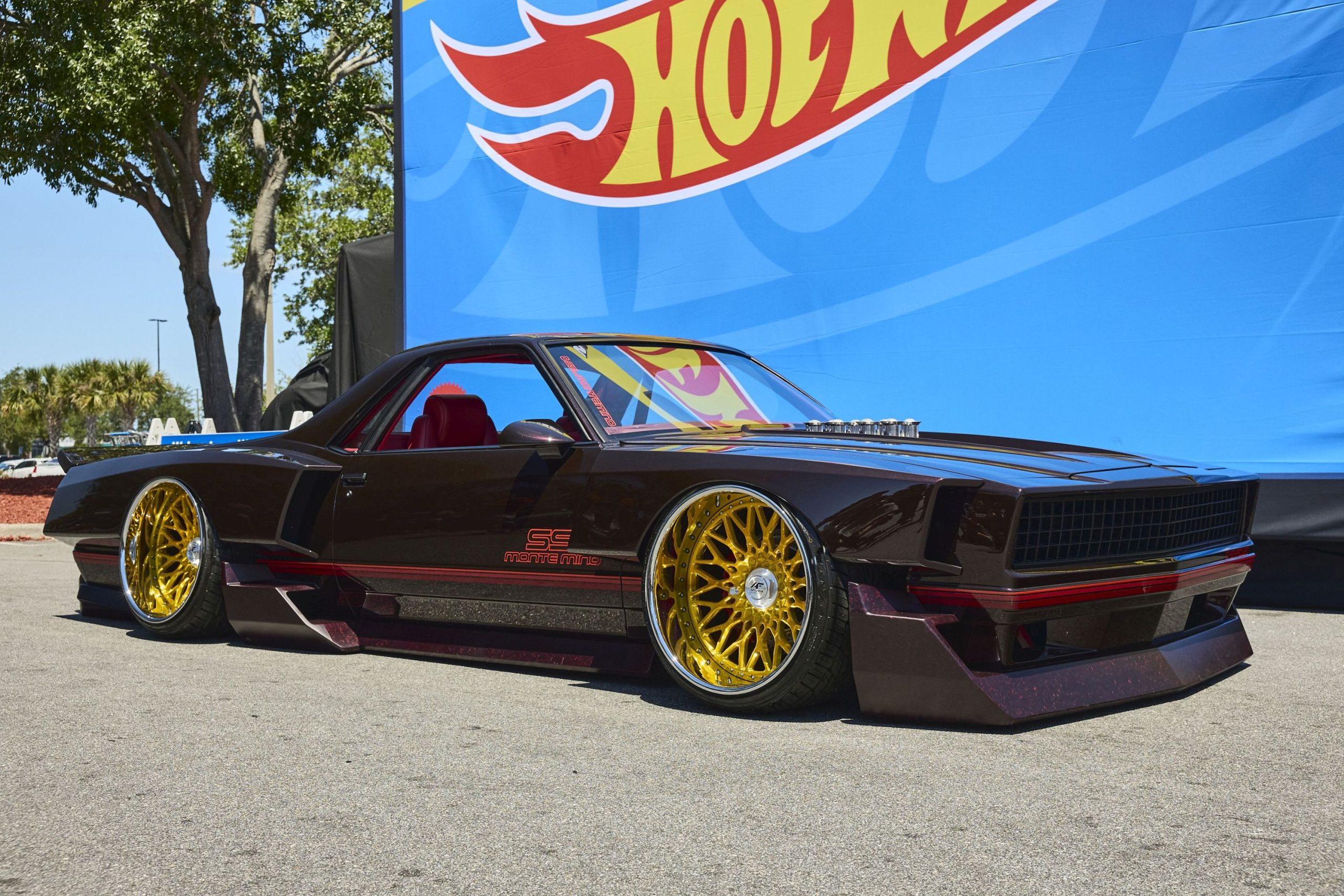
A heavily modified 1979 Chevrolet El Camino has beaten custom cars from around the world to win the 2026 Hot Wheels Legends Tour, earning its creator the chance to see his vehicle turned into an official Hot Wheels model. Built by Matt McEntegart of Tampa, Florida, the extraordinary creation, nicknamed the SS Monte Mino, was […]