The roads are rough, punctures are a constant possibility and motoring remains an expensive adventure rather than an everyday activity.
Now imagine making that journey without changing gear.
That’s precisely the sort of challenge Rolls-Royce undertook to demonstrate just how remarkable its motor cars had become.
And 120 years after the introduction of the Rolls-Royce 40/50 H.P., the manufacturer is celebrating the engineering achievements and personal stories that established the Silver Ghost as one of the most important cars in British motoring history.
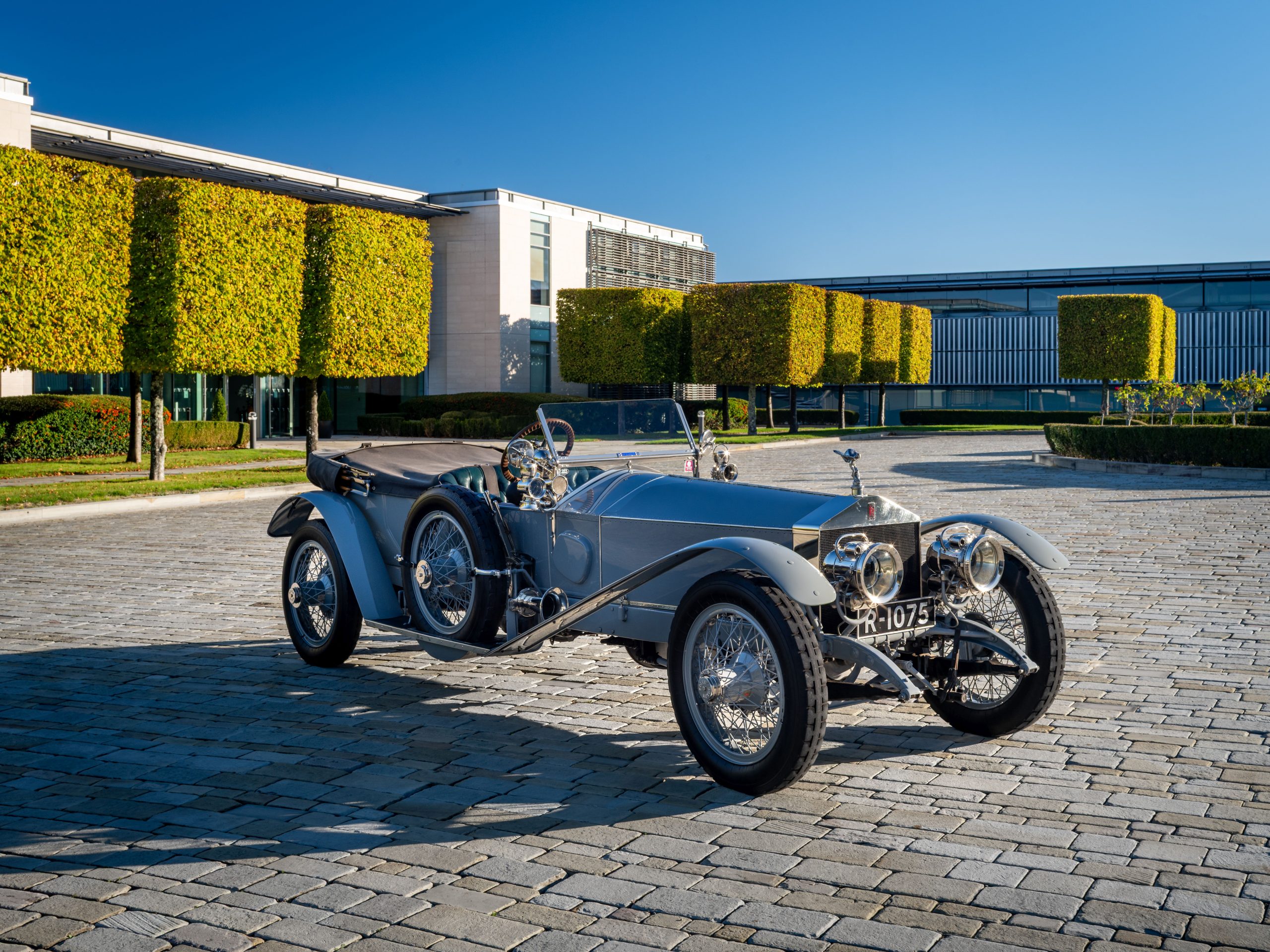
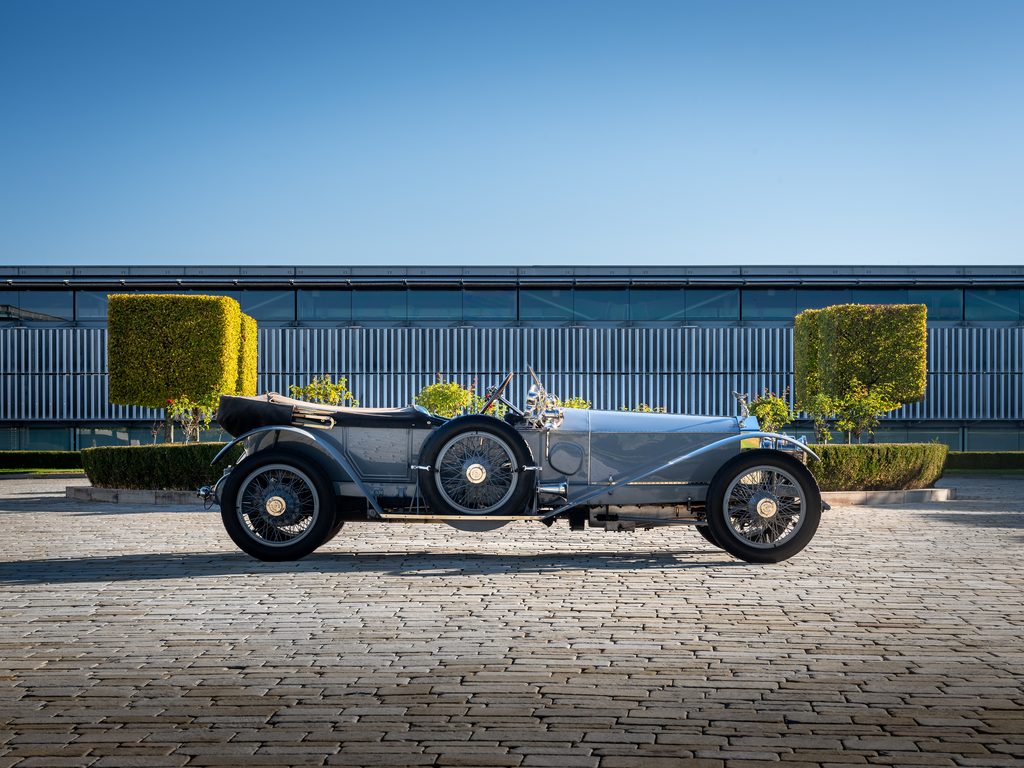
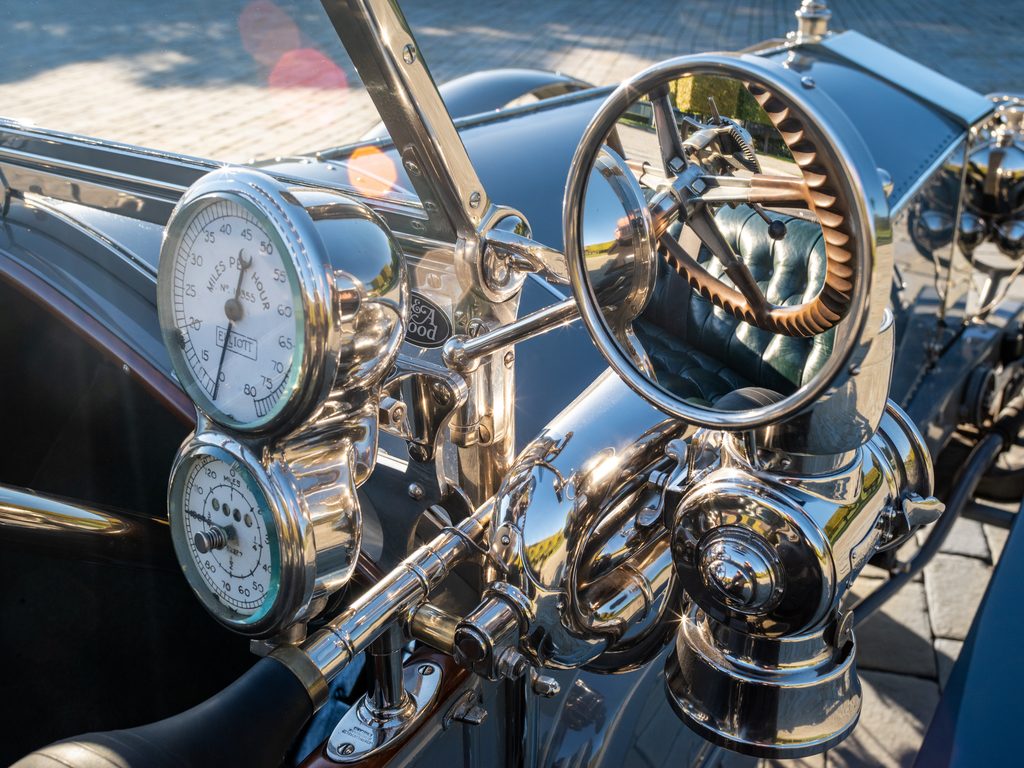
The very car that completed the remarkable 1911 journey, chassis 1701, has survived and is currently on display at the Home of Rolls-Royce at Goodwood. It’s also the car featured in the modern photographs accompanying this article.
Its history helps explain how a relatively young British manufacturer established a reputation that would endure for generations.
When Rolls-Royce Changed The Expectations Of Motoring
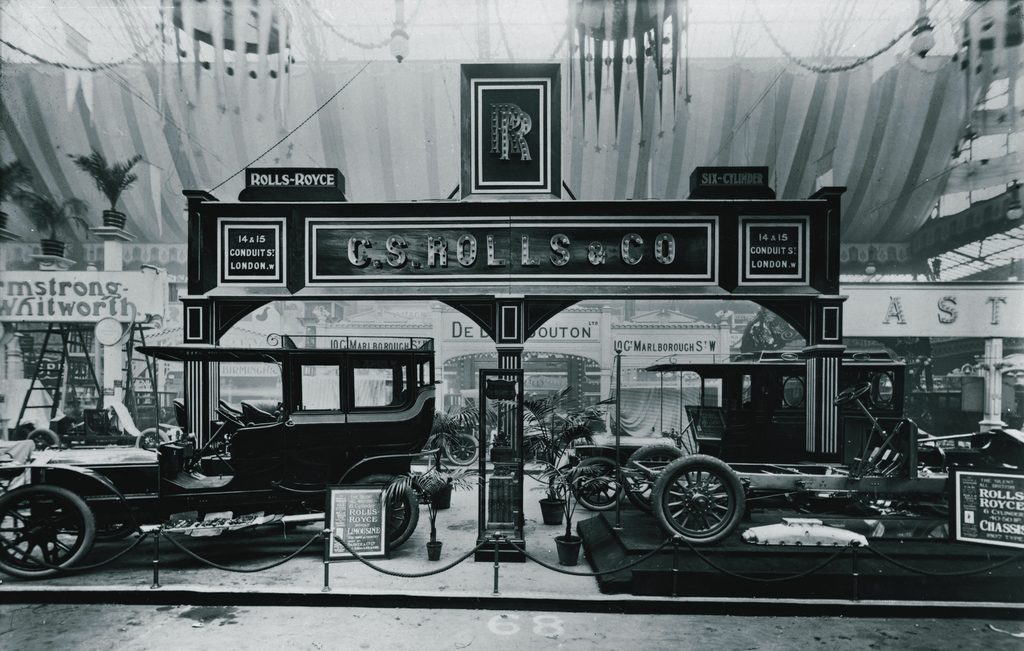
The 40/50 H.P. made its public debut at London’s Olympia Motor Show in November 1906.
At the time, the motor car was still a developing technology.
Mechanical breakdowns were common, roads were frequently unsuitable for fast or comfortable travel, and even an expensive car could demand considerable attention from its owner or chauffeur.
Henry Royce believed things could be done better.
His engineering philosophy placed exceptional importance on precision, refinement and mechanical dependability.
The new 40/50 H.P. featured a smooth-running six-cylinder engine and was designed to deliver a level of comfort and reliability that distinguished it from many contemporary machines.
But building an excellent motor car was only part of the challenge.
Rolls-Royce also had to convince potential customers that its claims were justified.
And that required rather more than an attractive showroom display.
How One Car Became The Silver Ghost
Here’s something that may surprise anyone familiar with the marque.
The Silver Ghost name didn’t originally describe every Rolls-Royce 40/50 H.P.
It began with one particular example.
Claude Johnson, Rolls-Royce’s first commercial managing director, understood the value of publicity and carefully planned demonstrations.
He gave individual cars memorable names, including chassis 60551.
Finished in silver paint and adorned with silver-plated fittings, it became known as The Silver Ghost.
The name suited the car’s appearance and its remarkably quiet running.
As the example became increasingly famous, other owners began referring to their own 40/50 H.P. models as Silver Ghosts.
Eventually, the nickname became inseparable from the entire model range.
It’s a fascinating example of successful early motor-car marketing.
A name created for a single vehicle became one of the most enduring identities in motoring history.
London To Edinburgh Without Changing Gear
Perhaps the most impressive demonstration of the Silver Ghost’s engineering took place in 1911.
Rolls-Royce prepared chassis 1701 for the London–Edinburgh Trial, with experimental test driver Ernest Hives at the wheel.
Rather than simply completing the journey, the company introduced an additional challenge.
The gearbox was locked in top gear.
That meant the car had to manage the route without the driver selecting lower ratios for hills or changing road conditions.
For an Edwardian motor car, it was an extraordinary test of engine flexibility.
Yet the Rolls-Royce completed the trial, averaging 19.59mph and achieving fuel consumption exceeding 24mpg.
Those figures need to be considered in the context of early twentieth-century roads and engineering, rather than compared directly with modern driving.
The achievement demonstrated that the car could combine impressive flexibility with considerable efficiency.
But the story didn’t end there.
Following the trial, chassis 1701 reached 78.2mph during a half-mile speed test.
Later that year, fitted with streamlined coachwork, it achieved 101.8mph at Brooklands.
It became the first Rolls-Royce to exceed 100mph.
The car was nicknamed The Sluggard by Claude Johnson, a wonderfully ironic name for a machine capable of such performance.
Today, this remarkable survivor is on display at the Home of Rolls-Royce at Goodwood.
The Reputation Was Built On More Than Speed
Rolls-Royce didn’t establish its reputation simply by producing fast cars.
In the early years of motoring, reliability could be just as impressive.
A breakdown during a long journey might involve hours of roadside repairs, uncertain access to replacement parts and considerable inconvenience.
For wealthy customers accustomed to travelling by railway, the appeal of a motor car that simply kept going was obvious.
The Silver Ghost’s successes in reliability trials and international competition helped build confidence in the marque.
Its achievements included the Scottish Reliability Trial, competition in Spain and the demanding Austrian Alpine Trial.
And the cars became increasingly desirable among influential owners.
They included aviation pioneer Tommy Sopwith, financier Alfred de Rothschild, composer Sir Hubert Parry and Sir Winston Churchill.
But some of the most interesting stories are considerably more personal.
The Silver Ghost Called The Dreamer
In Australia, Charles H. Angas gave his Silver Ghost an affectionate nickname.
He called it The Dreamer.
The reason wasn’t particularly complicated.
His wife apparently found the car so comfortable that she regularly fell asleep while travelling in it.
It’s a delightful little anecdote, particularly when you consider how uncomfortable many early motor cars could be.
Another notable owner was opera singer Dame Nellie Melba.
She took delivery of her 1911 Silver Ghost at London’s Ritz Hotel and subsequently used it in Britain, France and Australia.
For somebody whose professional life involved extensive travel, a comfortable and dependable motor car must have been particularly appealing.
These stories help explain why the Silver Ghost became more than an expensive piece of engineering.
For its owners, it was part of their everyday lives, their journeys and their personal histories.
The Car That Helped Introduce The Spirit Of Ecstasy
The Silver Ghost also played a role in the introduction of perhaps the most recognisable bonnet mascot in motoring.
The Spirit of Ecstasy was created by sculptor Charles Sykes and adopted as the official Rolls-Royce mascot in 1911.
According to Rolls-Royce, Lord Montagu of Beaulieu’s Silver Ghost was the first car to carry the famous figure.
The mascot would eventually become an internationally recognised symbol of the marque.
And like the Silver Ghost name itself, it remains a connection between the earliest Rolls-Royce motor cars and those built today.
Thousands Built, And Many Still Survive
The Rolls-Royce 40/50 H.P. remained in production from 1906 until 1925.
During that period, 6,173 examples were manufactured in Britain, with another 1,703 built at the company’s American factory in Springfield, Massachusetts.
The range accommodated an extraordinary variety of coachwork, from formal limousines to open touring bodies.
Each could be tailored to the requirements of its owner.
Some were destined for wealthy private customers, others for demanding official duties.
Silver Ghost chassis were even adapted for military service during the First World War, including armoured cars associated with T. E. Lawrence, better known as Lawrence of Arabia.
Today, surviving Silver Ghosts remain an important part of the historic motoring world.
And some are still driven surprisingly considerable distances.
In 2013, 47 Silver Ghosts retraced the approximately 1,800-mile route associated with the 1913 Alpine Trial.
Then, in 2021, chassis 1701 repeated its famous London–Edinburgh journey, once again travelling with its gearbox locked in top gear.
More than a century after its original achievement, the car was still demonstrating the capabilities that had made it famous.
Why The Silver Ghost Still Matters
It’s easy to admire an Edwardian Rolls-Royce for its polished metalwork, beautiful coachwork and extraordinary attention to detail.
But perhaps the more significant achievement was changing what people believed a motor car could do.
In an era when motoring could be uncomfortable and unreliable, Henry Royce helped establish a new standard of mechanical refinement.
And Claude Johnson ensured the world knew about it.
One hundred and twenty years later, the original 40/50 H.P. remains a powerful reminder of the ingenuity, ambition and craftsmanship of early British motor manufacturing.
For us, though, it’s the individual stories that really bring the cars to life.
The London–Edinburgh journey without a gear change.
The famous owner who took delivery at the Ritz.
The Australian couple whose Rolls-Royce became known as The Dreamer.
And the surviving cars that are still being driven more than a century after leaving the factory.
They remind us that even the most prestigious motor cars were built to be used.
And behind every important classic lies a history worth preserving.
Join our newsletter
Get the best barn finds, projects and classic temptations direct to your inbox.
Related Posts
Discover More Classic Car Stories
Stay updated with the latest barn finds, auction news, and classic car adventures in our 'News & Waffle' section. Dive into rare discoveries, behind-the-scenes stories, and expert insights into the world of classic cars. Whether you’re a seasoned enthusiast or simply intrigued by the tales behind these treasures, this is your hub for all things classic and captivating.
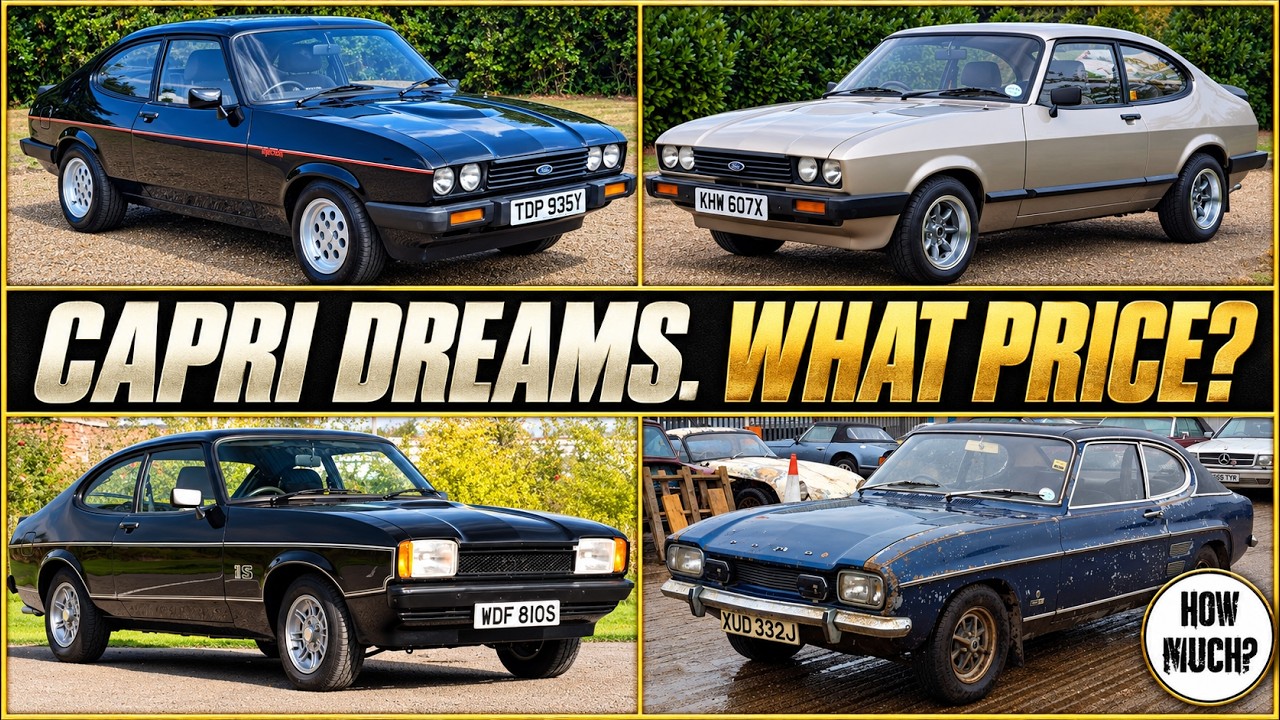
Four Ford Capris, four very different cars and four opportunities to discover what buyers are actually prepared to pay. From an early Mk1 restoration project to a beautifully restored 3.0 S, the results offer a fascinating look at the classic Ford market. We’ve brought together four examples from our original auction footage, filmed at Anglia [&...
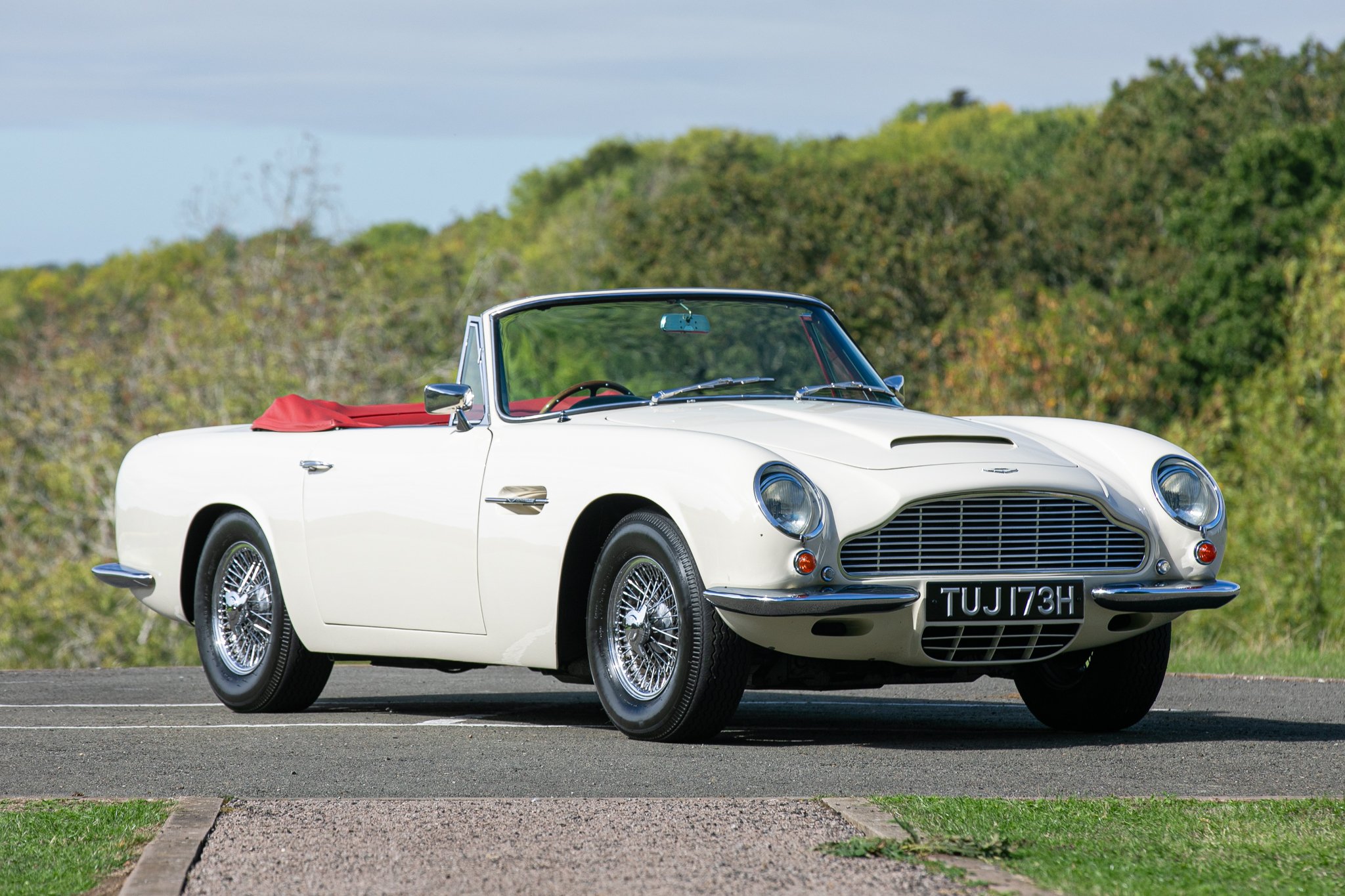
It’s not every day that a classic Aston Martin can claim to have helped shape the future of the motor car, only to return to its original six-cylinder petrol engine. But that’s exactly what happened to this remarkable 1970 Aston Martin DB6 Mk2 Volante. One of just 38 examples built, it was selected by Aston [&...
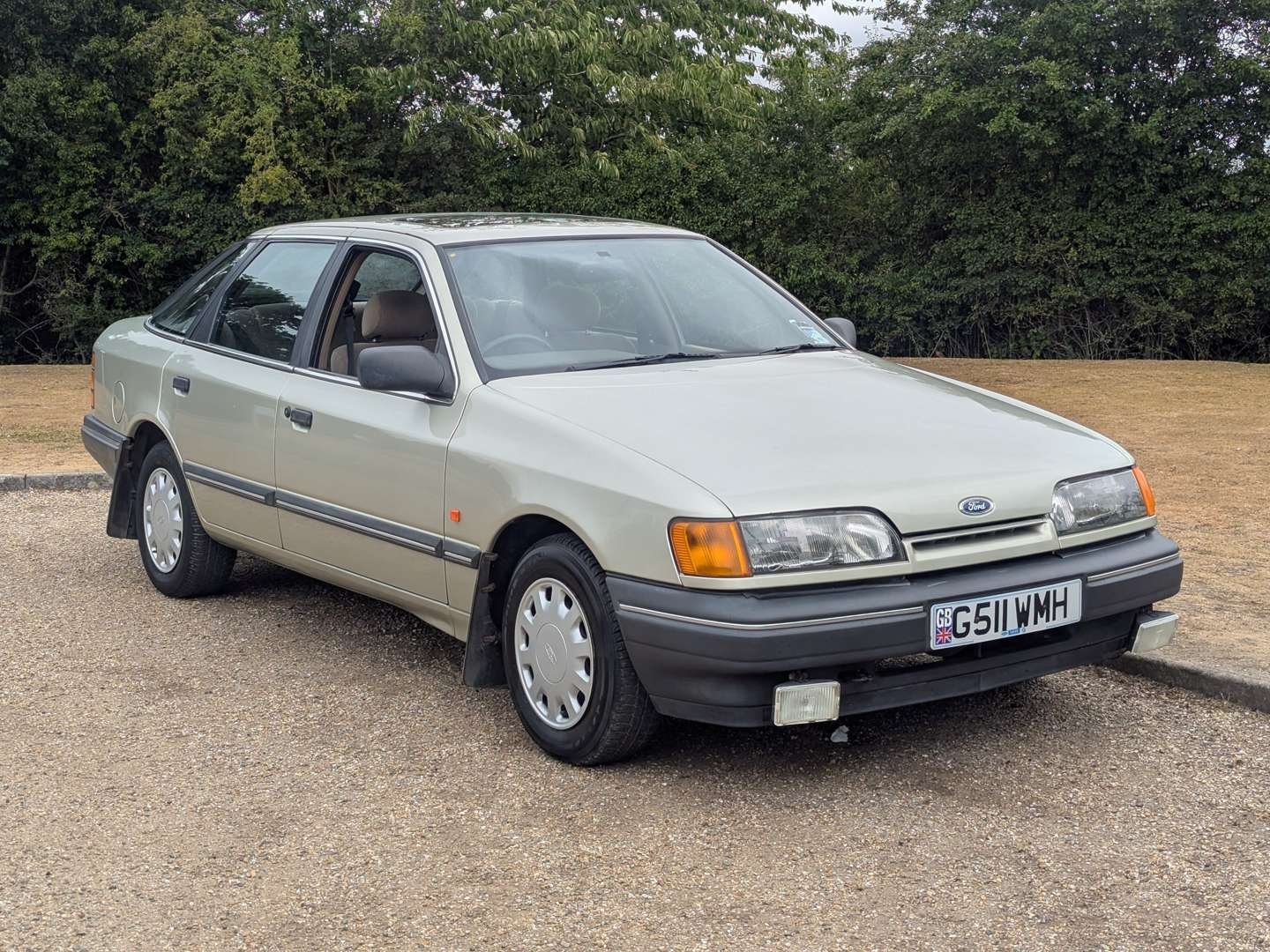
There was a time when cars like this Ford Granada were everywhere. They were company cars, family cars, motorway cruisers and, later in life, sometimes taxis or minicabs. They weren’t particularly exciting, but they were comfortable, practical and just a little bit aspirational. And that’s probably why so few ordinary examples seem to ...