Some links in this article are affiliate links and may earn UK Barn Finds a commission.
It’s often the things that come with an old car that make buying it really interesting.
Our recently purchased 1970 Triumph Spitfire Mk3 is a perfect example.
We didn’t simply buy a little blue sports car.
It came with a shed full of spares, old parts, literature and all the miscellaneous bits and pieces that somebody accumulates after years of owning and maintaining classic cars.
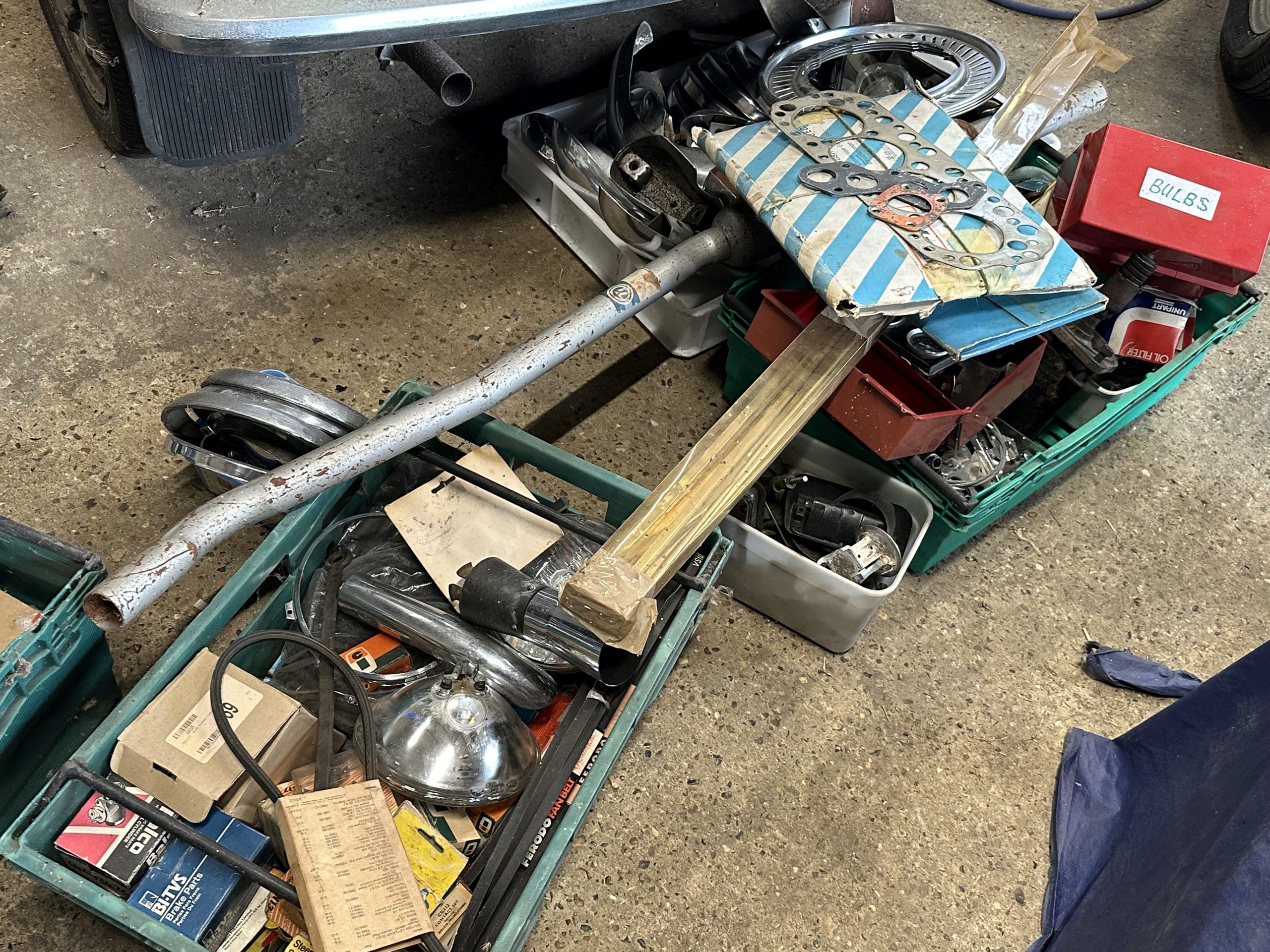
There’s a mixture of Triumph Spitfire and MGB Roadster parts in there, and we’re still sorting through it all.
Some has already been put away.
The rest is currently spread across crates waiting for us to work out exactly what we’ve got.
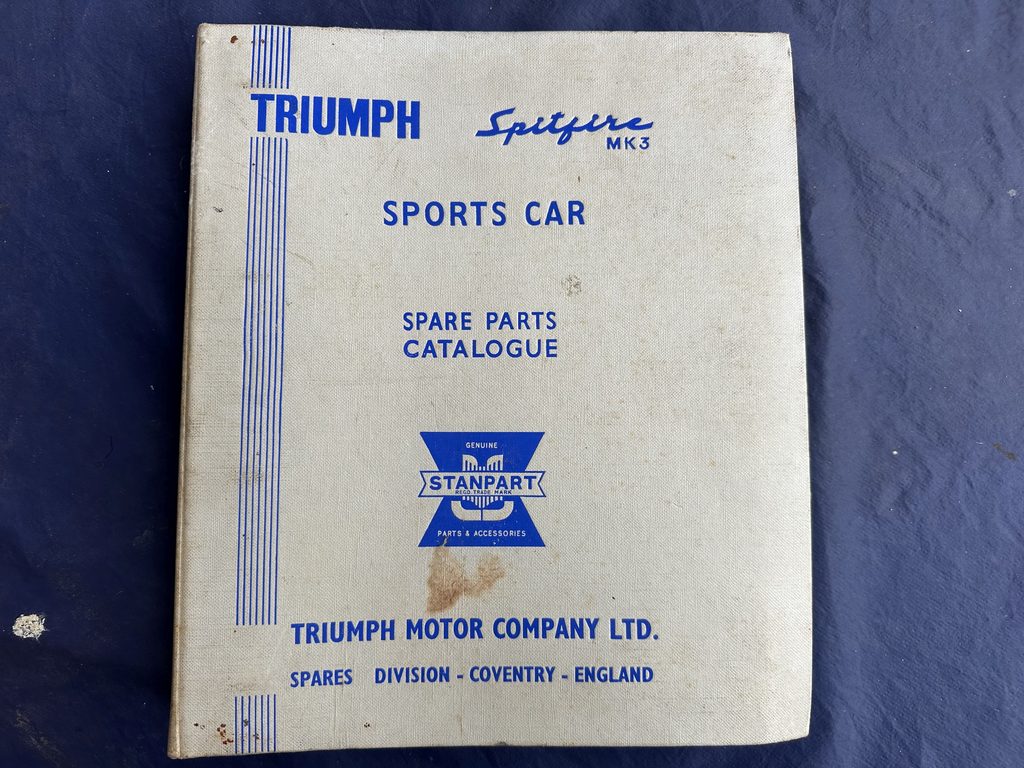
And buried among it was something we particularly liked: an original Triumph Spitfire Mk3 Spare Parts Catalogue.
More Than Just An Old Manual
At first glance, it’s simply an old ring-bound book.
Look inside and it becomes much more interesting.
The cover identifies it as a Triumph Spitfire Mk3 Sports Car Spare Parts Catalogue, produced by Standard-Triumph Sales Ltd in Coventry and carrying the familiar Genuine Stanpart Parts & Accessories branding.
This is the Third Edition, and the catalogue number is 516282, a reference still used by Triumph specialists when identifying original Mk3 Spitfire parts literature.
That alone gives the book some historical interest, but its real value is in what’s inside.
Before You Could Just Search Online
Today, if you need a brake cylinder, switch or piece of trim for an old Triumph, you can type a description into Google and have dozens of possibilities in front of you within seconds.
When this catalogue was current, things worked rather differently.
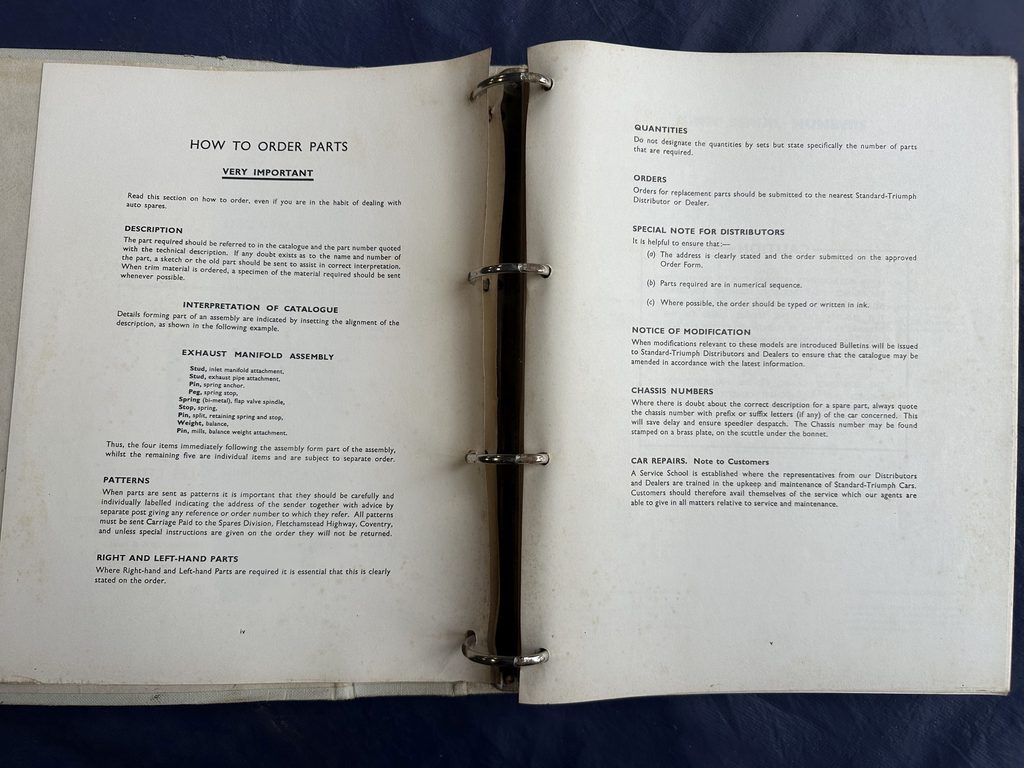
The opening pages explain how parts were supposed to be ordered.
Owners and dealers needed to identify the required component in the catalogue, note the correct part number and provide the relevant vehicle information.
The book even stresses the importance of specifying quantities and part numbers accurately.
There was no registration-number lookup.
No online exploded diagram.
No search box.
This was the search engine.
The Exploded Diagrams Are Fantastic
The real joy comes when you start turning the pages.
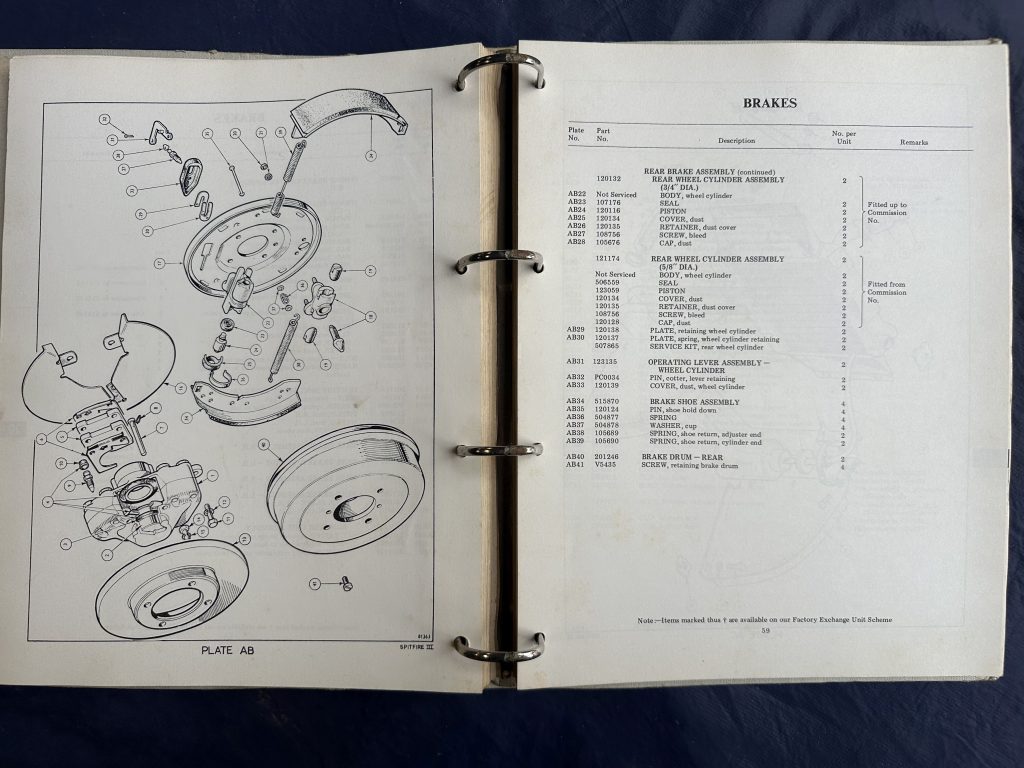
Assemblies are broken down into beautifully clear exploded illustrations, with each individual component numbered and matched to its corresponding Triumph part number.
The brake pages, for example, separate the drums, cylinders, shoes, springs, adjusters, backplates and associated fittings.
Elsewhere you’ll find the instruments and electrical components similarly dismantled on paper.
For somebody restoring a Mk3 Spitfire, that can still be extremely useful.
Even where an original component is obsolete or its part number has subsequently been superseded, knowing the factory number gives you a very strong starting point for identifying what should actually be there.
Modern Triumph specialists still work extensively with original and superseded part numbers for precisely that reason.
It Even Shows You Where To Find The Numbers
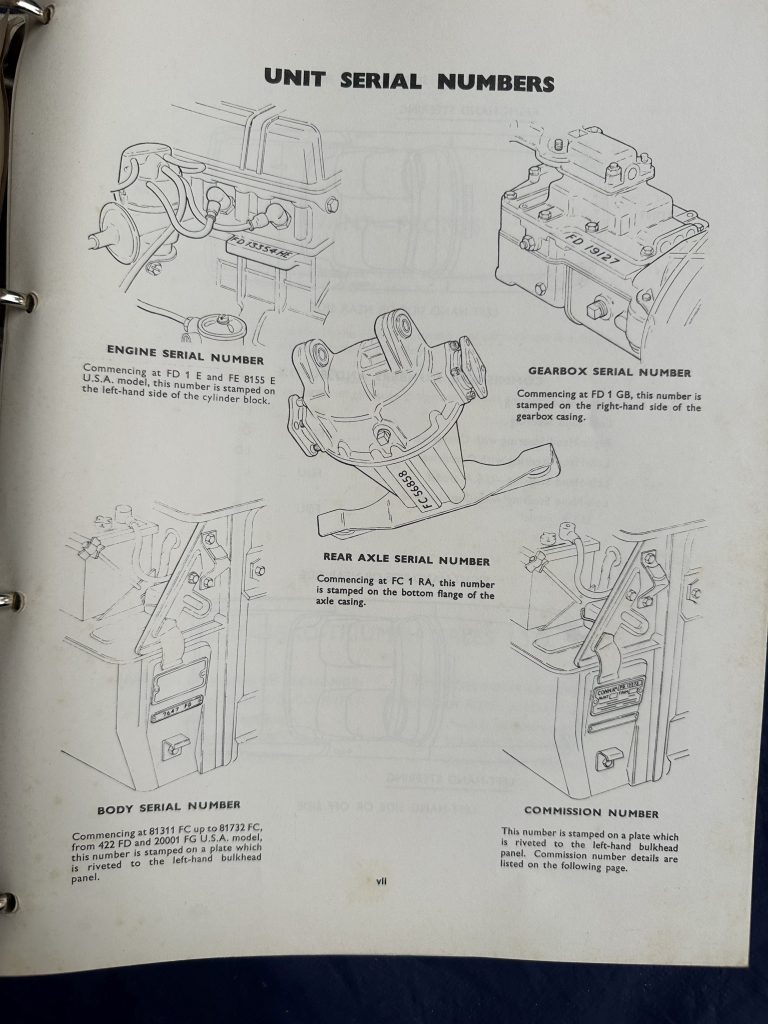
One of our favourite pages covers the various identification numbers on the car.
Rather than simply mentioning them, Triumph illustrated where to find the engine, gearbox, rear axle, body and commission numbers.
That matters more than you might initially think.
Classic cars have had engines changed, gearboxes swapped and components replaced throughout their lives.
Knowing what number you’re looking for, and where Triumph originally put it, can help enormously when researching a car or ordering the correct parts.
Current restoration catalogues still make exactly the same point: identifying the car and its major units correctly matters because parts changed during production and components may have been replaced over the years.
A Goldmine For A Spitfire Owner
We haven’t sat down and checked every page against every component Triumph ever fitted, so we won’t claim that literally every Mk3 Spitfire part is represented.
But it certainly feels remarkably comprehensive.
Engine.
Clutch.
Gearbox.
Propeller shaft.
Rear axle.
Suspension.
Steering.
Brakes.
Cooling.
Electrical equipment.
Bodywork.
Trim.
Accessories.
And plenty more besides.
For anyone maintaining or restoring one of these cars, it’s the sort of book you can imagine leaving permanently on the workshop bench.
Original examples also still change hands today.
If you fancy seeing what old Mk3 Spitfire parts books, workshop manuals and other literature are currently hiding on eBay, there’s usually plenty to rummage through under searches for Triumph Spitfire Mk3 parts catalogues and manuals.
Then There Are All The Actual Parts
The catalogue was only one part of what arrived with the car.
We’ve also got crates containing a mixture of Triumph Spitfire and MGB Roadster spares.
There are lamps, belts, gaskets, chrome pieces and numerous mechanical and trim parts, along with boxes and packets that clearly haven’t been disturbed for quite some time.
We’re deliberately not trying to identify every component from a photograph because old-car parts collections have a habit of becoming mixed together over the years.
That’s half the fun of sorting them.
Pick something up.
Turn it over.
Look for a casting number.
Find an old label.
Then work out what on earth it fits.
For anyone who enjoys exactly that sort of rummaging, eBay’s Triumph Spitfire Mk3 parts section can consume a surprising amount of time.
And because our collection also contains MGB bits, there’s another equally dangerous rabbit hole in the MGB Roadster parts listings.
Why We Like Cars That Come With Their History
There’s something particularly appealing about buying an old car together with all the material that has accumulated around it.
A car on its own tells you part of the story.
Add old invoices, manuals, spare parts, workshop notes, accessories and components removed years ago, and suddenly you begin to see much more of its life.
Sometimes the odd spare tucked away in a box can even answer questions later.
Why was something changed?
What specification was fitted?
Was the original component retained?
Which parts did the previous owner think were worth keeping?
That doesn’t mean every rusty bracket or half-used gasket is precious.
But we’re reluctant to throw old car parts away until we know what they are.
Once obscure original components disappear, they have an annoying habit of becoming exactly the thing somebody desperately needs five years later.
Clearing A Shed Full Of Classic Car Parts?
This is also why we’re always interested when somebody tells us they have more than just a car to sell.
Garages, sheds and workshops often contain decades of accumulated classic car spares, old workshop manuals, new old stock parts, dealer literature, signs, tools and boxes whose contents haven’t been properly investigated for years.
Sometimes they belong to somebody who has simply finished with the hobby.
Sometimes a family has inherited a garage full of parts and has no idea what any of it fits.
And sometimes an old car has gone years ago but all the spares are still sitting exactly where the owner left them.
If you’re clearing a garage, shed, workshop or collection and have old classic car parts, literature, new old stock or motoring memorabilia that you’re thinking of selling, please get in touch.
We’re particularly interested in complete collections and clearances, and things don’t need to be beautifully sorted or individually identified first.
A few photographs are normally enough for us to understand what sort of material is there.
Please don’t assume a pile of dusty old car parts is worthless simply because you don’t recognise what’s in the boxes.
Sometimes those boxes are the most interesting part.
Affiliate Disclosure
When you click on links to various merchants on this site and make a purchase, we may earn a commission. Our affiliate partnerships include, but are not limited to, the eBay Partner Network and Amazon.
Join our newsletter
Get the best barn finds, projects and classic temptations direct to your inbox.
Related Posts
Discover More Classic Car Stories
Stay updated with the latest barn finds, auction news, and classic car adventures in our 'News & Waffle' section. Dive into rare discoveries, behind-the-scenes stories, and expert insights into the world of classic cars. Whether you’re a seasoned enthusiast or simply intrigued by the tales behind these treasures, this is your hub for all things classic and captivating.
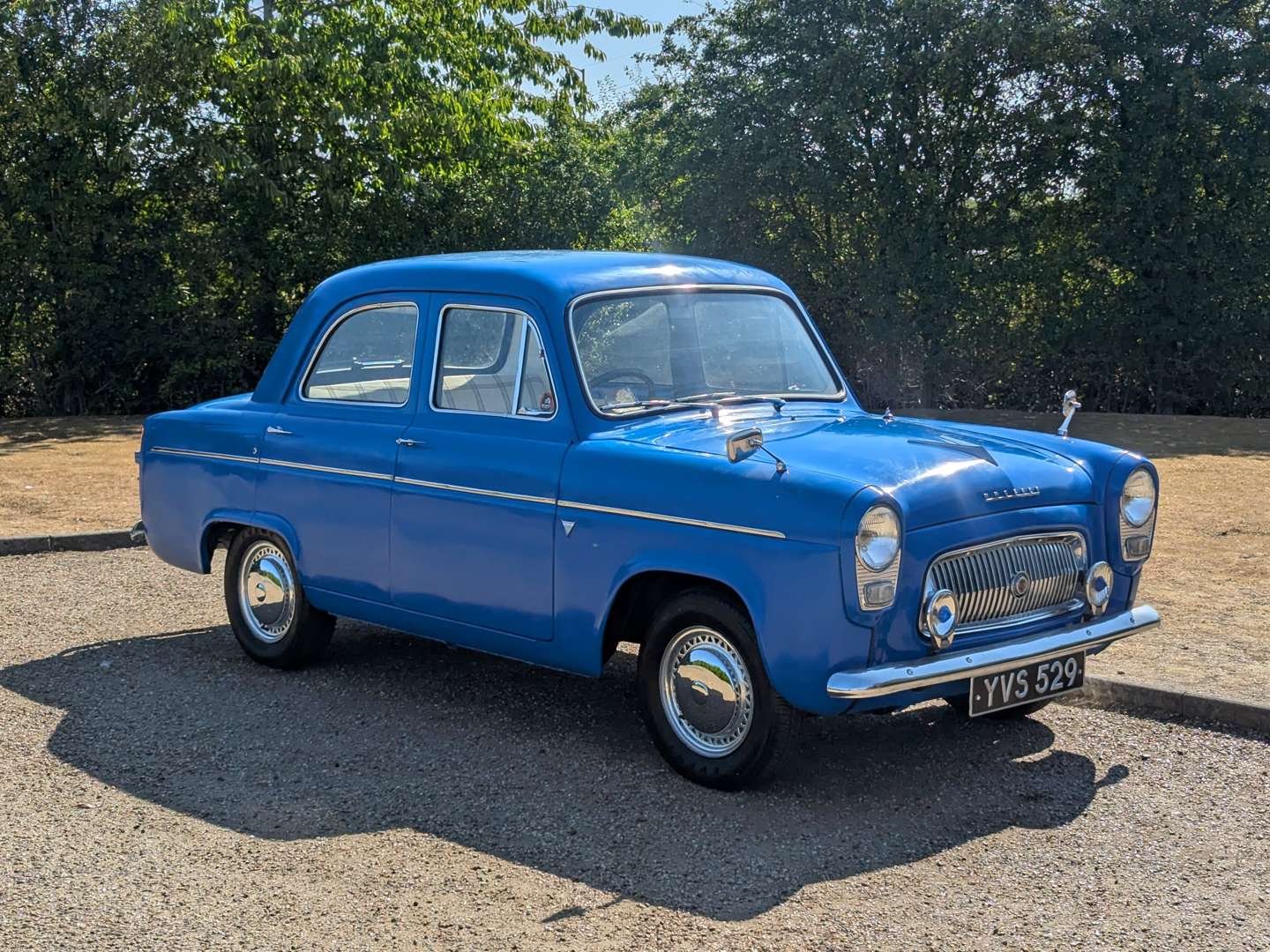
This Ford Prefect auction result left me asking one very simple question. Why didn’t I bid on it? This charming 1958 Ford Prefect came to Anglia Car Auctions with no reserve after its late owner had spent an extraordinary 22 years restoring it. By the time the car finally returned to the road in 2024, […]
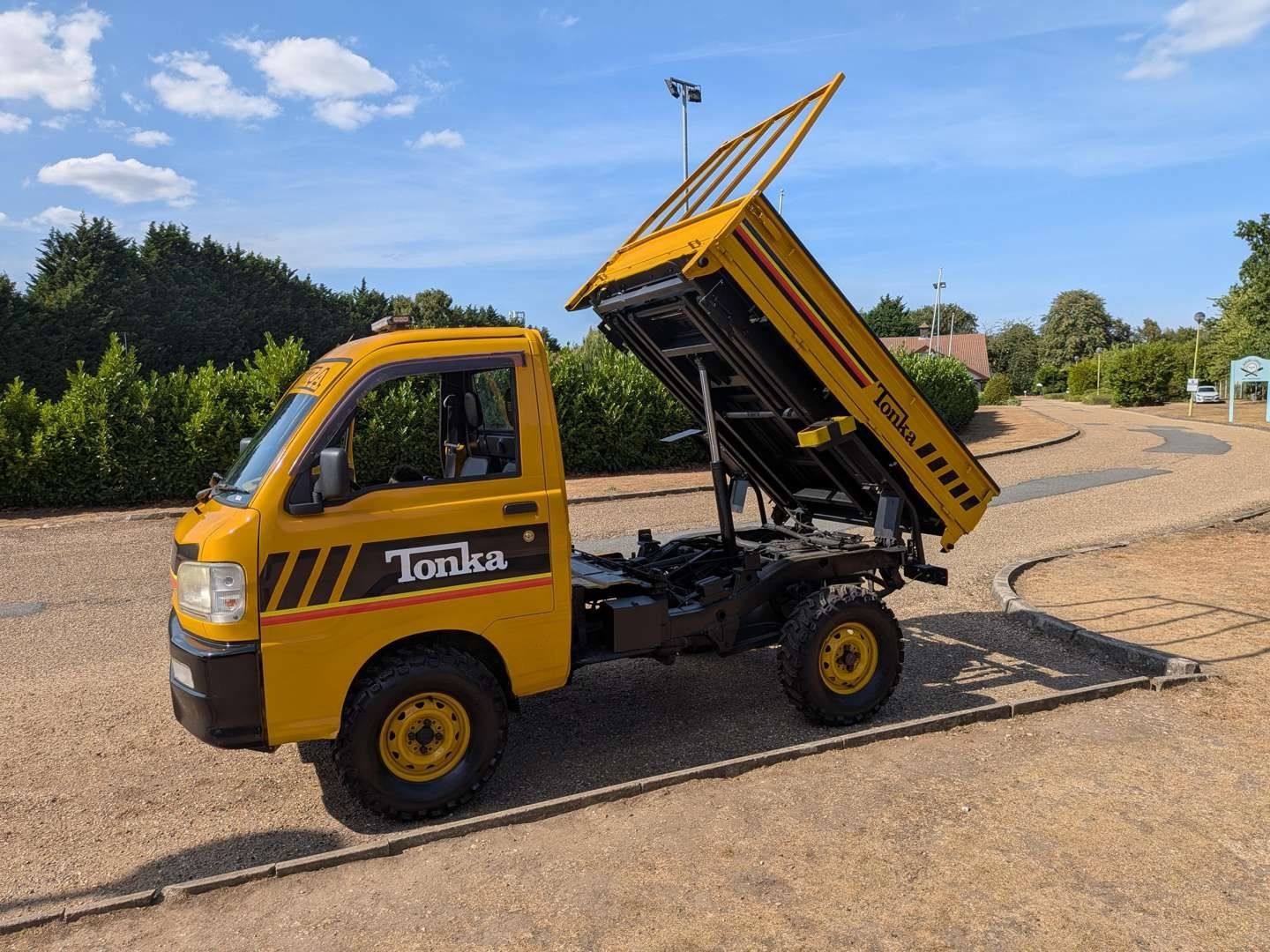
This Daihatsu Hi-Jet auction result genuinely surprised us. Not because we didn’t like it. Quite the opposite. We absolutely loved this tiny Japanese 4×4 when we spotted it at Anglia Car Auctions. But with a £9,000 to £11,000 estimate, we wondered whether its sheer quirkiness might make it a difficult thing to value. We were […]
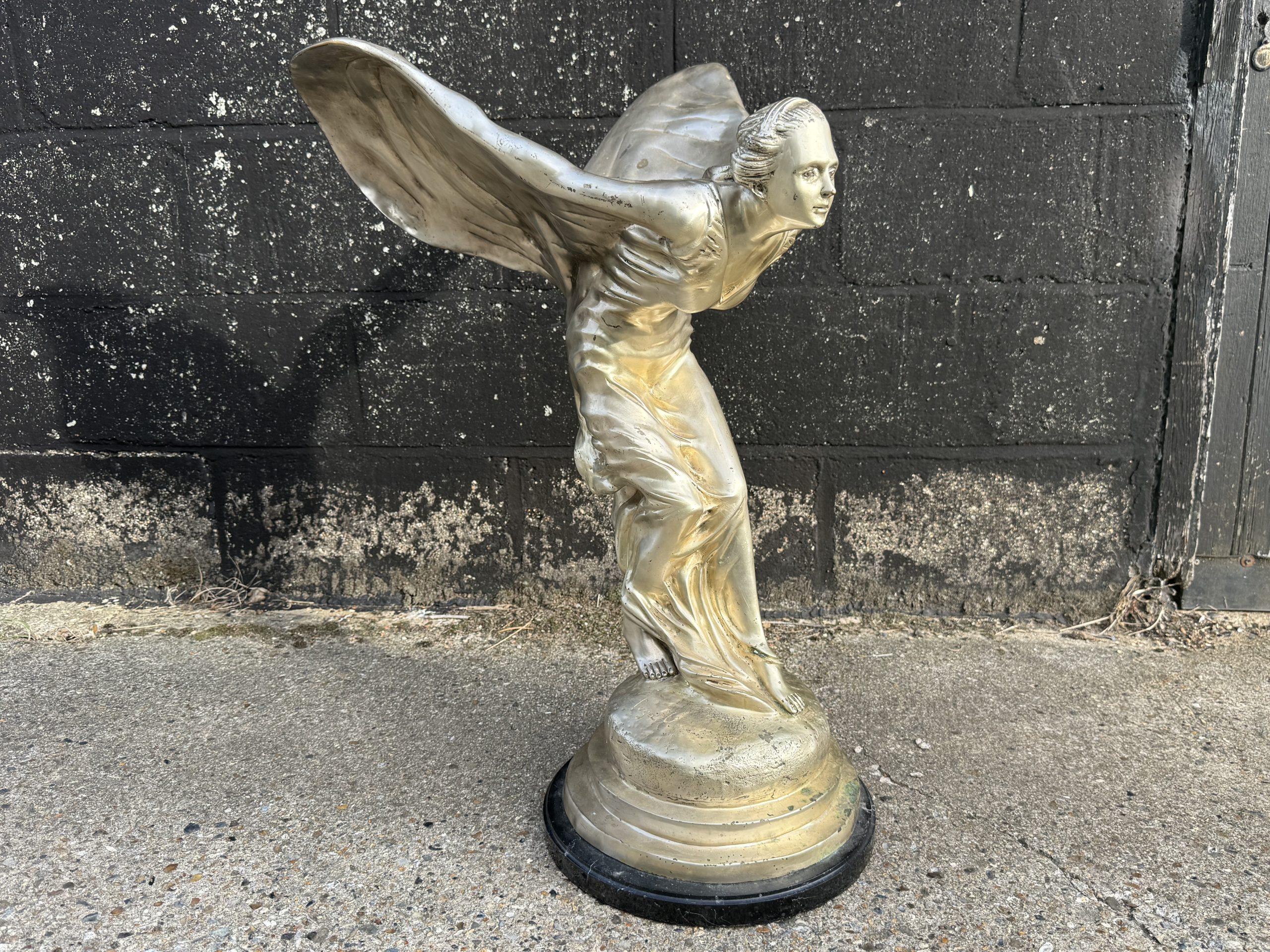
We buy some strange things. Usually they have wheels. This one doesn’t. Today’s purchase is probably one of the more unusual motoring-related objects we’ve brought home: an enormous reproduction of the Rolls-Royce Spirit of Ecstasy. It stands around 77cm tall, sits on a marble plinth and weighs an absolute ton. Well, perhaps ...